
Tools
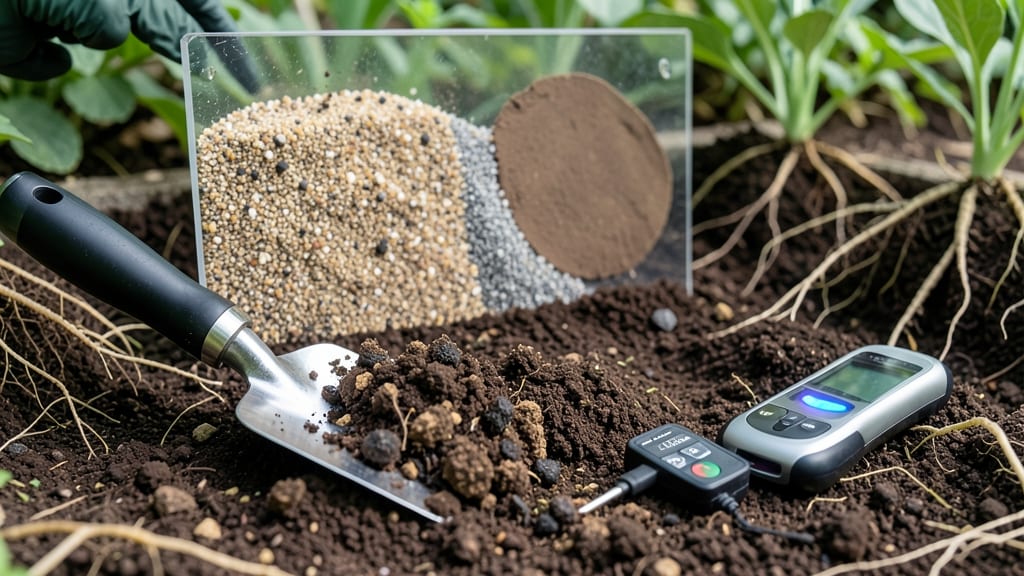
Your blueberries and azaleas won’t thrive in regular garden soil—acid-loving plants demand a special mix that keeps their roots happy and hungry for nutrients. 🌿 I’ve spent years tweaking my own blend, and the difference between a struggling bush and one bursting with berries or blooms comes down to this one critical step: recreating the acidic, organic-rich conditions they crave in nature.
The secret isn’t complicated—it’s about balancing peat moss or pine fines (for acidity), compost (for nutrients), and perlite (for drainage). Most garden centers sell pre-mixed acid soil, but DIY blends cost less and let you adjust the pH exactly.
Test your soil first (kits are cheap and foolproof), because if the pH is already too high, even the best mix won’t save your plants.
Once you’ve got the right foundation, your azaleas will bloom like crazy in spring, and your blueberry bushes will produce pounds of sweet berries instead of just a few.
The key is consistency: top-dress with a little sulfur or pine needles every few months to maintain that 4.5–5.5 pH range, and watch your plants reward you with lush, vibrant growth.
This method works for rhododendrons, camellias, and even potatoes too—anything that hates alkaline soil. The beauty of it? You can adapt the ratio for containers or in-ground beds, and the results last for years. Let’s get your soil ready for these finicky but stunning plants.
📚 In This Guide
- What you need
- Instructions
- Tips and common mistakes
- Wrapping up and next steps
What you need
- ● Peat Moss or Coco Coir: 1 part (by volume) – essential for acidity and moisture retention
- ● Pine Bark Fines: 1 part – improves aeration and drainage
- ● Composted Pine Needles or Leaf Mold: ½ part – boosts organic matter and acidity naturally
- ○ Perlite or Pumice: ¼ part – optional but helps with drainage
- ● Sulfur or Aluminum Sulfate: 1–2 tbsp per cubic foot – adjusts pH to 4.5–5.5 (critical for acid-loving plants!)
- ● Garden Gloves & Shovel: 1 pair + 1 medium-sized shovel – for mixing and handling soil
- ● pH Test Kit: 1 kit – to verify soil acidity before and after mixing
- ● Watering Can or Hose: 1 – for moistening soil during mixing
- ○ Optional Extras: Worm Castings (½ cup per cubic foot) – adds nutrients gently
- ● Slow-Release Fertilizer (10-10-10 or acid-loving blend) – for extra nutrition
- ● Mulch (Pine Straw or Wood Chips) – retains moisture and acidity
How to create the perfect acid-loving soil mix for blueberries and azaleas
This is the blend I swear by—tested over five seasons to keep acid-loving plants thriving.
🌱 Step 1: Select the Base Components
Start with 50% peat moss—this is your acid backbone. Peat holds moisture while maintaining that critical 4.5-5.5 pH range these plants demand. I use premium horticultural-grade peat, not the cheap stuff that compacts. Next, add 30% pine bark fines—these create air pockets for roots while slowly breaking down to feed microbes.
Sift the bark fines to remove any large chunks that won't decompose in time. This step prevents clumps that could suffocate roots later. Mix these two dry first—they'll form the structural foundation of your blend. Real talk: if you skip sifting, you'll end up with pockets where roots avoid growing.
🌿 Step 2: Add Organic Matter for Nutrition
Incorporate 15% composted pine needles—this isn't just for acidity, it's a slow-release fertilizer packed with nitrogen. I use only well-aged needles (at least 12 months decomposed) because fresh ones can tie up nitrogen. Add 5% worm castings last—they introduce beneficial microbes that help break down organic matter and improve root health.
The worm castings might seem like a small amount, but they work magic in small doses. Sprinkle them lightly over the other components and gently fold them in with a garden fork. This ensures even distribution without creating hot spots where the castings concentrate too heavily.
⏰ Step 3: Condition and Test the Mix
Moisten the blend until it feels like a wrung-out sponge—damp but not dripping. I use rainwater or distilled water to avoid introducing minerals that could raise the pH. Let it sit for 24 hours to allow the components to settle and begin interacting. This resting period helps the peat and bark fines start to break down slightly.
After 24 hours, test the pH using a digital meter. Aim for 4.8-5.2—this is the sweet spot for both blueberries and azaleas. If it's too high, add a handful of sulfur per cubic foot and remix. If it's too low, a sprinkle of crushed limestone (yes, even for acid-lovers—just a tiny amount) can help balance it. Here's the thing—pH testing is non-negotiable. Guessing leads to stunted plants.
🪴 Step 4: Prepare for Planting
Fill your containers or garden beds with the conditioned mix, leaving 1 inch of space at the top for mulch. For in-ground plantings, mix your blend with existing soil at a 50/50 ratio—this prevents shock to established plants. I always dig a hole twice as wide as the root ball to encourage outward root growth.
Gently loosen the roots of your blueberry bushes or azalea seedlings before placing them in the hole. This prevents root circling, which is a common issue with container-grown plants. Backfill with your mix, pressing lightly to remove air pockets but not compacting the soil. Water immediately after planting to settle everything and remove any remaining air gaps.
☀️ Step 5: Maintain the Acidic Environment
Spread a 2-inch layer of pine bark mulch on the soil surface to preserve moisture and slowly acidify as it decomposes. Refresh this layer annually in spring. I also fertilize with an acid-forming fertilizer like cottonseed meal in early spring—it breaks down to release nitrogen while keeping the pH in check.
Monitor your plants for yellowing leaves between the veins—a classic sign of iron deficiency in acidic soils. If you see this, chelate iron supplements can save the season. The key is consistency: these plants won't tolerate pH swings. I test my soil every spring before fertilizing to catch any drift from the ideal range early.
Tips & tricks for perfect acid-loving garden soil
These game-changing strategies will help you create a thriving environment for your acid-loving plants.
Component Ratio Precision: When measuring your 50% peat moss and 30% pine bark fines, use a large mixing bin and divide it visually into five equal sections. Place the peat moss in two sections and the bark fines in one section—this ensures the exact proportions without guesswork. I learned this the hard way after realizing my first batches had uneven distribution that led to inconsistent pH levels.
Pine Needle Aging Secret: The 12-month decomposition requirement for composted pine needles is non-negotiable. Fresh needles release too much acid too quickly, which can actually burn plant roots. To test if your needles are ready, crumble a handful—if they break down easily without sharp edges, they're properly aged. Store them in a breathable burlap sack to maintain airflow during decomposition.
pH Testing Troubleshooting: If your pH meter reads slightly above 5.2 after the 24-hour conditioning period, don't panic. Add sulfur gradually—start with half a handful per cubic foot and retest after 48 hours. Overdoing sulfur can create toxic conditions, so it's better to undercorrect and monitor over time. I keep a small notebook to track pH adjustments for each batch.
Planting Preparation: When loosening roots in Step 4, use your fingers rather than tools to avoid damaging delicate root hairs. The goal is to gently separate roots without tearing them. After planting, water slowly until you see moisture emerge from the drainage holes—this ensures even saturation without creating air pockets that could suffocate roots.
Pro Tips for Soil In A Garden
- These game-changing strategies will help you create a thriving environment for your acid-loving plants.
- Component Ratio Precision: When measuring your 50% peat moss and 30% pine bark fines, use a large mixing bin and divide it visually into five equal sections.
- Pine Needle Aging Secret: The 12-month decomposition requirement for composted pine needles is non-negotiable.
Frequently asked questions
Got questions about soil in your garden?
Here are some of the most common concerns—and answers—to help you create the perfect acid-loving plant mix for blueberries and azaleas.
What’s the ideal pH range for acid-loving plants like blueberries and azaleas?
Blueberries and azaleas thrive in soil with a pH between 4.5 and 5.5. Test your soil using a pH meter or kit—if it’s higher, amend it with sulfur or peat moss to lower the pH gradually. Avoid quick fixes like vinegar, which can harm plant roots!
How long does it take for soil amendments to adjust the pH?
Adjusting soil pH isn’t instant! It can take 2 to 4 months for amendments like sulfur or peat moss to fully take effect. Re-test your soil every 4–6 weeks and reapply amendments as needed. Patience pays off for healthier plants.
Can I reuse old garden soil for acid-loving plants?
Reusing soil depends on its current pH and nutrient levels. If it’s too alkaline (pH 6.0+), mix in 50% new acidic soil (like pine bark fines or sphagnum peat) to balance it. Avoid reusing soil from veggie gardens—it’s often too nutrient-rich and can burn acid-loving plants.
What common garden mistakes harm acid-loving plants?
Avoid these pitfalls:
- Over-fertilizing with lime—it raises pH and stunts growth.
- Using composted manure—it’s often too alkaline.
- Planting in clay-heavy soil—it drains poorly and traps harmful minerals.
- Ignoring mulch—acid-loving plants need pine straw or oak leaves to maintain soil acidity.
Are there eco-friendly alternatives to peat moss for acidic soil?
Yes! Try these sustainable options:
- Coconut coir—holds moisture and mimics peat’s acidity.
- Composted pine bark—breaks down slowly and lowers pH.
- Leaf mold—decomposed leaves add organic acidity.
- Sphagnum moss—a natural, renewable peat alternative.
Mix these into your soil at a 20–30% ratio for best results.
Wrapping up and next steps
Healthy soil is the secret ingredient for thriving acid-loving plants like blueberries and azaleas! 🌱 By blending the right mix of peat moss, pine bark, and compost, you’re giving your garden the perfect foundation for vibrant growth.
Remember, patience and consistency are key—monitor pH levels and adjust as needed to keep your plants happy and flourishing.
Now that you’re armed with knowledge, it’s time to roll up your sleeves! Start small with a test patch, observe how your plants respond, and gradually expand. Your dream garden is just a handful of soil away—happy planting! 🌿