Watering
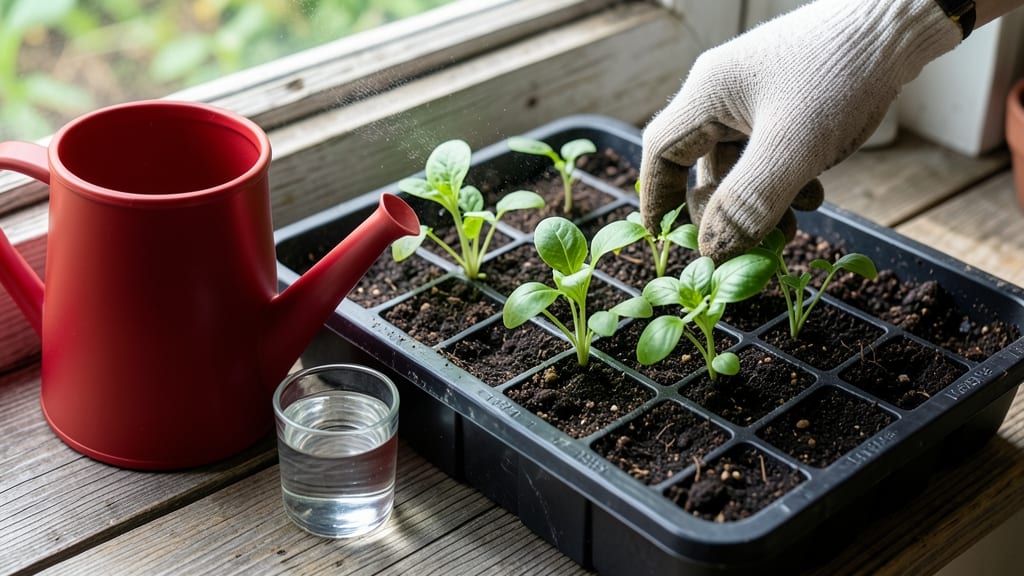
You should water soil before planting seeds to create optimal conditions for germination, as properly moistened soil helps seeds absorb water and break dormancy. Just ensure the soil is damp—not saturated—to prevent suffocating seeds or causing rot.
Moisture triggers the biochemical processes inside seeds that kickstart growth. When soil is too dry, seeds struggle to absorb enough water to activate enzymes and soften their outer shells. 💧 On the flip side, overwatering can drown seeds by cutting off oxygen or create anaerobic conditions that promote rot.
The key is striking a balance—think of it like giving seeds a cozy, damp blanket rather than a soggy swamp.
Timing matters too. Water the soil 24-48 hours before planting to let excess moisture drain while maintaining that ideal dampness. For heavy clay soils, you might need to water more frequently, while sandy soils dry out faster.
A simple test: squeeze a handful of soil—if it holds together but crumbles when you poke it, you're in the perfect moisture range.
💡 In This Article
- How Moisture Levels Affect Seed Germination
- Best Practices for Pre-Planting Soil Preparation
How moisture levels affect seed germination
Moisture acts as the spark that ignites germination by activating enzymes called amylases inside the seed. These enzymes break down stored starches into sugars, providing the energy needed for the radicle (the embryonic root) to emerge.
Without adequate moisture—typically 40-60% soil water content—seeds remain dormant, unable to metabolize and grow. For example, tiny seeds like lettuce or carrots need consistently damp soil because their small size means they absorb water more slowly than larger seeds like beans or squash.
The outer seed coat, often called the testa, acts like a protective barrier that softens when hydrated. This process, called imbibition, allows water to penetrate the seed's micropyle (a tiny opening) and trigger cellular expansion.
Think of it like a sponge absorbing water—once the seed reaches 50% of its dry weight in moisture, the biochemical reactions necessary for germination begin. However, if the soil is too dry, the seed coat remains rigid, blocking water intake and stalling growth.
Oxygen availability becomes critical once seeds start absorbing water. While moisture is essential, anaerobic conditions (where oxygen is scarce) can suffocate seeds, leading to rot. This is why well-draining soil is crucial—it allows excess water to seep away while maintaining that critical moisture level.
For instance, clay soils hold water tightly and can create waterlogged pockets, while sandy soils drain too quickly, requiring more frequent watering to sustain germination.
Different seeds have varying moisture requirements based on their origin. Seeds from arid climates, like cacti or desert plants, often need less moisture to germinate compared to tropical seeds, which thrive in consistently damp conditions.
For example, tomato seeds prefer soil that stays moist but not soggy, while basil seeds benefit from slightly higher humidity. Understanding your seed's native environment helps tailor the moisture approach.
Temperature also interacts with moisture to influence germination. Cooler temperatures slow water absorption, so seeds may need extra time to hydrate properly. In contrast, warm soil speeds up the process but can dry out faster, requiring more frequent checks.
A simple trick: cover seeds with a thin layer of peat moss or vermiculite to retain moisture without compacting the soil, creating an ideal microclimate for germination.
Visual cues can help gauge soil moisture. Press your finger 1-2 inches deep—if it feels damp like a wrung-out sponge but not dripping, you're in the sweet spot. For container gardens, weigh the pot: a 5-10% increase in weight after watering indicates proper moisture retention.
This method works especially well for seedlings, where overwatering can lead to damping-off disease, a fungal infection that attacks young stems.