
How To
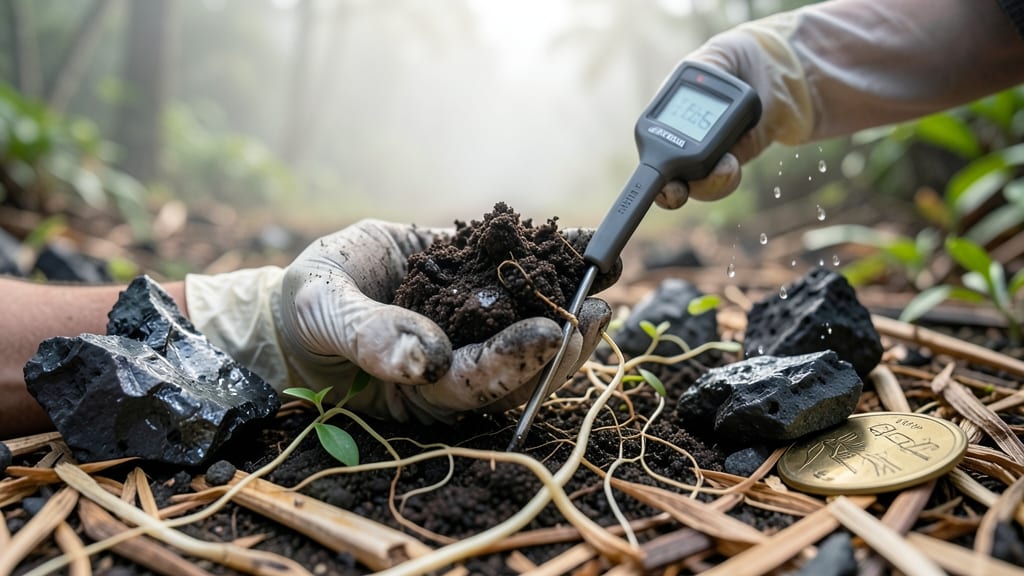
Understanding soil in Hawaii reveals its volcanic origins create mineral-rich but acidic terrain that demands special care for gardening success. This unique composition nurtures tropical plants but requires amendments like compost or lime to prevent erosion and maintain fertility.
Hawaii's volcanic soil forms through centuries of lava flows and weathering, creating a crumbly, mineral-packed foundation. 🌋 The high iron and potassium content makes it ideal for tropical plants like hibiscus and taro, but the acidic pH often needs balancing with organic matter.
Many gardeners swear by mixing in coconut coir or crushed limestone to improve structure and drainage.
What sets Hawaiian soil apart is its rapid erosion when exposed—rainfall can wash away nutrients quickly. That's why mulching and terracing are common practices here. I've found that native plants like ohia lehua thrive naturally, while non-native species may need extra phosphorus to compensate for the soil's natural deficiencies.
💡 In This Article
- How Hawaii’s Volcanic Soil Forms and Its Unique Properties
- Gardening Tips for Thriving Plants in Hawaiian Soil
How Hawaii’s volcanic soil forms and its unique properties
Hawaii's soil begins its life as molten lava that erupts from the island's active volcanoes like Kīlauea or Mauna Loa. When this lava cools and solidifies, it undergoes a process called weathering—where wind, rain, and microbial activity break it down into tiny particles over centuries.
The result is a soil called andisol, characterized by its dark, crumbly texture and high mineral content, particularly iron oxides (giving it a reddish-brown hue) and potassium from decomposed volcanic glass.
The mineral richness isn't the only standout feature—this soil also has a low organic matter content (often 1-3%) compared to continental soils (typically 5-10%). This lack of organic material makes it highly porous but also prone to rapid drying and erosion.
The pH typically ranges from 4.5 to 6.5, making it naturally acidic, which can lock out essential nutrients like phosphorus and nitrogen that plants need. 🌋 For comparison, ideal garden soil usually sits between 6.0 and 7.0 pH.
What makes Hawaiian soil uniquely challenging is its rapid nutrient leaching—the porous structure allows water to drain through quickly, washing away minerals before plants can absorb them. This is why local gardeners often observe that even well-established plants can show deficiencies if not regularly amended.
The soil's high iron content, while beneficial for some plants, can also create toxicity issues for others, like citrus trees, which prefer lower iron levels. This dual-edged nature explains why native plants like taro and hala pepe (Hawaiian sweet potato) have evolved to thrive here without additional care.
One fascinating aspect is how the soil's age varies dramatically across the islands. Younger lava flows (like those on the Big Island's east side) create ashy, glassy soil that's still breaking down, while older flows (like on Maui's west side) produce finer, more fertile topsoil.
This variation means gardeners in different regions need to adjust their approaches—what works in Hilo might fail in Waikiki without proper amendments. The key is understanding your specific soil's mineral profile and adjusting accordingly.
For those curious about the sensory experience, walking barefoot on Hawaiian soil reveals its gritty yet surprisingly soft texture—almost like fine sand mixed with tiny pebbles. The aroma after rain is distinctively earthy, with a hint of sulfur from volcanic gases still lingering in the upper layers.
This sensory profile is a direct result of the soil's volcanic origins and constant interaction with the tropical climate. 🌱
Understanding these properties helps explain why Hawaii's gardens often look so lush—when managed correctly, the soil's mineral richness fuels rapid plant growth. However, this same richness demands vigilance, as the soil's instability can quickly turn from a gardener's ally to their biggest challenge if left unchecked.