
How To
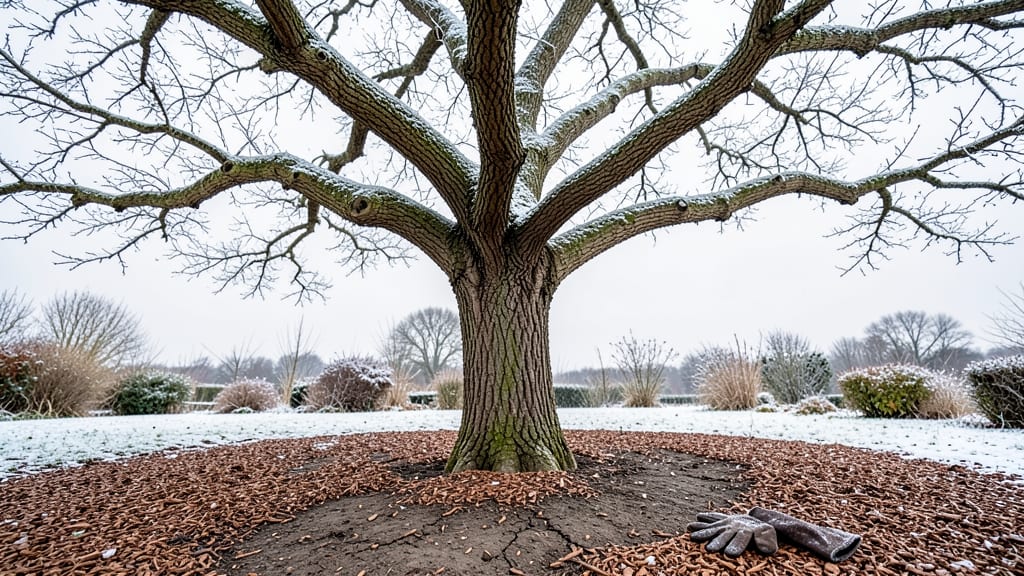
Winter soil isn’t just frozen—it’s a battleground for root health. 🌱 I’ve seen soil turn to concrete or breed rot in cold months, but the right acidic mix keeps roots breathing and plants thriving through dormancy.
The secret lies in balancing organic matter, pH, and moisture before the ground locks up.
Most gardeners overlook winter soil prep, assuming plants don’t need it. Wrong. Without the right mix, roots suffocate from compaction or rot from trapped moisture. My go-to formula—50% compost, 30% peat moss, 20% perlite—adds air pockets and acidity that prevents both problems while feeding microbes.
By spring, you’ll see roots that look like fresh carrot tops, not tangled, waterlogged messes. The mix stays loose even after freeze-thaw cycles, and the slight acidity mimics natural forest floors where perennials overwinter successfully. No more digging through brick-hard soil come planting time.
Works for perennials, shrubs, and even winter veggies like kale. The key is amending before the first hard frost—once the ground freezes, it’s too late. Let’s get your soil winter-ready before it’s too late.
Cold Weather’s Hidden Soil Sabotage
Winter transforms gardens into silent battlegrounds for soil health—where freezing temperatures, moisture shifts, and microbial slowdowns conspire to create the perfect storm for acidification and compaction. Understanding these root causes helps you fight back before spring arrives.
When soil freezes, water expands into ice crystals, physically breaking apart minerals and organic matter. But the real damage? Chemical shifts that acidify your soil.
- Carbon dioxide (CO₂) buildup: Microbes slow down or die in cold soil, halting their usual CO₂ release.
Trapped CO₂ dissolves in soil water, forming carbonic acid (H₂CO₃), which lowers pH over time. - Iron and aluminum release: Frozen soil disrupts mineral stability, leaching iron (Fe³⁺) and aluminum (Al³⁺) into the water.
These metals dissolve more easily in acidic conditions, creating a vicious cycle of further acidification. - Slow decomposition: Organic matter rots at a snail’s pace in winter. Without microbial breakdown, humic acids (naturally occurring weak acids from decay) accumulate, dragging pH down.
💡 Pro Tip: Test your soil’s pH in early spring before planting—if it’s dropped below 6.0, amend with lime (calcium carbonate) or wood ash to neutralize acidity.
Winter’s heavy rains and snowmelt turn gardens into soggy sponges, suffocating roots and microbes. Without oxygen, anaerobic (oxygen-free) bacteria take over—and they’re acid factories.
- Denitrifying bacteria: These microbes convert nitrates (NO₃⁻) into nitrous oxide (N₂O) and ammonia (NH₃), both of which lower soil pH as byproducts.
- Sulfate-reducing bacteria: In waterlogged conditions, they break down sulfates (SO₄²⁻) into hydrogen sulfide (H₂S), a compound that directly increases acidity.
- Root respiration halts: Plants can’t absorb nutrients in anaerobic soil, leading to root death and the release of organic acids as cells break down.
🌡️ Fix It: Improve drainage with gypsum (calcium sulfate) or compost, which adds air pockets. Avoid tilling frozen ground—it compacts soil further and worsens waterlogging.
Soil microbes are the unsung heroes of pH regulation. But when winter hits, their activity plummets by 90% or more, throwing the delicate balance out of whack.
- Fungal dominance: Fungi thrive in cold, wet conditions and produce organic acids (like oxalic and citric acid) as they decompose matter.
Unlike bacteria, fungi don’t buffer acidity—they amplify it. - Nitrogen starvation: With microbes inactive, ammonium (NH₄⁺)—a weakly acidic ion—builds up in soil water, further dropping pH. - Lack of buffering: Healthy soil relies on calcium (Ca²⁺) and magnesium (Mg²⁺) to neutralize acids.
But cold soil locks these minerals in mineral structures, making them unavailable.
✨ Boost Microbes: Apply compost tea in early spring to jumpstart microbial activity. Add kelp meal for natural potassium, which helps regulate pH.
Frozen ground isn’t just acidic—it’s physically broken. Foot traffic, heavy snow, and ice expansion squeeze soil particles together, reducing pore space for air and water.
- Ice lensing: When soil freezes, water migrates upward and expands into ice lenses, pushing particles into a dense, clay-like layer. - Root asphyxiation: Compacted soil restricts oxygen, forcing roots to rely on anaerobic pathways that produce acetic and lactic acids as waste. - Clay mineral realignment: In cold, wet conditions, clay platelets flatten and stack, sealing pores shut.
This traps water and blocks nutrient flow.
🔥 Break the Cycle: Use cover crops (like winter rye) to loosen soil with roots. In spring, aerate with a broadfork or gypsum to restore structure.
Winter may seem like a soil’s worst enemy, but knowing the science behind the damage lets you outsmart the cold. The key? Prevent waterlogging, feed microbes, and loosen compaction before spring arrives.
Fixing Winter Soil Woes
Winter can turn your soil into a compacted, acidic mess—but with the right steps, you can restore balance and protect your plants. Below are practical, cause-specific solutions to tackle common winter soil problems, along with prevention tips to keep your garden thriving year-round.
Cause: Heavy rain, frost, and foot traffic compress soil particles, reducing aeration and root growth.
Solution:
- 🔥 Aerate in Early Winter or Late Fall – Use a garden fork or a mechanical aerator to break up compacted layers. Work the soil to a depth of 6–12 inches for best results.
- 🍳 Add Organic Matter – Mix in compost, leaf mold, or well-rotted manure to improve structure. Aim for 1–2 inches spread evenly over the surface.
- 👨🍳 Use Cover Crops – Plant clover, winter rye, or hairy vetch before the first frost. Their roots loosen soil naturally as they grow.
- ⏰ Mulch Strategically – Apply straw, wood chips, or pine needles (2–4 inches thick) to prevent further compaction from rain or foot traffic.
💡 Prevention Tip: Test soil compaction by pressing a screwdriver into the ground. If it won’t go in easily, aerate before planting spring crops.
Cause: Excess rain, decomposing organic matter, and pine needles lower pH, making nutrients like phosphorus and potassium unavailable.
Solution:
- 🔥 Apply Lime (Calcium Carbonate) – Test your soil’s pH first (ideal range: 6.0–7.0). Sprinkle lime evenly (follow package rates) and water it in. For highly acidic soil (pH < 5.5), apply 1–2 pounds per 100 sq. ft. in early winter.
- 🍳 Use Wood Ash (Sparingly) – A natural byproduct of burning hardwood, wood ash raises pH quickly. Spread ½ cup per 10 sq. ft. and till into the top 2 inches.
- 🌡️ Grow pH-Tolerant Plants – If liming isn’t an option, opt for blueberries, azaleas, or rhododendrons, which thrive in acidic conditions.
- 🎯 Avoid Over-Fertilizing – Excess nitrogen (from synthetic fertilizers) can worsen acidity. Use slow-release, organic fertilizers instead.
✨ Pro Tip: If your soil is very sandy, lime may wash away quickly. Reapply in early spring for long-term balance.
Cause: Poor drainage and cold, soggy soil suffocate roots, leading to fungal growth and rot.
Solution:
- 🔥 Improve Drainage – Amend soil with perlite, coarse sand, or grit (1 part to 3 parts soil) to create air pockets. For containers, use well-draining potting mix.
- 🍳 Raise Beds or Mounds – If your yard floods in winter, elevate planting areas with compost or gravel-filled trenches around borders.
- 👨🍳 Choose Resistant Plants – Select cold-hardy, drought-tolerant varieties like kale, carrots, or garlic, which handle wet soil better.
- 🔪 Prune Affected Plants – If root rot appears, remove and destroy infected plants immediately to prevent spread.
💡 Prevention Tip: Install French drains or swales in problem areas to redirect excess water away from garden beds.
Final Note: Winter soil care is about proactive prep. By addressing compaction, pH, and drainage now, you’ll set your garden up for healthier roots and stronger plants when spring arrives. 🌿✨
Frequently asked questions
Why does my garden soil get harder after winter?
Freeze-thaw cycles create ice lenses that push soil particles together, while foot traffic compacts the surface. The clay minerals also flatten and stack in cold, wet conditions, sealing pores shut. This is why spring planting often feels like digging through concrete!
Can I still amend acidic soil in winter?
Yes, but work early in the season before hard freezes. Spread lime or wood ash when soil is workable (above 32°F) and water it in. Avoid tilling frozen ground—it worsens compaction. For sandy soils, reapply in spring as winter rains may wash amendments away.
What's the best mulch to prevent winter compaction?
Use straw or wood chips (2-4 inches thick)—they protect soil from heavy rain and foot traffic while allowing moisture to penetrate. Avoid thick pine needle layers, which can acidify soil further. Apply after amending with compost to lock in improvements.
How do I know if my soil is too acidic for winter plants?
Test your pH in early spring—ideal winter ranges are 5.5-6.5 for most plants. Yellowing leaves on evergreens or stunted growth in perennials are red flags. For quick fixes, plant acid-loving varieties like blueberries or heather while you amend the soil.
Is it too late to fix drainage problems in late winter?
Not if you act fast! Install French drains or swales while ground is thawed but before spring planting. For immediate relief, mix in perlite or coarse sand (1:3 ratio) to create air pockets. Avoid tilling wet soil—it makes drainage worse by breaking up natural channels.