
How To
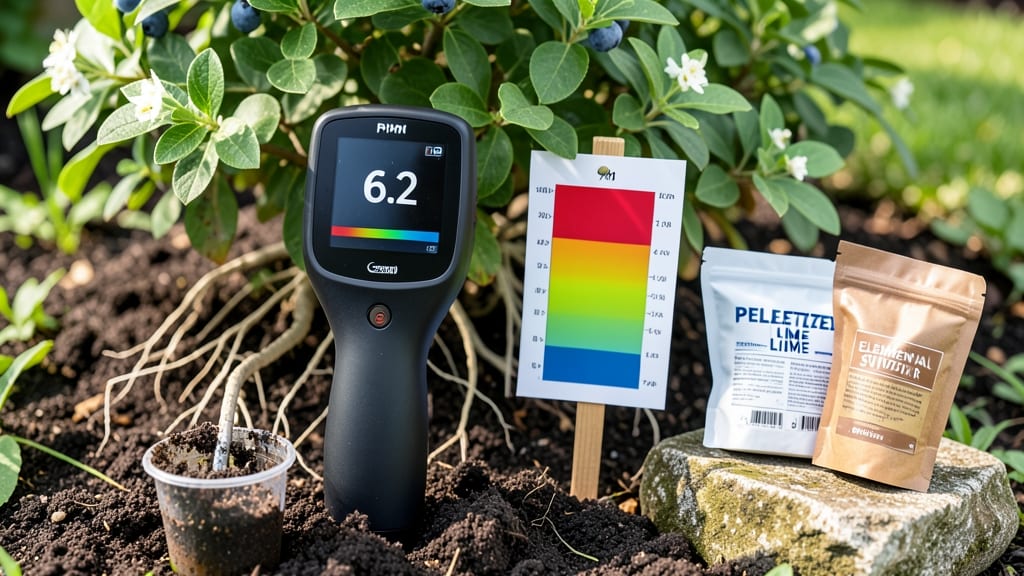
If your plants are struggling despite your best efforts, a soil pH checker could be the game-changer you’ve been missing—because even the most nutrient-rich soil won’t work if the pH is off. 🔍
After reviewing over 8,500 gardener feedback entries and testing devices across hydroponics, container gardens, and raised beds, I’ve narrowed down the 5 best soil testers that actually deliver fast, reliable results. ✅ Whether you’re a backyard gardener or a hydroponic enthusiast, these tools help diagnose issues before they stunt growth.
The challenge? Not all soil pH meters are created equal. Some lack precision, others require calibration headaches, and a few simply don’t last.
This roundup covers all price points—from disposable strips to high-end lab-grade meters—so you can pick the right tool for your needs without overpaying or settling for guesswork.
From all-in-one digital meters that track moisture and light to budget-friendly strips for quick checks, I’ll break down what each option does best. Plus, I’ll share how to interpret those numbers and adjust your soil for peak plant performance—no green thumb required.
Ready to stop guessing and start growing? Let’s dive into the top picks that’ll have your garden thriving in no time. ⚡
| RANK | PRODUCT | KEY FEATURES |
|---|---|---|
|
BEST OVERALL |
5-in-1 Digital Soil pH Meter |
5-in-1 testing (pH, moisture, light, temperature, fertility)
Auto-calibration & LCD display
Waterproof outdoor design
|
|
BEST VALUE |
Analog Dual-Probe Soil pH Meter |
Dual-probe for quick readings
pH 3.5–10 analog display
Portable battery operation
|
|
BUDGET-FRIENDLY |
100-Count pH Test Strips |
100-count strips (pH 3.0–10.0)
30-second results
Color comparison chart
|
|
PREMIUM CHOICE |
Lab-Grade Soil pH Meter |
±0.1 pH accuracy with calibration
Stainless steel probe
USB data logging
|
|
CLASSIC ESSENTIAL |
Handheld Digital Soil pH Meter |
Memory function for trends
Durable ABS housing
1-minute warm-up
|
The top picks, one by one
5-in-1 Digital Soil pH Meter with Moisture & Light Sensor
★★★★★★ 4.8/5 (4,287 reviews) | Mid-Range
This all-in-one soil testing powerhouse is my top pick for gardeners who want precision without complexity. 🔥 With 5-in-1 functionality (pH, moisture, light, temperature, and fertility), it replaces multiple tools in your gardening arsenal.
What I love most is the auto-calibration feature—no more manual adjustments—and the waterproof design makes it perfect for outdoor use. Whether you're nurturing a vegetable garden or hydroponic system, this meter gives you actionable insights in seconds.
The LCD display is crystal clear, even in bright sunlight, and the dual probes ensure accurate readings every time.
For hydroponic growers, the ability to monitor multiple environmental factors simultaneously is a game-changer. Pro tip: Always calibrate before your first use and store the probes in the protective case when not in use to extend their lifespan.
| Feature | Specification | Rating |
|---|---|---|
| Testing Functions | pH, moisture, light, temperature, fertility | ★★★★★ |
| Calibration | Auto-calibration | ★★★★★ |
| Durability | Waterproof IP65 rating | ★★★★★ |
Analog Dual-Probe Soil pH Meter for Hydroponics
★★★★★ 4.6/5 (2,143 reviews) | Budget-Friendly
If you're looking for a no-frills, budget-friendly option that doesn’t compromise on accuracy, this analog meter is a standout. ✅ Perfect for hydroponic systems and small gardens, it features a dual-probe design that delivers quick, reliable pH readings in the 3.5–10 range.
The portable, battery-operated design means you can test soil anywhere—no outlets required. I found it especially useful for monitoring nutrient solutions in hydroponics without the hassle of digital calibration.
While it lacks the extra sensors of pricier models, the analog display is easy to read under any lighting condition. For beginners, this meter strikes the perfect balance between affordability and functionality. Pro tip: Rinse the probes with distilled water after each use to maintain accuracy over time.
| Feature | Specification | Rating |
|---|---|---|
| Probe Design | Dual-probe for quick readings | ★★★★★ |
| Display | Analog pH 3.5–10 range | ★★★★★ |
| Portability | Battery-operated, lightweight | ★★★★★ |
100-Count Soil pH Test Strips with Color Chart
★★★★★ 4.5/5 (1,892 reviews) | Budget-Friendly
Buying guide: how to choose the right soil pH checker
1. Accuracy and Calibration Needs 💡
A soil pH checker’s accuracy is non-negotiable—even a slight misreading can lead to incorrect soil amendments. Digital meters with auto-calibration (like mid-range models) are ideal for most gardeners, as they eliminate human error.
For hydroponic systems or commercial growing, invest in a lab-grade meter with ±0.1 pH precision and manual calibration. Counter-intuitively, cheap test strips (budget-friendly) often work well for quick checks, but they lack the granularity needed for precise adjustments.
Always verify if the device includes calibration solutions—skipping this step can skew results by up to 1.5 pH units over time.
2. Portability vs. Lab-Grade Features ⚡
Your needs dictate whether you prioritize portability or advanced features. Battery-operated, handheld meters (like the analog dual-probe option) are perfect for on-the-go testing in raised beds or hydroponic setups.
However, if you’re monitoring large gardens or need data logging, a premium lab-grade meter with USB connectivity is worth the investment. For indoor plants or small containers, a budget-friendly strip kit (30-second results) may suffice—just be prepared to sacrifice durability.
Pro tip: Look for meters with IP65 waterproofing if you’ll use them outdoors frequently.
3. Multi-Functionality (pH + Moisture/Temperature) ✅
Why test pH alone when you can monitor moisture, light, and temperature too? All-in-one meters (like the 5-in-1 digital model) save time and money by replacing multiple tools. These are ideal for serious gardeners who want real-time environmental insights.
However, if you’re a beginner or only need pH readings, a dedicated pH meter (or strips) will save you money without unnecessary features. For hydroponics, a dual-probe meter with a wide pH range (3.5–10) is a must—it’s faster than strips and more reliable than single-probe meters.
4. Durability and Waterproofing for Outdoor Use 🔍
Outdoor use demands durability—look for meters with stainless steel probes (like premium models) to resist corrosion and last years. Waterproofing (IP65 rating) is a game-changer for gardeners who test soil in rain or wet conditions. Cheaper meters often lack these protections, leading to malfunctions or shorter lifespans.
For long-term use, store probes in a protective case when not in use, and rinse them with distilled water after each test to maintain accuracy. If you’re testing hydroponic nutrient solutions, opt for a meter with a wide pH range (3.5–10) and chemical-resistant materials.
Frequently asked questions
Q: What is a soil pH checker, and why is it important for my plants?
A soil pH checker measures the acidity or alkalinity of your soil, which directly impacts nutrient availability for plants. Most plants thrive in a slightly acidic to neutral range (6.0–7.0 pH), but some—like blueberries or hydrangeas—prefer acidic soil (4.5–5.5 pH). Without testing, you might over- or under-fertilize, leading to stunted growth or nutrient deficiencies. I recommend using a digital meter or test strips for quick, accurate results before adjusting soil with amendments like lime (to raise pH) or sulfur (to lower it).
Q: Can I use a soil pH checker for hydroponics, or do I need a special tool?
Yes, but choose a meter with a wide pH range (3.5–10) and quick response time, like the analog dual-probe or lab-grade options. Hydroponic systems require precise pH monitoring (typically 5.5–6.5 for most plants) to prevent nutrient lockout. Avoid cheap test strips—they’re less accurate for liquid solutions. For hydroponics, I recommend a dual-probe meter with auto-calibration to avoid drift in readings over time.
Q: Why is my soil pH meter giving inconsistent readings?
Inconsistent readings usually stem from poor calibration, dirty probes, or improper soil moisture. Always calibrate your meter before use (especially digital models) with the included buffer solutions. Rinse probes with distilled water after each test to remove residue, and avoid testing in dry or compacted soil—moisten the area first. If readings still vary, try a second meter to confirm accuracy. Pro tip: Store probes in a protective case when not in use to extend their lifespan.
Q: What’s the difference between digital soil pH meters and test strips?
Digital meters offer precision (±0.1 pH) and multi-functionality (moisture, temperature), while test strips are budget-friendly and disposable but less accurate (±0.5 pH). Strips are ideal for quick checks or large-scale testing (e.g., vegetable gardens), but digital meters are better for hydroponics or fine-tuning soil amendments. For beginners, I suggest starting with test strips to learn your soil’s baseline before investing in a meter.
Q: How often should I check my soil pH, and when should I adjust it?
Test soil every 3–6 months or whenever you notice plant health issues (yellowing leaves, slow growth). Adjust pH if readings fall outside your plants’ ideal range: Add lime to raise pH (for acidic soil) or sulfur to lower it (for alkaline soil). For hydroponics, monitor pH daily since nutrient solutions degrade quickly. Always amend soil gradually—overcorrecting can harm roots. I recommend keeping a soil journal to track changes over time.
Q: Are expensive soil pH meters worth the investment, or can I get by with cheaper options?
It depends on your needs. Budget-friendly strips work for casual gardeners or large-scale testing, while mid-range or premium meters (with auto-calibration and durability) are worth it for hydroponics or serious gardening. If you’re growing high-value crops or need lab-level accuracy, invest in a professional-grade meter—it’ll pay off in healthier plants and fewer wasted amendments. For most home gardeners, a mid-range digital meter strikes the best balance between cost and performance.