
Propagation
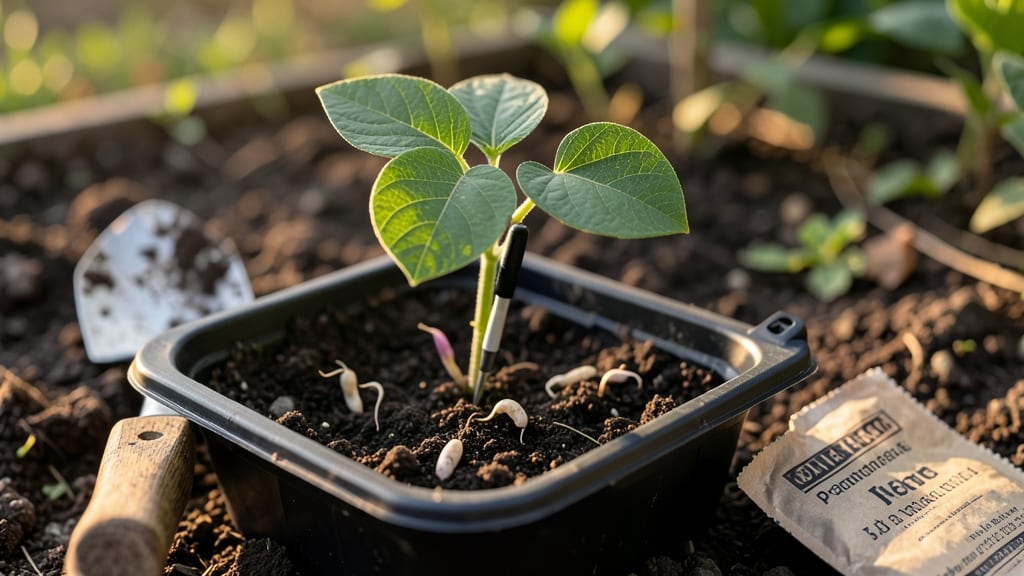
Getting your bean seeds to sprout depends on the soil temperature for bean germination—aim for 60–85°F (15–29°C)—because even the best seeds won’t break ground if the ground is too cold or too hot.
Struggling to get your bean seeds to sprout? The secret might be hiding in your soil temperature—getting it wrong can mean the difference between a thriving garden and wasted seeds.
Beans 🌱 thrive when soil warmth aligns with their natural growing rhythm, but cooler climates or late springs can throw off timing. Too cold, and seeds rot; too hot, and they dry out before germinating. Here’s how to check, adjust, and optimize your soil for the fastest, most reliable sprouts.
We’ll cover the ideal ranges by bean type, how to test soil temperature without fancy tools, and smart adjustments for early or late planting—so you can finally turn those seeds into a bountiful harvest.
Ideal soil temperature ranges for bean germination by variety
Getting your bean seeds to sprout reliably starts with understanding the soil temperature requirements for each variety. Unlike some plants that tolerate wide temperature swings, beans are highly sensitive to soil warmth. Planting too early in cold soil can leave seeds dormant for weeks—or worse, cause them to rot.
Meanwhile, soil that's too hot can speed up germination too quickly, leading to weak seedlings. Let's break down the optimal soil temperatures for the most popular bean varieties and how to measure your soil's readiness accurately.
Most bean seeds need soil temperatures between 60–85°F (15–29°C) to germinate successfully. However, not all varieties thrive at the same end of this range. For example, lima beans prefer the warmer side, while pole beans can handle slightly cooler conditions.
Understanding these nuances helps you time your planting for the fastest, healthiest starts. Below, we'll explore the ideal ranges by variety and share my foolproof method for testing soil temperature before planting.
| Bean Variety | Ideal Germination Temp (°F/°C) | Germination Time | Best Planting Time | Notes |
|---|---|---|---|---|
| Kidney Beans | 70–85°F (21–29°C) | 7–14 days | After last frost | Sensitive to cold soil |
| Pinto Beans | 65–80°F (18–27°C) | 5–10 days | Early spring/summer | Tolerates slight coolness |
| Black Beans | 75–85°F (24–29°C) | 10–14 days | Late spring | Needs consistent warmth |
| Lima Beans | 70–90°F (21–32°C) | 14–21 days | Summer only | Hates cold soil |
| Pole Beans | 60–75°F (15–24°C) | 6–12 days | Early to mid-spring | Most cold-tolerant |
Pole beans are the most cold-tolerant variety, germinating well even at 60°F (15°C), which makes them ideal for early spring planting in cooler climates. Meanwhile, lima beans demand the warmest soil, often requiring soil temperatures above 70°F (21°C) to avoid slow or failed germination.
If you're planting in zones with unpredictable spring weather, pole beans are my top recommendation for beginners—they're forgiving and productive.
Measuring soil temperature accurately is simpler than you might think. Grab a soil thermometer (they're inexpensive and available at garden centers) and insert the probe about 2 inches deep, which is where most seeds will be planted.
Check the temperature on a shady day between 10 AM and 2 PM for the most reliable reading. Soil temperatures can fluctuate wildly between morning and afternoon, so timing matters!
If your soil is below the ideal range, don't rush—waiting a few days or even a week can make the difference between success and failure.
For regions with short growing seasons, like the Pacific Northwest or northern New England, I recommend using black plastic mulch or row covers to warm the soil faster. These tools can raise soil temperatures by 5–10°F (3–6°C), giving you a head start on the season.
In warmer climates, like the Deep South, you might need to shade your soil temporarily to prevent it from overheating, which can cause seeds to germinate too quickly and become leggy or weak.
One common mistake I see is assuming that air temperature and soil temperature are the same. They're not! Soil stays cooler than the air, especially in early spring. For example, a 60°F (15°C) air temperature might correspond to 50°F (10°C) soil temperature—too cold
How to adjust soil temperature for faster bean germination
Cold soil can stall bean germination, leaving you staring at unbroken seed coats for weeks. The ideal soil temperature for beans sits between 60–85°F (15–29°C), but early spring or late fall often delivers cooler conditions.
Even a 10°F drop can delay sprouting by 3–5 days. The good news? Simple adjustments can transform your soil into a seed-friendly environment.
If your thermometer reads below 60°F (15°C), don’t wait for nature to warm up—act now. Whether you’re dealing with late frosts or shady spots, these proven methods will kickstart germination without risking your seeds.
For warm climates where soil overheats, we’ll also cover cooling strategies to prevent seed rot or stunted growth.
- 1 Use row covers for 5–10°F warmth. Lightweight fabric traps heat while allowing sunlight—perfect for early spring planting. Secure edges with soil or bricks to prevent wind damage.
- 2 Lay black plastic mulch 2–3 weeks before planting. It absorbs sunlight, raising soil temps by 10–15°F. Poke holes for seeds or use biodegradable seed tape to avoid disturbing the mulch.
- 3 Try heat mats for containers or cold frames. Electric mats (set to 70–75°F) are ideal for indoor starts or greenhouse setups. Unplug once soil reaches 60°F to avoid overheating.
- 4 Plant in raised beds filled with compost. Organic matter warms faster than clay soil. Mix in aged manure or leaf mold to boost heat retention naturally.
- 5 For hot climates, shade soil with straw mulch or white plastic. This prevents temps from exceeding 85°F (29°C), which can cause seed rot or weak sprouts.
If your beans still refuse to sprout after adjusting temperature, check for moisture issues. Soil should feel like a wrung-out sponge—not soggy or bone-dry. For stubborn cases, soak seeds overnight in lukewarm water before planting to jumpstart metabolism.
Pro tip: Monitor soil temps with a digital thermometer (inserted 2 inches deep). Aim for 70–75°F (21–24°C) for fastest germination. In Zone 5 or colder, combine row covers + black plastic for a 20°F boost—your seeds will thank you!
Remember, consistency is key. Fluctuating temps (like day-night swings) confuse seeds. Use these methods to create a stable environment, and you’ll see sprouts in 5–7 days instead of weeks. Happy planting! 🌱