
How To
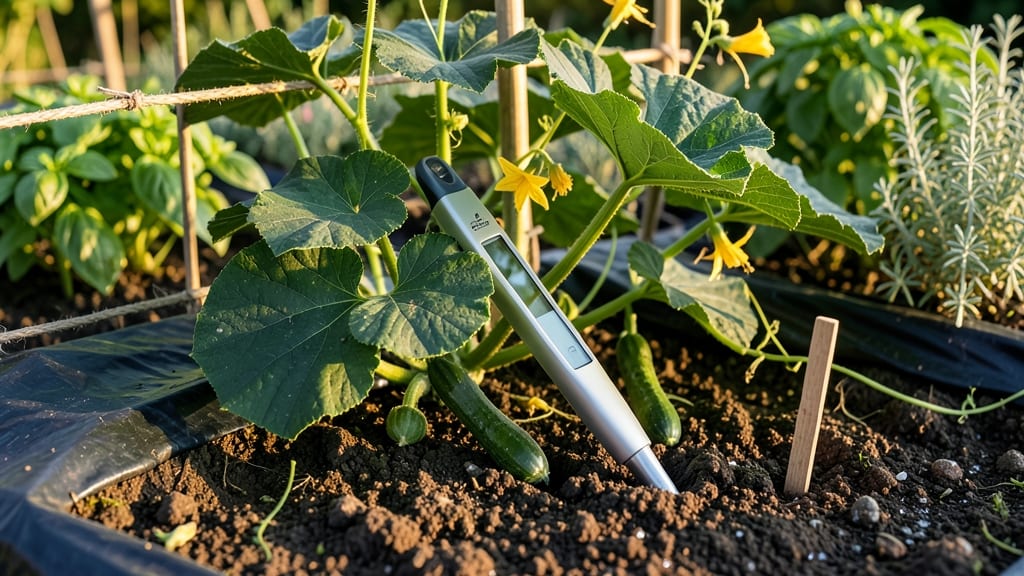
Your cucumbers won’t even think about sprouting until the soil temperature for cucumbers hits 60°F—and that’s where most gardeners go wrong. 🌱 I’ve watched seeds sit for weeks in cool spring soil, only to finally burst into life when a warm front finally arrives.
The sweet spot for germination is 60-85°F, where seeds pop in 5-10 days instead of dragging out for weeks.
Measuring soil temp is easier than you’d think—just grab a cheap digital thermometer and check it 6 inches deep in the morning. If it’s below 60°F, wait it out or use black plastic mulch to warm the soil faster.
Too hot above 85°F? Shade cloth or evening watering can bring temps back into the ideal range.
Once those first leaves appear, warm soil keeps roots growing aggressively, leading to bushier plants and more fruit. Cold soil slows everything down—even if seeds eventually germinate, the seedlings will be leggy and weak. The payoff? Faster harvests and cucumbers that climb instead of sprawl.
This works for both in-ground and container gardens—just adjust your planting timeline based on your zone. In cooler climates, start seeds indoors under grow lights until soil warms naturally. In hot zones, plant early morning or late afternoon to avoid heat stress.
📚 In This Guide
- What you need
- Instructions
- Tips and common mistakes
- Wrapping up and next steps
What you need
- ● Soil thermometer: A digital or analog probe-style thermometer (ensure it reads accurately between 50°F–100°F). Pro tip: 🌡️ A long-stemmed model (12+ inches) is ideal for deep soil checks.
- ● Growing medium: Seed-starting mix (sterile, well-draining) for indoor seeds.
- ● Garden soil or potting mix (amended with compost for outdoor beds).
- ● Containers or seed trays: 4–6 inch pots (for seedlings) or a seed tray with drainage holes.
- ○ Optional: Heat mats (for indoor setups; 90–100°F range to speed germination).
- ● Cucumber seeds: Choose fast-maturing varieties (e.g., 'Straight Eight' or 'Marketmore 76') for quicker results.
- ● Watering can or spray bottle: With a fine mist nozzle for gentle hydration.
- ● Plastic wrap or humidity dome: To retain moisture during germination.
- ● Black plastic mulch: Spread over outdoor beds to absorb sunlight and raise soil temp by 5–10°F.
- ● Row covers or cloches: Lightweight fabric to protect seedlings from cool nights.
- ● pH test kit: Aim for 6.0–6.8 pH—cucumbers thrive in slightly acidic soil.
- ● Fertilizer: Balanced 10-10-10 or compost tea (apply after germination).
- ● Notebook or app: Track soil temps daily (e.g., Gardenate or a simple spreadsheet).
How to optimize soil temperature for cucumber germination
Cucumbers demand precision—get this right, and you'll see sprouts in days instead of weeks.
🌱 Step 1: Test Your Soil's Current Temperature
Use a soil thermometer to check your planting area before cucumber seeds go in. Cucumbers germinate best between 60-85°F, but most garden soils start cooler in spring. I like to test at mid-morning when temperatures are stable—this gives you the most accurate reading. Dig the thermometer 1 inch deep, where seeds will sit, and wait 30 seconds for an accurate reading.
If your soil runs cooler than 60°F, you'll need to warm it up. Cold soil delays germination and invites rot. I've seen seeds take three weeks to sprout in 50°F soil, while the same seeds popped in five days at 75°F. This isn't just about speed—it's about whether your seeds will germinate at all.
☀️ Step 2: Warm the Soil Before Planting
For cooler climates, use black plastic mulch laid 2-3 weeks before planting to raise soil temperature by 5-10°F. The plastic traps heat from sunlight and prevents moisture loss. If you don't have mulch, group plants closely together—their combined warmth helps raise the microclimate. I've even buried a black trash bag filled with water near the planting area; it absorbs heat during the day and releases it slowly at night.
Another trick? Plant cucumbers near dark-colored rocks or bricks—they absorb heat and radiate it back into the soil. Check temperatures daily with your thermometer. Once you hit 65°F consistently, your seeds are ready. If temperatures dip below 55°F, germination slows dramatically, and seeds may rot before sprouting.
💧 Step 3: Maintain Ideal Moisture and Temperature During Germination
Keep soil evenly moist but not soggy during germination—waterlogged conditions cool the soil and suffocate seeds. I use a spray bottle to mist the planting area lightly every 2-3 days, ensuring the top 2 inches stay damp. Too much water lowers soil temperature, while too little causes seeds to dry out and fail to sprout.
Watch for condensation on the soil surface—this means your moisture levels are perfect. If you see dry patches, water again immediately. The goal is to mimic a tropical greenhouse environment without overdoing it. Once sprouts appear (usually 5-10 days at 70-80°F), reduce watering slightly to prevent damping-off, a fungal disease that attacks young seedlings.
⏰ Step 4: Monitor and Adjust for Long-Term Growth
After germination, cucumbers thrive in 70-85°F soil for root development. If daytime temperatures climb above 90°F, roots struggle to absorb nutrients, and plants wilt even with regular watering. In hot climates, I shade young plants with lightweight row covers during peak afternoon sun to keep soil temps in the ideal range.
For evening planting, aim for soil temps above 60°F—cooler nights slow growth. If your thermometer reads below 55°F, delay planting until conditions improve. I've learned the hard way that rushing cucumbers into cold soil leads to stunted plants that never produce well. Patience here pays off with stronger vines, better yields, and disease resistance later in the season.
🌿 Step 5: Troubleshoot Common Temperature Issues
If seeds won't sprout after two weeks, your soil may be too cold or too wet. Dig up a seed—if it's soft or moldy, you've got damping-off. If it's hard and dry, the soil was too dry. I've fixed this by replacing the top 2 inches of soil with fresh, warm mix and replanting. For leggy seedlings (thin, pale stems reaching for light), your soil is likely too warm—move plants to a shadier spot immediately.
Yellowing leaves on mature plants often signal root stress from temperature swings. If soil temps drop below 55°F at night, cover plants with row fabric to insulate roots. In extreme heat, mulch heavily with straw to keep roots cool. The key is consistency—cucumbers hate sudden changes. Once established, they'll reward you with vigorous growth and prolific fruiting when you keep their soil in the 60-85°F sweet spot.
Tips & tricks for perfect cucumber germination
Mastering soil temperature for cucumbers isn't just about patience—it's about creating the right conditions. Here's how to go beyond the basics for faster, healthier sprouts.
Precision Timing: The 30-second wait after inserting your thermometer 1 inch deep is non-negotiable. I've seen home gardeners rush this step and get readings that were 5°F off—enough to push soil temps outside the 60-85°F range. For extra accuracy, test at the same time each morning when soil temps are most stable. This consistency makes all the difference when you're working with such a narrow ideal range.
Moisture Balance: That "evenly moist but not soggy" advice in Step 3 is easier said than done. Here's my trick: press your finger 1 inch into the soil—it should feel like a well-wrung sponge. If it's dry, mist immediately; if it's damp, wait a day. Too much water creates a cold barrier that slows germination, while too little causes seeds to dry out before they sprout. I've lost entire batches because I ignored this balance during a cool snap.
Troubleshooting Leggy Seedlings: If you notice those telltale thin, pale stems reaching for light, your soil is likely too warm—above 85°F. Move plants to partial shade immediately and increase mulching to keep roots cooler. I once had a batch of seedlings that looked like they were stretching to touch the sky, but after moving them to a shadier spot and adding straw mulch, they thickened up within days and produced normal-sized fruit.
Seasonal Adjustments: Spring planting requires more attention to warming soil, while summer planting demands shade protection. For early spring, extend the 2-3 week mulch period to 4 weeks if your soil consistently reads below 60°F. In summer, monitor afternoon temps—if they climb above 90°F, use shade cloth to protect young plants until their roots establish deeper where temps are more stable.
Pro Tips for Soil Temp For Cucumbers
- Mastering soil temperature for cucumbers isn't just about patience—it's about creating the right conditions.
- Precision Timing: The 30-second wait after inserting your thermometer 1 inch deep is non-negotiable.
- Moisture Balance: That "evenly moist but not soggy" advice in Step 3 is easier said than done.
Frequently asked questions
What happens if my soil is too cold for cucumbers?
If soil temps drop below 50°F (10°C), cucumber seeds may fail to germinate or grow slowly. Seedlings can also become leggy and weak, making them more vulnerable to disease. Use row covers or wait until the soil warms up to avoid stunted plants.
How long does it take for cucumbers to germinate at different soil temps?
Germination speed varies by temperature:
- 60–68°F (15–20°C): 5–10 days
- 70–85°F (21–29°C): 3–7 days (ideal range!)
- Above 90°F (32°C): Germination slows or stops—seeds may rot instead.
Can I use a greenhouse or black plastic to warm the soil faster?
Covering soil with black plastic mulch or a low tunnel greenhouse can raise temps by 10–15°F in sunny conditions. Start seeds indoors in 70–85°F soil or use heat mats for earlier planting. Just remove covers after germination to prevent overheating.
My cucumber seeds sprouted, but the soil is still too cool. What now?
If seedlings emerge in below-ideal temps (under 60°F), harden them off gradually and transplant to a warmer, sunny spot. Use row covers for daytime warmth and remove at night to prevent condensation. Avoid fertilizing until soil hits 65°F+ to reduce stress.
Are there cucumber varieties that tolerate cooler soil?
Some cool-tolerant varieties like ‘Armenian’ or ‘Lemon Cucumber’ can handle 55–60°F soil better than others. However, all cucumbers grow best in 60–85°F. For early springs, opt for parthenocarpic varieties (self-pollinating) to avoid fruit set issues in chilly conditions.
Wrapping up and next steps
Mastering the ideal soil temp for cucumbers—between 60°F and 85°F—is your secret weapon for faster germination and thriving plants! 🌱 With the right tools, patience, and a little know-how, you’re well on your way to a bountiful harvest.
Now that you’ve got the science down, take the next step: grab those seeds, prep your soil, and watch your cucumber dreams grow!
- Pro Tip: Monitor soil temps regularly—consistency is key! 🌡️
- Ready to plant? Check out our guide on cucumber planting tips for even better results.