
How To
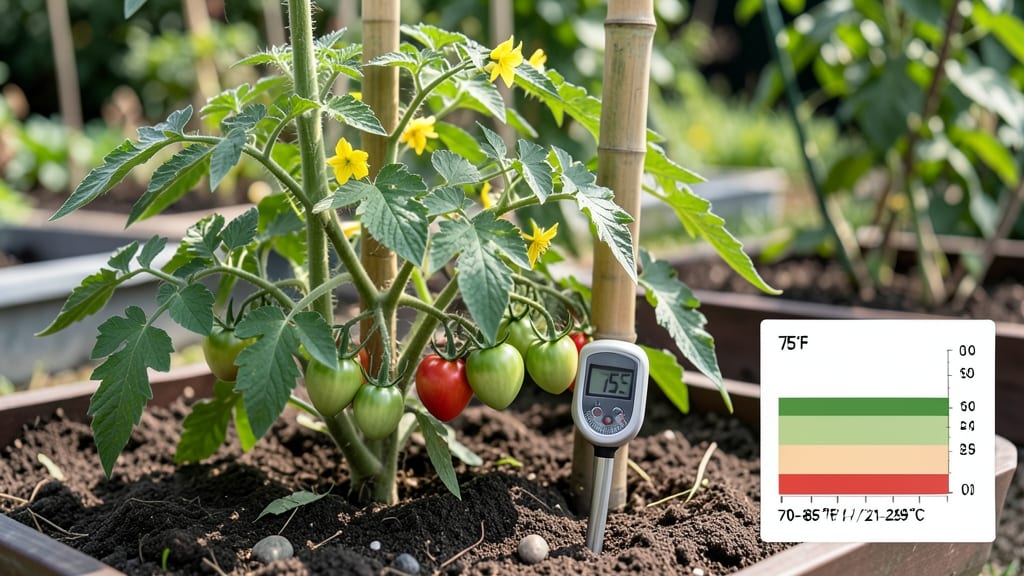
Getting the soil temperature right for tomatoes 🍅 is the difference between a thriving garden and weeks of waiting for seeds to even sprout.
Did you know that planting tomatoes in soil that’s too cold can stall germination for weeks—or even kill seedlings before they sprout? Getting the soil temperature right is the secret weapon behind bountiful tomato harvests, yet most gardeners overlook this critical factor.
If your soil is too chilly, seedlings struggle to break through the earth, and even mature plants suffer stunted growth. But with the right tools and techniques, you can warm up your soil faster and give your tomatoes the perfect start.
In this guide, I’ll walk you through the ideal soil temperature ranges for every stage of tomato growth, how to measure your soil’s warmth, and simple fixes like black plastic mulch or cold frames to speed up the process.
Optimal soil temperature ranges for planting tomatoes at every growth stage
Getting your soil temperature right is the difference between healthy tomato seedlings and wasted seeds. Tomatoes are sensitive plants, and their growth stages each require specific temperature ranges to thrive.
From the moment you plant seeds to when your plants mature, maintaining the right conditions ensures faster germination, stronger roots, and bigger yields.
Most gardeners focus on air temperature and frost dates, but soil temperature is just as critical. Cold soil can delay germination by weeks or even kill young seedlings before they emerge.
Meanwhile, soil that’s too hot can stress plants and stunt their growth. Let’s break down the ideal ranges for each stage of your tomato’s journey.
🌱 Did You Know? Tomatoes prefer warmer soil than many other vegetables. Unlike cool-season crops like lettuce, they won’t tolerate chilly conditions, which is why timing your plantings is so important.
For seed germination, aim for soil temperatures between 60-90°F, with the sweet spot being 70-85°F. If your soil is colder than 55°F, your seeds may never sprout—or they’ll take weeks to emerge, leaving them vulnerable to rot or pests.
In regions with late springs, like USDA Zone 5 or colder, consider using black plastic mulch or seedling heat mats to warm the soil faster.
When it’s time to transplant seedlings, the soil should be at least 55°F, but the ideal range is 55-65°F. Transplanting too early into cold soil can shock the roots and stunt growth.
To test your soil, use a soil thermometer—insert it 2-4 inches deep for accurate readings. If the soil is still too cold, wait a few more days or use a row cover to protect young plants.
Once your tomatoes are in the ground, focus on maintaining soil temperatures between 70-85°F for root development. Warmer soil encourages faster root growth, which means your plants can access nutrients and water more efficiently.
During flowering and fruiting, keep soil temps between 75-85°F to support pollination and fruit set. If your region experiences hot afternoons, provide some afternoon shade to prevent soil from overheating.
In cold climates, like those in USDA Zones 3-5, you might need to take extra steps to warm your soil. Try using black plastic mulch a few weeks before planting to raise soil temperatures naturally.
For container-grown tomatoes, use heat mats or plant in black pots that absorb more heat. In hot climates, like those in USDA Zones 9-11, focus on keeping soil moist and providing afternoon shade to prevent overheating.
Monitoring your soil temperature isn’t just about planting at the right time—it’s about giving your tomatoes the best possible start. With the right conditions, you’ll see faster germination, stronger plants, and a bountiful harvest all season long.
Don’t let cold soil hold you back—arm yourself with the right tools and knowledge to grow tomatoes like a pro! 🌿
How to measure and adjust soil temperature for faster tomato growth
Tomatoes thrive when soil temperatures are just right, but many gardeners assume their soil is ready when it’s not. Cold soil can delay germination by weeks or even prevent seedlings from establishing roots.
The key to faster growth starts with knowing how to check your soil temperature accurately—and how to adjust it when conditions aren’t ideal.
Most gardeners focus on air temperature, but soil temperature is what truly matters for tomato roots and seed germination. A simple soil thermometer (or even a DIY method) can reveal whether your planting bed is too chilly.
Once you know the temperature, you can use quick fixes like black plastic mulch or row covers to warm things up fast.
- 1 Check depth matters: Measure soil temperature 1-2 inches deep—this is where tomato roots first encounter warmth. Surface temps can be misleading.
- 2 Use a soil thermometer: Digital probes or glass-stem thermometers (like those for meat) work perfectly. Insert them horizontally for accurate readings.
- 3 Warm soil fast: Lay down black plastic mulch 1-2 weeks before planting to raise temps by 10-15°F. Clear it when temps hit 60°F for planting.
- 4 Protect seedlings: Use row covers or floating row covers to trap heat during cool nights. Remove during the day to avoid overheating.
- 5 Heat mats work wonders: Electric or solar-powered seedling heat mats can raise soil temps by 10-20°F under containers, ideal for early starts.
If your soil is stubbornly cold, don’t wait for nature to warm it up. Black plastic mulch is my go-to trick—it absorbs sunlight and radiates heat directly into the soil.
For container growers, heat mats are a game-changer, especially in early spring when nights are still chilly. Even a simple clear plastic tunnel over seedlings can add 5-10°F of warmth.
Timing is everything: Seed germination stalls below 55°F, and roots struggle to establish below 60°F. Use a soil thermometer daily for a week to track trends—morning and evening temps can vary wildly.
If your soil hovers around 50°F, hold off on planting until it climbs closer to 60°F.
For transplants, aim for soil temps between 55-65°F. If your region has unpredictable spring weather, extend your season with row covers or a cold frame.
These tools create microclimates that keep roots warm while protecting young plants from frost. Just remember: Remove covers during the day to prevent overheating.
Pro tip: Compost piles also radiate heat—bury a 5-gallon bucket filled with compost near your planting bed to create a warm pocket of soil. Check temps with your thermometer after 3-4 days for a natural boost. With these tricks, you’ll be harvesting juicy tomatoes weeks earlier than your neighbors! 🍅