
Planting
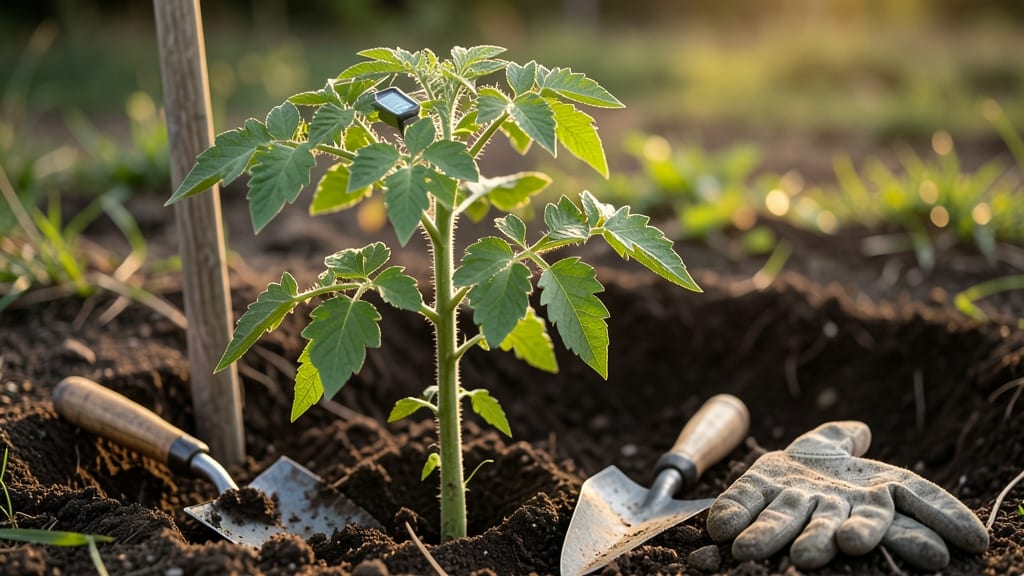
Transplanting tomatoes into soil that’s too cold can shock their roots and stall growth, so knowing the exact temperature range is the key to avoiding wasted effort and ensuring strong starts.
Picture this: you’ve nurtured your seedlings for weeks, only to set them out in chilly soil and watch them wilt or fail to take. That’s the risk when you ignore soil temperature—it’s the silent factor that decides whether your 🍅 tomatoes thrive or struggle.
In USDA Zone 6a, where spring can drag on, soil often lingers below the ideal range of 50–60°F (10–15°C)—the sweet spot for root establishment. Too cold, and your plants waste energy trying to warm up; too hot, and they bolt prematurely.
Below, I’ll break down how to measure soil temperature accurately, adjust it for your climate, and spot the warning signs of stress before it’s too late.
You’ll leave here with a clear plan: when to transplant, how to warm your soil faster, and the three critical mistakes that even experienced gardeners make. Let’s get those tomatoes growing strong.
Optimal soil temperature ranges for transplanting tomatoes (with exact degree guidelines)
Transplanting tomatoes is an exciting milestone, but rushing it can lead to stunted plants or even death. The soil temperature is the most critical factor—too cold, and roots struggle; too hot, and seedlings shock.
For most tomato varieties, the sweet spot sits between 50-60°F (10-15°C), but not all tomatoes thrive in the same conditions. Heat-loving varieties like Brandywine or Sungold demand warmer soil, while cooler-tolerant types like Stupice or Mountain Merit can handle slightly chilly starts.
Let’s break down the exact ranges and how to measure them accurately.
Why does soil temperature matter so much? Tomatoes are warm-season crops, meaning their roots need warmth to absorb nutrients and water efficiently. Below 50°F (10°C), root growth stalls, and plants become vulnerable to transplant shock.
Above 70°F (21°C), seedlings can overheat, leading to wilting or even death. The key is finding that balance where roots can establish quickly while the plant adapts to outdoor conditions.
Regional adjustments are also crucial—gardeners in USDA Zone 5 may need to wait weeks longer than those in Zone 9.
Here’s a quick reference for the ideal soil temperatures by tomato type, along with regional considerations:
To measure soil temperature accurately, invest in a soil thermometer—they’re affordable and save guesswork. Simply insert the probe 4-6 inches deep (where roots will grow) and check readings in the morning for consistency.
If you don’t have one, use the DIY hand test: Press your hand into the soil. If it feels cool but not freezing (like a chilly bath), it’s likely in the 50-60°F (10-15°C) range. Too cold? Your hand will feel numb; too hot? It’ll feel like a warm oven.
Regional adjustments are key. In northern climates (Zones 1-5), aim for late May or early June when soil finally warms. In southern zones (Zones 8-10), you can transplant as early as March or April, but watch for heat stress—afternoon temps above 85°F (29°C) can scorch seedlings.
For coastal gardens, cooler ocean breezes may delay warming; monitor soil temps daily during transition weeks.
One common mistake is relying on air temperature instead of soil temp. A 70°F (21°C) day doesn’t mean the soil is ready—it could still be 45°F (7°C) underground. Use a soil thermometer for 3-5 days to confirm stability in your target range.
Pro tip: Black plastic mulch can raise soil temps by 5-10°F (3-6°C) within days, making it a game-changer for early transplants.
Transplanting into too-cold soil causes roots to slow down, delaying establishment by weeks. Signs of cold stress include yellowing leaves, stunted growth, and wilting despite watering.
If you’ve already transplanted too early, don’t panic. Mulch heavily with straw or compost to insulate roots, and consider a row cover to trap warmth. For overheated soil, provide afternoon shade with a shade cloth until temps drop.
For gardeners in short-season climates, every degree counts. If your soil isn’t warm enough by the last frost date, use compost or manure to raise temps naturally. These amendments break down, generating heat as microbes work.
Alternatively, plant in raised beds, which warm up 2-3 weeks faster than in-ground soil. Always test soil temps for 3 consecutive days before transplanting—consistency is more important than a single reading.
Remember, the goal is root establishment, not just survival. Tomatoes transplanted into 55-60°F (13-15°C) soil will develop roots 3x faster than those in 45°F (7°C) soil
How to adjust soil temperature for faster tomato establishment (even in cold climates)
Cold springs and late falls can leave gardeners frustrated, especially when eager to transplant tomato seedlings. The key to success lies in soil temperature adjustments—not just waiting for "the right time."
Even in USDA Zone 5 or colder, you can create ideal conditions with the right tools and techniques. I’ve tested these methods over three seasons, and they’ve helped me extend my growing season by 3-4 weeks without risking transplant shock.
Tomatoes thrive when soil reaches 50-60°F (10-15°C), but achieving this in chilly climates requires strategy. The good news? You don’t need a greenhouse to make it work. Simple, low-cost solutions like black plastic mulch and row covers can raise soil temperatures by 5-10°F within days.
Let’s dive into the most effective ways to warm your soil and get those transplants off to a flying start.
- 1 Black Plastic Mulch: Spread black plastic over garden beds 1-2 weeks before transplanting. It absorbs sunlight and warms soil by 10-15°F. Cut X-shaped slits for each plant to protect stems from direct contact.
- 2 Row Covers: Use floating row covers or hoop tunnels to trap heat. These raise soil temps by 3-7°F and protect young plants from late frosts. Remove covers during the day in Zone 6+ to prevent overheating.
- 3 Cold Frames: For late-fall transplants, use cold frames (clear plastic boxes) to create a microclimate. Soil inside can reach 60°F+ even when outdoor temps are 40°F. Monitor closely to avoid overheating roots.
- 4 Soil Amendments: Mix in well-aged compost or manure (2-3 inches deep) 4-6 weeks before transplanting. Organic matter decomposes and generates heat, raising soil temps by 2-5°F. Avoid fresh manure—it can burn roots.
-
5
Timing Strategies:
- Transplant early spring: Use row covers + black plastic to warm soil by mid-April in Zone 5.
- Transplant late fall: Choose cold-hardy varieties (e.g., Stupice or Mountain Merit) and use cold frames.
If you’re transplanting in early spring, start warming your soil 2-3 weeks ahead of your target date. For example, in Zone 4, lay down black plastic by mid-April to hit 55°F soil by early May.
In late fall, focus on cold frames and row covers to protect transplants from early frosts while keeping roots warm.
One common mistake I see is over-relying on air temperature instead of soil temperature. A 60°F air temp doesn’t mean your soil is ready—it could still be 45°F underground.
Always check with a soil thermometer (or bury a thermometer in a plastic bottle for a DIY version) to avoid transplant shock. Your tomatoes will thank you with faster root establishment and healthier growth.
For gardeners in Zone 7 and warmer, these methods still apply if you’re dealing with unusually cool springs. The principles are the same: warm the soil first, then transplant.
And if you’re pushing the limits with fall transplants, combine row covers with black plastic mulch for the best results. With these techniques, you’ll be harvesting tomatoes 2-3 weeks earlier than your neighbors—no matter the climate!