
How To
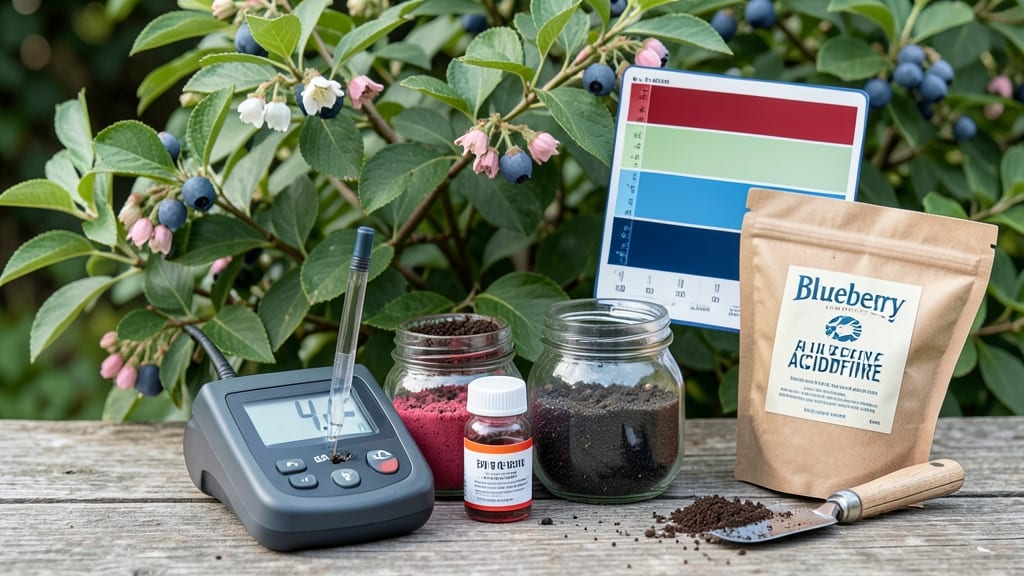
Soil pH is important because it controls nutrient availability for plants, determining how well roots absorb essential minerals like nitrogen, phosphorus, and potassium. Maintaining ideal pH levels (typically 6.0–7.0) prevents deficiencies or toxic buildup, ensuring healthy plant growth.
Soil pH acts like a gatekeeper for what nutrients your plants can access.
For example, phosphorus becomes locked up in acidic soils, while calcium struggles to dissolve in alkaline conditions. 🌱 Many gardeners don't realize that even small pH shifts can turn essential micronutrients like iron or zinc into either scarce resources or toxic overloads.
The right pH balance isn't just about growth—it's about preventing hidden deficiencies that show up as yellowing leaves or stunted roots long before you notice the soil's actual pH level.
Think of it this way: your soil's pH determines whether your plants are getting a five-star meal or a fast-food buffet of empty calories. When pH is off, even the most nutrient-rich soil becomes ineffective, leaving plants starving despite having everything they need chemically available.
That's why testing your soil regularly and making small adjustments with organic amendments can mean the difference between a thriving garden and one that's constantly struggling.
💡 In This Article
- How Soil pH Affects Nutrient Uptake in Plants
- Testing and Adjusting Soil pH for Optimal Gardening
How soil pH affects nutrient uptake in plants
Soil pH fundamentally alters how plants access nutrients through a process called ion availability. At its core, pH measures hydrogen ion concentration (H+), which directly impacts whether nutrients exist in forms roots can absorb.
For instance, phosphorus—critical for energy transfer in plants—becomes locked up as insoluble compounds when soil pH drops below 5.5. This is why acidic soils often show phosphorus deficiencies despite having ample phosphorus present chemically.
Conversely, calcium and magnesium become less soluble in alkaline soils (pH > 7.5), leading to stunted growth even when these minerals are abundant.
The relationship between pH and micronutrients is particularly dramatic. Iron, for example, becomes toxic in excess at pH 7.0+ because it oxidizes into insoluble forms that damage roots, while zinc and manganese precipitate out of solution in alkaline conditions.
On the flip side, acidic soils (pH < 6.0) can make aluminum and manganese highly soluble and toxic. This explains why plants like blueberries thrive in acidic soils (pH 4.5-5.5)—they've evolved to handle these conditions where most other plants would suffer from aluminum toxicity. 🌱
Roots themselves adapt to these conditions through specialized mechanisms. In acidic soils, plants may develop cluster roots that excrete organic acids to locally raise pH and release bound nutrients. Meanwhile, in alkaline conditions, some species grow longer root hairs to increase surface area for nutrient capture.
These adaptations show nature's ingenuity—but they can't overcome extreme pH imbalances. When pH strays beyond 5.0-8.0, even these strategies fail, leading to visible symptoms like chlorosis (yellowing leaves) from iron deficiency or brown leaf tips from calcium shortages.
Consider this real-world example: tomatoes need pH 6.0-6.8 for optimal growth. At pH 5.0, their roots can't access enough phosphorus, resulting in weak stems. At pH 8.0, manganese becomes unavailable, causing brown spots between leaf veins. The same soil tested at 6.5 pH would provide all nutrients perfectly balanced.
This precision is why professional growers monitor pH weekly during critical growth stages—small shifts can mean the difference between a 20-pound tomato plant and one that barely produces fruit.
What most gardeners overlook is how pH interacts with organic matter. Compost and worm castings naturally buffer pH changes, but their effectiveness drops dramatically outside the 6.0-7.0 range.
This is why adding organic matter to acidic soils often works better than lime alone—it creates a more stable environment where microbial activity can further break down nutrients. The microbial community itself thrives within pH 6.5-7.5, which is why healthy soil ecosystems maintain this balance naturally. 🔬
The takeaway? Soil pH isn't just about numbers—it's about creating the right chemical environment where all the pieces fit together. When pH is optimal, nutrients exist in perfect balance for uptake. When it's off, even the most fertile soil becomes a nutrient wasteland.
This is why understanding pH isn't just academic—it's the foundation of successful gardening, whether you're growing vegetables, flowers, or lawns.