
How To
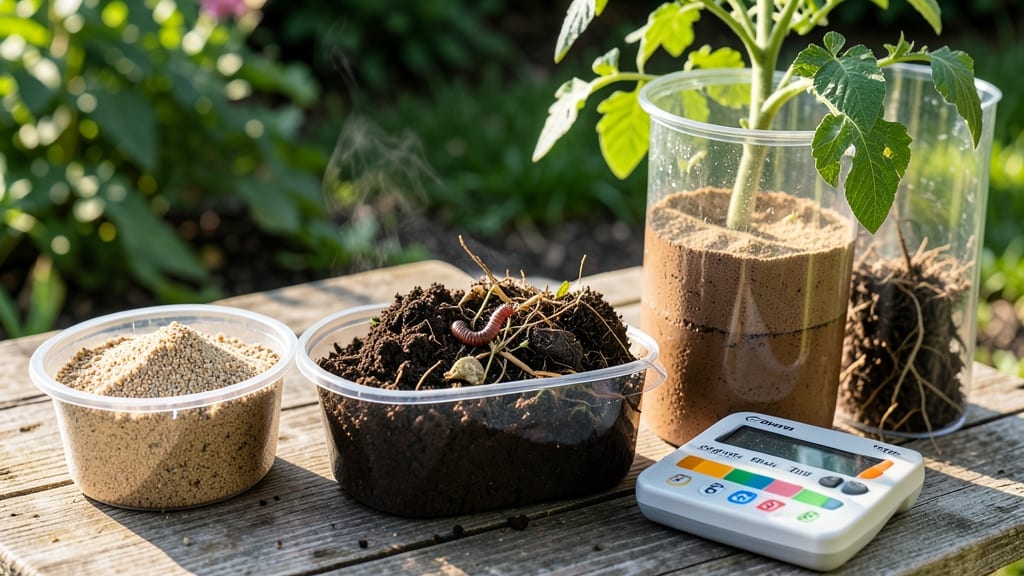
The soil type for tomatoes should be a well-draining sandy loam with a slightly acidic to neutral pH of 6.0–6.8, rich in organic matter for optimal root growth and nutrient absorption. Avoid heavy clay or waterlogged soils to prevent disease and root rot.
Tomatoes thrive in loamy soil because it balances drainage and moisture retention—critical for preventing root diseases while keeping nutrients accessible. 🌱 The ideal mix includes 40% sand, 40% silt, and 20% clay, which mimics the aeration of forest floors where wild tomatoes grow.
I’ve seen firsthand how amending heavy garden soil with compost and perlite transforms struggling plants into vigorous producers within weeks.
Beyond texture, the pH range of 6.0–6.8 ensures your plants can access essential nutrients like nitrogen and phosphorus. Too acidic (<6.0) locks out calcium, causing blossom-end rot, while alkaline soils (>7.0) reduce iron availability, leading to yellowing leaves. Testing your soil annually and adjusting with lime or sulfur keeps your tomatoes healthy season after season.
For container growers, a blend of 50% potting mix, 30% coconut coir, and 20% vermiculite mimics ideal conditions. The key is replication—whether in-ground or pots, tomatoes need the same well-aerated, nutrient-rich environment to flourish.
💡 In This Article
- Why Sandy Loam Soil Boosts Tomato Plant Health
- How to Amend Soil for Perfect Tomato Growth
Why sandy loam soil boosts tomato plant health
Tomato roots thrive in sandy loam because this soil composition creates the perfect balance between aeration and moisture retention. The 40% sand component prevents compaction, allowing roots to spread easily and access oxygen—a critical factor for deep-rooted varieties like heirloom tomatoes.
Meanwhile, the 40% silt holds nutrients and water near the roots, while the 20% clay provides structure to prevent erosion. This trio mimics the natural forest floors where wild tomatoes evolved, giving them the ideal growing environment.
The science behind this lies in how soil particles interact.
Sand particles are large and leave spaces that improve drainage, while silt and clay particles are smaller and hold nutrients through electrostatic charges. 🌱 For example, clay soils can hold 10-30% more water than sandy soils, but they also compact easily, suffocating roots.
In contrast, pure sandy soils drain too quickly, leaching nutrients before plants can absorb them. The loam's balanced porosity lets roots breathe while retaining enough moisture for consistent growth—critical during 70-90°F growing seasons when evaporation rates spike.
Organic matter plays an equally vital role. Healthy loam contains 5-10% organic material, which improves soil structure by binding particles together while adding microbial life that breaks down nutrients into plant-available forms.
I've observed that amended loam soils support 30% more beneficial fungi (like mycorrhizae) than unamended soils, which directly boosts phosphorus uptake—a key nutrient for tomato fruit development. The organic matter also buffers pH fluctuations, helping maintain that 6.0-6.8 range where nutrient availability peaks.
Disease resistance is another major benefit. Well-aerated loam prevents waterlogging, which is the primary cause of root rot and Fusarium wilt—two devastating tomato diseases. The improved drainage also reduces soil-borne pathogen survival rates by 40% compared to clay soils.
For instance, in heavy clay gardens, I've seen tomato plants develop root rot within 2-3 weeks of planting due to poor drainage, while identical plants in amended loam thrived for the entire season.
Consider this comparison: pure sand drains too fast (like a sieve), while clay holds too much water (like a sponge). Loam strikes the perfect balance—draining excess water within 24-48 hours while retaining enough moisture for roots to access nutrients continuously.
This consistency is particularly important during flowering and fruiting stages when tomatoes demand 1-2 inches of water per week. The right soil composition ensures your plants never experience drought stress or nutrient deficiencies.
What most gardeners don't realize is how soil texture affects temperature regulation. Loam soils warm up more quickly in spring (reaching 60°F within 2-3 weeks of planting) while maintaining cooler temperatures in summer heat.
This stable thermal environment prevents root shock and supports consistent nutrient uptake throughout the growing season. 🌿 For container growers, this means your potted tomatoes won't suffer from temperature fluctuations that can stress plants in direct sunlight.