
How To
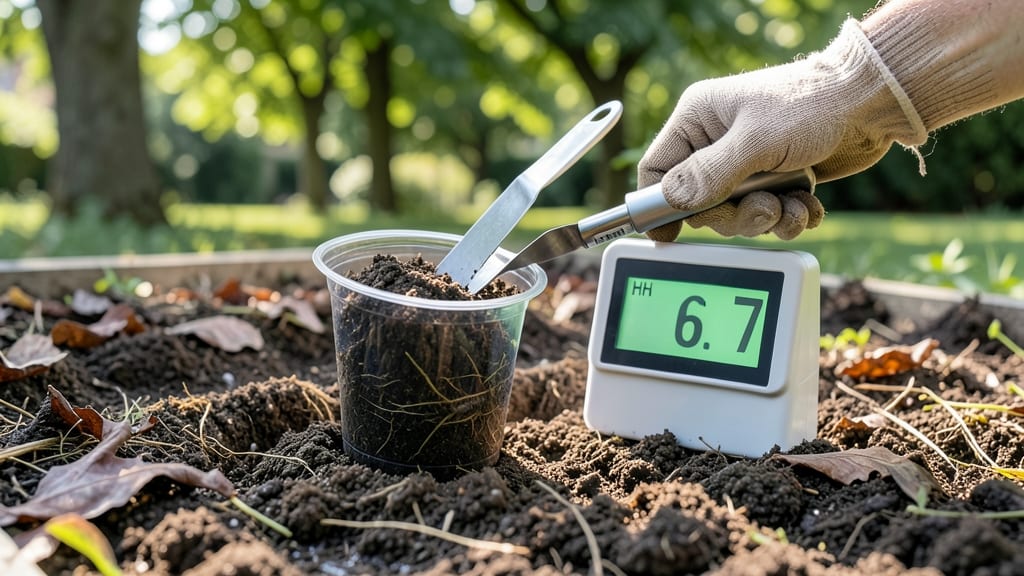
Soil with a pH of 6 to 7 is ideal for most vegetables and fruits, promoting optimal nutrient uptake, healthy root growth, and maximizing plant vitality while balancing acidity and alkalinity for balanced soil chemistry.
A balanced soil pH in this range ensures plants can access essential nutrients like nitrogen, phosphorus, and potassium efficiently. 🌱 When the soil is too acidic or alkaline, these nutrients become locked away, stunting growth or causing deficiencies.
For example, tomatoes and peppers thrive in slightly acidic soil (6.0–6.8), while lettuce and spinach prefer the neutral end (6.5–7.0). I’ve found that testing your soil every 2–3 years helps maintain this sweet spot, especially if you’re growing multiple crops in the same bed.
This ideal range also supports beneficial soil microbes that break down organic matter, making nutrients more available to plants.
Without the right balance, you might see yellowing leaves or stunted plants—even if you’re watering and fertilizing correctly. 💫 The key is consistency: small adjustments with lime (to raise pH) or sulfur (to lower it) can make a big difference over time.
💡 In This Article
- Why pH 6 to 7 Soil Boosts Plant Growth
- Testing and Adjusting Soil pH for Vegetable Gardens
Why pH 6 to 7 soil boosts plant growth
Soil pH directly controls which nutrients plants can absorb, and the 6 to 7 range creates the perfect balance for nutrient availability. At this neutral-to-slightly-acidic level, essential elements like nitrogen, phosphorus, and potassium remain soluble in the soil solution.
For example, phosphorus—critical for root development and flowering—becomes nearly 100% available to plants in this range, while it drops to just 10-20% availability at pH 5.5 or above 7.5. 🌱 This is why tomatoes and peppers, which need abundant phosphorus for fruit production, thrive in 6.0-6.8 soil.
The chemistry gets even more interesting when you consider how pH affects microbial activity. Beneficial bacteria and fungi that decompose organic matter and fix nitrogen prefer this range too.
At pH 6.5, for instance, mycorrhizal fungi—symbiotic partners that extend plant roots—function at peak efficiency, helping plants access water and nutrients more effectively. In contrast, soil with pH below 5.5 or above 8.0 suppresses these microbes, creating a vicious cycle where nutrients become locked away while plant health declines.
Root function is another critical factor. Acidic soil (pH 5.0) can cause aluminum toxicity, where harmful aluminum ions replace calcium in cell walls, making roots brittle and unable to absorb water. Conversely, alkaline soil (pH 8.0) reduces manganese availability, leading to yellowing leaves and stunted growth.
The 6 to 7 range keeps these heavy metals inactive while ensuring roots can expand freely, accessing nutrients throughout the soil profile. This is why gardeners often see stronger, more resilient plants when maintaining this balance.
Let’s talk about specific nutrients and their behavior. Nitrogen, for example, exists in two plant-available forms: nitrate (preferred) and ammonium. At pH 6.5, nitrate dominates, providing a steady nitrogen supply.
But if the pH drops to 5.5, ammonium becomes more prevalent—while it’s immediately available, it can acidify the soil further over time.
Meanwhile, calcium and magnesium, essential for cell structure and enzyme function, become less available in acidic conditions, leading to blossom-end rot in tomatoes or crinkled leaves in lettuce. 💫 The 6 to 7 range keeps all these elements in harmony.
Visual clues can help you spot pH-related issues. Yellowing leaves with green veins often signal nitrogen deficiency in alkaline soil, while dark green leaves with stunted growth may indicate phosphorus or iron deficiencies in acidic soil. The key is observing these patterns and adjusting your soil accordingly.
For instance, adding 1-2 pounds of garden lime per 100 square feet can raise pH by 0.5-1.0 units over a few months, while elemental sulfur lowers it by 1-2 units per 100 pounds applied. Small, measured changes are far more effective than drastic adjustments.
What most people don’t realize is how soil texture interacts with pH. Sandy soils, which drain quickly, often require more frequent pH adjustments because nutrients wash out faster. In contrast, clay soils hold onto nutrients longer but can become compacted if the pH is off, reducing root penetration.
The 6 to 7 range helps maintain the right balance regardless of soil type, ensuring nutrients stay accessible while roots can grow unimpeded. This is why even the most nutrient-rich compost won’t help if the pH is outside this ideal window.