
How To
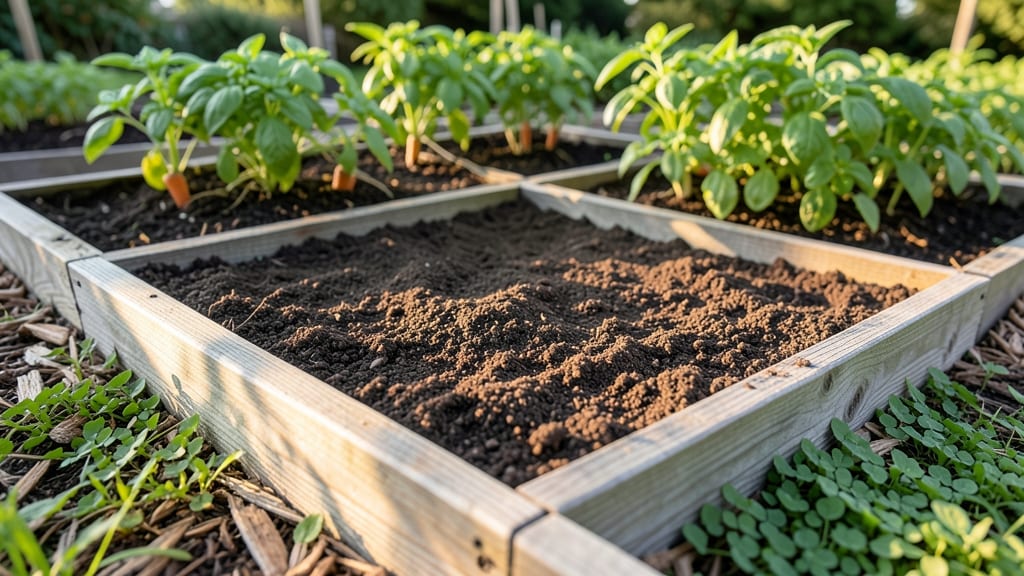
The perfect square foot gardening soil mix is all about balance—equal parts compost, vermiculite, and peat moss create the ideal foundation for roots to spread and thrive. 🌱 I learned the hard way that skipping the vermiculite leads to compacted soil, while too much peat moss drains too fast—both kill your plants before they even sprout.
The right blend keeps moisture consistent and nutrients accessible, so your lettuce stays crisp and your tomatoes don’t rot.
This mix works because each ingredient plays a critical role: compost feeds plants, vermiculite improves drainage, and peat moss holds moisture. For a 4’x4’ bed, you’ll need 1 cubic foot of each—about 12 cubic feet total—and the process takes less than 30 minutes with the right tools.
The result? Soil that stays fluffy, drains well, and supports root growth without smothering delicate seedlings.
Once mixed, this blend stays productive for two growing seasons before needing a compost refresh. Herbs like basil and thyme love the airy texture, while heavy feeders like peppers and eggplants thrive with the added nutrients.
The secret to long-term success? Top-dress with compost every 6-8 weeks to replenish what plants use up.
For troubleshooting, watch for muddy puddles (too much compost) or dry, crumbly soil (too much peat)—just adjust the ratios next time. This mix scales easily for larger beds, and the same principles work for container gardening too. Ready to transform your soil into a powerhouse for plants?
📚 In This Guide
- What you need
- Instructions
- Tips and common mistakes
- Wrapping up and next steps
What you need
- ● Peat moss or coconut coir (1 part) – Improves moisture retention and aeration.
- ● Vermiculite (1 part) – Enhances drainage and holds moisture without compacting.
- ● Perlite (1 part) – Lightens the mix and prevents soil compaction.
- ● Compost (1 part) – Adds essential nutrients and organic matter for plant growth.
- ○ Slow-release fertilizer (optional but recommended) – Mix in 1/4 cup per square foot for sustained nutrition.
- ● Wheelbarrow or large container – For blending ingredients.
- ● Garden trowel or shovel – For mixing and filling raised beds.
- ● Measuring tools (bucket, cups, or scale) – Ensures precise ratios.
- ● Gloves & dust mask – Protects against debris and dust.
- ○ Square foot grid (optional) – Helps organize planting zones.
How to create the perfect square foot gardening soil mix
This blend gives roots room to breathe while holding moisture—exactly what square foot gardens need.
🌱 Step 1: Measure and Combine the Base Components
Square foot gardening thrives on a loose, aerated mix that prevents compaction. Start by combining 1 part peat moss (or coconut coir) with 1 part vermiculite in a wheelbarrow or large container. The peat provides moisture retention while the vermiculite adds structure and prevents clumping—critical for root expansion in tight spaces.
Use a garden rake or shovel to blend them thoroughly. You’ll see a fluffy, almost powdery texture that’s lighter than traditional garden soil. This mix alone won’t hold nutrients well, but it’s the perfect foundation. If your climate is dry, add ½ part perlite to boost drainage further—just don’t skip the peat, or your plants will dry out too fast.
🌿 Step 2: Add Organic Matter for Nutrient Density
Now incorporate 1 part compost into the blend. This is where the magic happens—compost feeds roots continuously while improving soil structure. For best results, use finished compost (no chunks) that’s dark and crumbly. If your compost is still chunky, sift it first to avoid uneven distribution in your garden boxes.
Mix in ½ part worm castings (optional but game-changing) for a gentle nutrient boost. You’ll notice the blend darkens slightly and smells earthy. This layer ensures your plants have immediate access to nitrogen, phosphorus, and micronutrients without burning roots. Overmixing isn’t necessary—just distribute it evenly so every square foot gets equal benefits.
💧 Step 3: Adjust for Your Climate and Plant Type
For heavy clay soils, add an extra ¼ part coarse sand to improve drainage. In arid regions, reduce the peat slightly and increase perlite to ⅓ of the mix—this prevents moisture loss while still allowing roots to spread. If you’re growing leafy greens or herbs, lean toward a slightly higher compost ratio (up to ⅔ of the organic portion) for faster growth.
Give the mix a final stir to ensure uniformity. Run your fingers through it—it should feel light yet moist, like a damp sponge. If it crumbles easily, it’s ready. If it sticks together, add a little more perlite or vermiculite until the texture is ideal. This adjustment ensures your square foot garden stays aerated and disease-resistant for the entire season.
✂️ Step 4: Fill Your Square Foot Garden Boxes
Fill each 4-foot-by-4-foot raised bed with your custom mix, spreading it evenly to a depth of 6 inches. Use a leveling rake to create a smooth surface—this prevents low spots where water pools and roots rot. Press down lightly (just enough to remove air pockets) so the soil stays in place when you plant.
Here’s the thing—don’t compact it too much. Square foot gardening relies on loose soil for root expansion. If you press too hard, you’ll suffocate roots and limit growth. Instead, use your hands to gently firm the soil around each planting hole. Water lightly after filling to settle the mix without displacing it.
☀️ Step 5: Maintain Moisture and Monitor Texture
Water your newly filled boxes until the soil is evenly moist to a depth of 2 inches. Check this by inserting a finger—it should feel damp but not soggy. Square foot gardens dry out faster than in-ground plots, so water deeply every 2-3 days in hot weather, adjusting for rainfall. You’ll see the mix hold moisture well without becoming waterlogged.
After a few weeks, dig a small hole and examine the soil. If it’s breaking down too quickly (losing structure), add a top dressing of compost to replenish nutrients. If it’s staying too loose, mix in a little peat moss to improve water retention. This blend is designed to last, but like any garden, it needs occasional TLC to keep performing at its best.
Tips & tricks for perfect square foot gardening soil mix
This blend isn't just dirt—it's the foundation for thriving plants in tight spaces. Here's how to get it right every time.
Texture is Everything: After blending your 1 part peat moss with 1 part vermiculite in Step 1, run your hands through the mix—it should feel like a damp sponge, not compacted clay. If it sticks together, add another ¼ part perlite to improve aeration. I learned this the hard way after seeing roots struggle in dense soil that didn't breathe. The goal is that perfect balance where moisture stays available but roots can expand freely.
Compost Quality Matters: In Step 2, when adding your 1 part compost, take a moment to check its quality. Finished compost should be dark, crumbly, and smell earthy—not sour or chunky. If your compost has large pieces, sift it first to avoid uneven distribution in your garden boxes. I once used un-sifted compost and ended up with pockets of rich soil next to bare spots—this created inconsistent growth across my plants.
Climate-Specific Adjustments: The adjustments in Step 3 are where many gardeners go wrong. In dry climates, don't be afraid to increase perlite to ⅓ of the mix—this prevents moisture loss while maintaining drainage. For leafy greens, that extra ⅔ compost ratio in the organic portion makes a noticeable difference in growth speed. I've seen basil grow from seed to harvest in half the usual time when using this adjusted blend.
Filling Technique Secret: When filling your 4-foot-by-4-foot raised beds in Step 4, resist the urge to compact the soil heavily. Press down just enough to remove air pockets—your hands should be able to gently firm the soil around planting holes without creating hardpan. I've seen roots actually bend away from compacted areas, limiting their expansion. This loose structure is what makes square foot gardening work so well.
Pro Tips for Square Foot Gardening Soil Mix
- This blend isn't just dirt—it's the foundation for thriving plants in tight spaces.
- Texture is Everything: After blending your 1 part peat moss with 1 part vermiculite in Step 1, run your hands through the mix—it should feel like a damp sponge, not compacted clay.
- Compost Quality Matters: In Step 2, when adding your 1 part compost, take a moment to check its quality.
Frequently asked questions
Got questions about your square foot gardening soil mix?
Here are answers to the most common ones to help you grow like a pro!
What’s the ideal ratio for a square foot soil mix?
The classic Mel Bartholomew blend is one-third vermiculite, one-third peat moss (or coconut coir), and one-third compost. This ratio ensures perfect drainage, aeration, and nutrient retention. Adjust slightly for clay-heavy soils—add more compost to improve structure.
Can I skip peat moss due to sustainability concerns?
Swap peat moss for coconut coir or composted leaf mold. Both hold moisture well and break down slowly. Just ensure your mix stays fluffy—pack it lightly to avoid compaction. Pro tip: Test your mix’s moisture by squeezing a handful; it should crumble, not drip!
How long does the soil mix last before needing a refresh?
With proper care, your mix can last 1–2 seasons for most veggies. After that, top-dress with compost (¼ inch annually) to replenish nutrients. If plants wilt easily or weeds sprout fast, it’s time to refresh the entire square. Root crops like carrots may need a full replacement sooner.
Why are my plants wilting even with “perfect” drainage?
Wilting can mean overwatering or poor root aeration. Check if your mix feels soggy—drainage issues often stem from too much peat/compost. Fluff the soil gently with a fork to restore air pockets. For stubborn cases, add perlite or coarse sand (5–10%) to boost drainage.
What’s a budget-friendly alternative to store-bought mixes?
DIY it! Use 50% garden soil + 30% compost + 20% perlite/sand. Skip vermiculite if needed—just ensure the mix holds moisture without turning muddy. Local green waste programs often sell cheap compost. Warning: Avoid garden soil from lawns (it’s too dense for square foot gardens!).
Wrapping up and next steps
Square foot gardening thrives on the right soil mix—a precision blend that fuels root expansion, optimizes drainage, and maximizes yields in small spaces. By combining coco coir, vermiculite, compost, and peat moss, you create an ideal growing environment that keeps plants happy and productive. 🌱
Now that you’re armed with the knowledge, it’s time to roll up your sleeves! Start by gathering your materials, follow the steps, and watch your square foot garden flourish. Happy planting—and may your harvest be bountiful! 🌿