
Pests
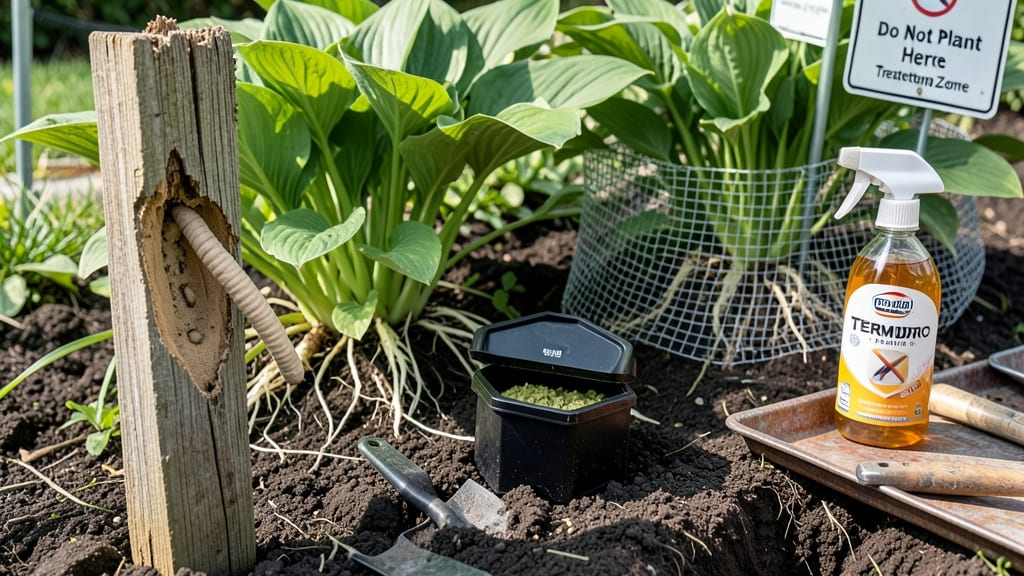
Termites in soil how to treat them before they ruin your garden—because these hidden pests don’t just nibble, they dismantle your plants from the roots up. 🌱 I’ve fought them in my own backyard, and the secret weapon? A simple, natural liquid barrier that creates an impenetrable shield around your plants. The problem starts when termites munch through roots, leaving behind hollow stems and wilting plants that look thirsty even when the soil is damp. Most treatments focus on the colony, but the real fix is protecting your soil first—something chemical sprays miss entirely. A homemade liquid barrier made from food-grade diatomaceous earth and water creates a dry, abrasive zone they won’t cross. By the time you’re done, your garden will be termite-proof without harming beneficial insects or your soil’s health. The barrier lasts 3-6 months and can be reapplied as needed, giving you peace of mind without the harsh chemicals. This works for raised beds, in-ground gardens, and even container setups. Let’s get your soil back under your control—naturally.
The Hidden Triggers Behind Soil Termites
Termites don’t just appear out of nowhere—they’re drawn to your property by a mix of environmental factors, human habits, and even the natural structure of your soil. Understanding these triggers is the first step in stopping them before they become a full-blown infestation.
Let’s break down the science behind why these tiny destroyers show up in your yard.
Termites thrive in damp environments because their survival depends on it. Without proper moisture, their eggs fail to hatch, and their colonies weaken. Here’s why your soil might be a termite magnet:
- Poor Drainage: Clay-heavy or compacted soil traps water like a sponge, creating ideal conditions for subterranean termites (the most common type). If your yard has low spots or slopes directing water toward foundations, you’re essentially inviting them to move in.
- Leaky Pipes or Irrigation Issues: A burst pipe or overwatered lawn can turn a small patch of soil into a termite buffet. These pests follow moisture gradients—if your soil stays soggy, they’ll follow the water (and your wood structures) right to your doorstep.
- High Humidity Levels: Regions with frequent rain or high humidity (think 60%+ moisture) keep soil consistently damp. Even in drier climates, morning dew or shaded areas can create microclimates perfect for termite activity.
Pro Tip: 🔍 Test your soil’s moisture by digging a small hole (6–12 inches deep). If it feels damp to the touch, you’ve got a termite risk zone. Fix drainage issues or adjust irrigation schedules to dry it out.
Termites are nature’s recyclers—but they don’t discriminate between fallen logs and your wooden deck. Their diet is simple: cellulose, the main component of wood, plant matter, and even paper. Here’s how your property might be serving them a gourmet meal:
- Dead Trees or Stumps: A rotting tree in your yard isn’t just an eyesore—it’s a termite condo. Subterranean termites tunnel from the soil into wood, and a decaying stump is an all-you-can-eat buffet. Even mulch made from untreated wood can attract them.
- Wood-to-Soil Contact: If firewood, fence posts, or deck supports are touching the ground, termites will use them as highways. They don’t need to climb—they’ll build mud tubes (their protective tunnels) right from the soil to your wood.
- Improperly Treated Lumber: Pressure-treated wood is a deterrent, but older homes or DIY projects might use untreated wood. Termites can detect cellulose even through thin layers of paint or varnish.
Pro Tip: 🪓 Remove or elevate any wood debris, stumps, or mulch at least 18 inches away from your home’s foundation. Store firewood on racks above ground and at least 20 feet from your house.
Termites don’t just camp in the soil—they move indoors through tiny cracks and undetected entry points. Your home’s design might be unknowingly rolling out the welcome mat:
- Cracks in Foundations or Basements: Even hairline fractures in concrete or brick can serve as termite superhighways. These pests can squeeze through gaps as small as 1/32 of an inch—thinner than a credit card!
- Poor Ventilation in Crawl Spaces: Dark, humid crawl spaces are termite paradises. Without proper airflow, moisture builds up, and termites use the wood framing as a food source.
- Old or Damaged Wood: Water damage, dry rot, or termite damage from past infestations create weak spots. Termites target these areas first because they’re easier to break down.
Pro Tip: 🕵️ Inspect your home’s perimeter annually for:
- Gaps in siding or brick veneer
- Peeling paint or bubbling wood (signs of moisture intrusion)
- Mud tubes on walls or foundation
Not all soil is created equal—and neither are termite risks. The type of soil in your yard and your local climate play a huge role in termite activity:
- Clay Soil: Dense and slow-draining, clay holds moisture like a sponge. Subterranean termites love this environment because it keeps their tunnels hydrated year-round.
- Sandy Soil: While it drains well, sandy soil lacks the structure termites need to build their mud tubes. However, if moisture is present (e.g., from leaks or irrigation), it becomes a high-risk zone.
- Warm Climates: Termites are cold-sensitive. In regions with mild winters (like the Southeast U.S.), colonies stay active year-round. Even in cooler areas, they can survive underground if the soil stays above 50°F (10°C).
Pro Tip: 🌡️ Know your soil type—a simple jar test (fill a jar with soil and water, shake, then observe settling) can reveal if you’ve got clay, silt, or sand. If you’re in a warm, humid zone, proactive termite barriers (like liquid treatments) are a must.
Termites don’t act alone—they’re responding to a perfect storm of moisture, food, and shelter. But the good news? You can disrupt their plan by addressing these triggers head-on. The next step? Learning how to turn your soil into a termite no-go zone with natural, long-lasting solutions.
Termite Treatment Solutions That Work
Termites in your soil don’t just ruin wood—they can weaken your home’s foundation and cost you thousands in repairs. The good news? You can fight back with targeted, effective solutions.
Below, we break down how to treat termites in soil based on the root cause of your infestation, along with prevention tips to keep them away for good.
Before diving into treatments, confirm whether you’re dealing with:
- Subterranean termites (most common, nest underground)
- Drywood termites (live inside wood, no soil connection)
- Formosan termites (aggressive, swarm in large numbers)
💡 Pro Tip: Look for mud tubes (subterranean), swarmers (winged termites), or frass (termite droppings) near soil or wood. If unsure, call a pest professional for a free inspection—it’s the fastest way to know your enemy!
🌱 Natural liquid barriers (safe & long-lasting)
For subterranean termites, a liquid termite barrier in the soil is one of the most effective defenses. Here’s how to apply it:
- 🔥 Choose Your Barrier:
- Boric Acid Solution (1 tbsp per gallon of water) – Toxic to termites but safe for plants if diluted.
- Orange Oil (D-Limonene) – Kills termites on contact; mix with water for a spray.
- Neem Oil – Repels and weakens termites; ideal for organic treatments.
- 🍳 Mix & Apply:
- Fill a garden sprayer with your chosen solution.
- Wet the soil around your home’s perimeter (focus on foundation edges, crawl spaces, and wood contacts).
- Apply 2–3 inches deep—termites travel underground, so they’ll encounter the barrier.
- 👨🍳 Reapply as Needed:
- Natural barriers break down over time (especially with rain). Reapply every 3–6 months for best results.
✨ Bonus: Combine with diatomaceous earth (DE) around wood-to-soil points—it dehydrates termites instantly!
💊 Chemical soil treatments (fast & powerful)
If termites are actively damaging your property, chemical barriers like Termidor (fipronil) or Bifenthrin offer long-term protection (5+ years). Here’s how pros do it:
- 🔪 Trenches & Bait Stations:
- Dig a 6-inch-deep trench around your home’s perimeter.
- Apply termite bait (like Recruit HD) or foam termiticides into the soil.
- For active colonies, use direct soil injection (professionals only).
- ⏰ Timing Matters:
- Apply before rainy season—termite activity peaks when soil is moist.
- Post-treatment inspection in 3–6 months to check for new activity.
💡 Warning: Chemicals require proper PPE (gloves, mask). If DIY isn’t your style, hire a licensed exterminator for guaranteed results.
Termites love moisture + wood + soil access. Block their path with these low-cost, high-impact fixes:
| Problem | Solution | Cost |
|---|---|---|
| Wood touching soil | Install metal or PVC barriers between wood and ground. | $50–$200 |
| Cracks in foundation | Seal gaps with silicone caulk or expanding foam. | $10–$50 |
| Leaky pipes | Fix leaks immediately—termites follow water. | Varies |
| Mulch piles | Keep mulch 6+ inches away from your home’s siding. | Free |
| Firewood storage | Store wood elevated, away from the house, and covered. | $20–$50 |
🌡️ Pro Tip: Reduce humidity in crawl spaces with a dehumidifier—termites thrive in damp soil (keep levels below 50%).
Once you’ve treated an infestation, prevent reinvasion with these easy habits:
- 🔍 Annual Inspections:
- Check for mud tubes, discarded wings, or hollow-sounding wood every spring and fall.
- 🌿 Landscaping Tweaks:
- Plant termite-repelling species like marigolds, mint, or catnip near your foundation.
- Avoid ground-cover plants (like ivy) that trap moisture against your home.
- 🏠 Home Maintenance:
- Paint or seal exposed wood annually.
- Repair roof leaks—water damage attracts termites.
- Ventilate crawl spaces to reduce humidity.
- 🚨 Termite Monitoring:
- Set up termite bait stations (like Spectracide Termite Detection Stations) around your yard.
- Replace old wood (decks, fences) with termite-resistant materials (cedar, redwood, or treated lumber).
Final Thought: Termites in soil are manageable—whether you go natural, chemical, or physical, consistency is key. Start with one or two methods, monitor results, and scale up if needed. Your home’s defense starts below ground, so don’t wait until you see damage to act! 🚀
Frequently asked questions
How do I know if I have subterranean termites in my soil?
Look for mud tubes (pencil-sized tubes along foundation walls), discarded wings near windows, or hollow-sounding wood when tapped. Subterranean termites build tunnels to reach moisture—check for them along basement walls or wood-to-soil contact points.
Will natural treatments like orange oil or neem oil really work against termites?
Yes! Both are effective when applied correctly. Orange oil (D-limonene) kills termites on contact, while neem oil disrupts their feeding and reproduction. For best results, mix with water and apply directly to soil around your home’s perimeter, focusing on foundation edges and wood contacts. Reapply every 3-6 months.
Is diatomaceous earth safe to use around plants and pets?
Only use food-grade diatomaceous earth (DE)—it’s non-toxic to plants and pets when applied correctly. Sprinkle a thin layer around your garden’s edge or wood-to-soil points, avoiding direct contact with plant leaves. Keep pets away until settled (about 24 hours
How long does a liquid termite barrier last in the soil?
Natural barriers like boric acid or orange oil typically last 3-6 months before needing reapplication, especially after rain. Chemical barriers (like Termidor) can last 5+ years when professionally applied. The key is consistent moisture—termites avoid treated areas as long as the barrier remains active.
Can I treat termites in my garden soil without harming beneficial insects?
Stick to targeted applications of natural solutions like neem oil or beneficial nematodes (microscopic worms that hunt termites). Avoid broad chemical sprays that can harm bees, ladybugs, and other helpful creatures. Focus treatments on foundation areas and wood contacts rather than open garden beds.