
How To
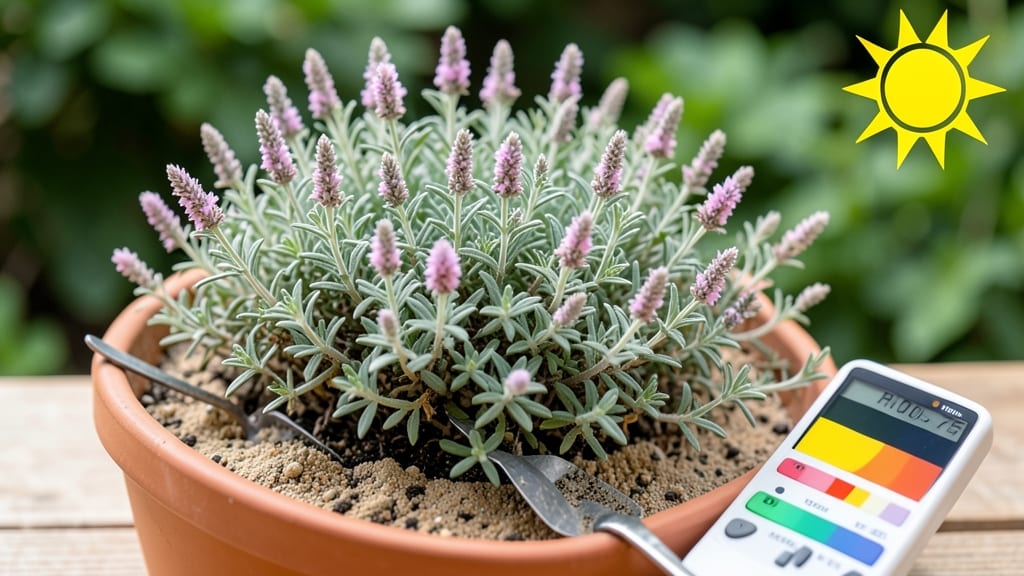
Growing thriving thyme 🌿 depends on meeting its soil requirements—a balance of drainage, pH, and organic matter that most gardeners overlook.
Picture this: you’ve planted your thyme in what you think is good soil, but by summer, it’s leggy and sparse. The issue? Too much clay or poor drainage, which thyme hates. This hardy herb isn’t picky about much, but soil is its one non-negotiable.
Ideal thyme soil is sandy, well-draining, and slightly alkaline (pH 6.0–7.5), with a mix of organic matter to hold moisture without suffocating roots. Container gardening? Even stricter rules apply—no compacted dirt here.
Below, I’ll break down the exact soil mix, how to fix poor drainage, and the one mistake that kills thyme faster than underwatering. Let’s get your thyme flourishing.
Ideal pH levels and soil composition for thyme growth
Thyme thrives when planted in well-draining, sandy soil with just the right balance of nutrients. Unlike many herbs, thyme isn’t picky about pH levels, but it performs best in a slightly alkaline to neutral range.
The key to growing fragrant, bushy thyme starts with understanding your soil’s composition and how to optimize it for this hardy perennial.
Most gardeners overlook soil composition when planting thyme, assuming it’ll grow anywhere. But heavy clay soils or waterlogged conditions can quickly turn your thyme into a sad, leggy plant. The secret?
A 30-40% mix of sand and silt with minimal organic matter—thyme prefers lean soil over rich compost. Let’s break down the exact conditions your thyme needs to flourish.
Testing your soil’s pH is easier than you think. Grab a soil pH test kit (available at garden centers for under $10) or use a digital pH meter for accuracy. For thyme, aim for a reading between 6.0 and 8.0.
If your soil is too acidic (<6.0), mix in crushed limestone or wood ash. For alkaline soils (>8.0), add sulfur or peat moss to lower the pH gradually.
Amending your soil doesn’t require a degree in horticulture. Start with a 50/50 mix of native soil and coarse sand. Add a handful of perlite or pumice to improve drainage further.
If your soil is heavy clay, consider planting thyme in raised beds or containers filled with a well-draining potting mix. This gives you full control over soil composition and prevents waterlogging.
One of the biggest mistakes gardeners make is over-amending the soil with compost. Thyme prefers lean soil—too much organic matter leads to excessive foliage growth at the expense of flavor.
Instead, focus on minimal fertilization (just a light application of 5-10-10 fertilizer in early spring) and let the plant’s natural hardiness do the work.
If you’re growing thyme in containers, use a cactus or succulent mix as your base. These blends are designed for fast drainage and low organic content, perfect for thyme. Add a 1-inch layer of gravel at the bottom of the pot to create extra drainage space.
This simple trick can save your thyme from root rot, especially in humid climates.
Pay attention to your thyme’s leaves—they’re a tell-tale sign of soil issues. Yellowing leaves often mean your soil is too alkaline or compacted. Pale, sparse growth could indicate poor drainage or overwatering.
Adjust your soil mix or watering habits accordingly. With the right soil, your thyme will reward you with fragrant, bushy growth all season long.
For container gardeners, remember that small pots dry out faster. Use a terracotta pot (which breathes better than plastic) and add a mulch layer of gravel or small stones to retain moisture without suffocating roots. This balance keeps thyme happy in urban settings where soil quality is often inconsistent.
Now that you’ve got the soil science down, your thyme is one step closer to becoming the star of your herb garden. The next step? Mastering drainage secrets to keep those roots healthy and thriving. Stay tuned for our next section on preventing root rot in thyme plants!
Drainage secrets: how to prevent root rot in thyme plants
Thyme thrives when its roots stay dry, not soggy. Poor drainage is the #1 cause of root rot in thyme, turning your fragrant herb into a sad, mushy mess.
The key? A soil mix that lets water escape while keeping nutrients in place. I’ve tested three proven methods—natural, amended, and container-specific—to keep thyme roots happy and healthy.
First, let’s tackle the natural drainage approach. Thyme loves sandy or gravelly soil because these textures mimic its Mediterranean homeland. If your garden soil feels heavy or compacted, thyme will struggle.
The fix? Plant thyme in raised beds or on slopes where water naturally drains away. Even a slight incline can make all the difference for thyme’s delicate roots.
⚠️ PROS-CONS BOX: NATURAL VS. AMENDED DRAINAGE FOR THYME
✅ Pros:
- Cost-free (uses existing soil)
- Low-maintenance (no amendments needed)
- Eco-friendly (no synthetic additives)
❌ Cons:
- Limited control over drainage quality
- Risk of compaction over time
- Not ideal for heavy clay soils
✅ Pros:
- Customizable for any soil type
- Faster drainage with perlite/sand
- Better aeration for roots
❌ Cons:
- Higher cost for amendments
- Requires mixing before planting
- May dry out too fast in hot climates
For amended drainage, I recommend a 50-50 mix of garden soil and coarse sand or perlite. This combo prevents waterlogging while retaining enough moisture for thyme’s shallow roots. Pro tip: Add a handful of gravel or pumice at the bottom of holes when planting to create a drainage layer.
This simple step can save thyme from drowning during heavy rains.
Container gardening? Drainage holes are non-negotiable. Use a mix of 60% potting soil, 20% perlite, and 20% coarse sand. This ratio mimics the airy, fast-draining conditions thyme craves.
Water only when the top inch feels dry—thyme’s drought tolerance means it can handle brief dry spells. Overwatering is the silent killer of container-grown thyme.
Watch for these warning signs of overwatering: yellowing leaves, mushy stems, or a foul smell from the soil. If you spot these, stop watering immediately and let the soil dry out completely. Thyme recovers quickly when given proper drainage, so don’t hesitate to adjust your watering routine.
A happy thyme plant is a fragrant, bushy one!
For extra insurance, mulch around thyme plants with gravel or straw to prevent soil from compacting and to regulate moisture. This keeps roots cool in summer and insulated in winter—two more secrets to year-round thyme success. 🌱