
How To
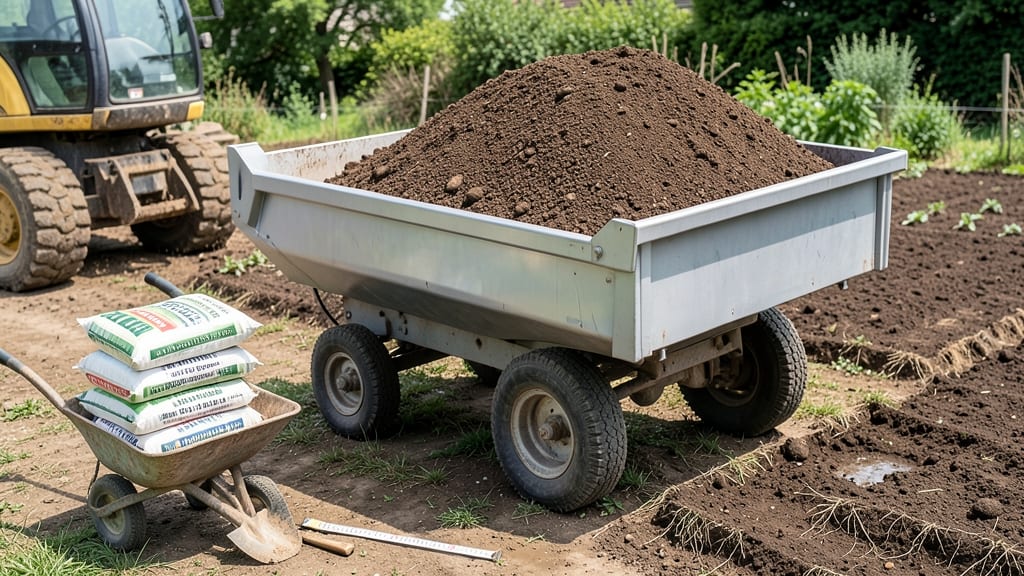
Delivered topsoil costs in 2024 average $15 to $35 per cubic yard, varying by soil type (screened, compost-enriched, or clay-heavy) and delivery distance, with bulk discounts kicking in for orders over 10 yards. Expect extra fees for setup or long-distance hauling from local suppliers.
Understanding these costs helps you budget effectively. 🔥 The price jumps for specialty blends like compost-amended topsoil, which can cost up to $50 per yard due to organic matter content.
Delivery fees typically start at $50 for local drops but climb with distance—some suppliers charge $1-$2 per mile beyond their standard service radius. I always recommend getting multiple quotes, as prices can vary 20-30% between suppliers for the same soil type.
For large projects, timing matters too. Spring and fall are peak seasons when demand (and prices) spike, while winter orders often qualify for discounts. Bulk purchases of 20+ yards can sometimes cut per-yard costs by 10-15%, making it worth calculating your exact needs.
Pro tip: Measure your area in square feet, then divide by 27 to estimate cubic yards—this prevents overordering and wasted money.
💡 In This Article
- Factors Influencing Top Soil Delivery Pricing
- How to Estimate and Save on Top Soil Delivery
Factors influencing top soil delivery pricing
The type of topsoil you choose directly impacts the price tag. Screened topsoil, which has been sifted to remove debris, typically costs $15-$25 per cubic yard because it requires extra processing.
In contrast, compost-blend topsoil, enriched with organic matter for better plant growth, can jump to $30-$50 per yard due to the added materials and labor.
The difference comes down to composition: compost blends contain 20-30% organic content, while standard screened soil may have only 5-10% organic material. 💫
Delivery distance plays a huge role in final costs. Most suppliers offer a base radius (usually 10-20 miles) where delivery fees are flat at $50-$100. Beyond that, expect $1-$2 per mile surcharges. For example, hauling 10 yards of soil 50 miles could add $200-$400 to your bill.
Truck capacity also matters: larger trucks (with 12-15 cubic yard loads) spread fixed delivery fees across more material, reducing per-yard costs for big orders.
Seasonal demand creates price fluctuations you can exploit. Spring and fall see 20-30% higher prices due to gardening rushes, while winter orders often qualify for 10-15% discounts.
Supplier markup variations also exist—some charge premiums for "premium" soil grades or add $2-$5 per yard for "premium delivery" services (like unloading at your door). Always ask if the quoted price includes spreading assistance, as some suppliers charge extra for this service.
Truck capacity and fuel costs create hidden pricing tiers. A 10-yard truck may charge $200 total for delivery, while a 20-yard truck might charge $250—meaning your per-yard cost drops from $20 to $12.50 when you order more.
Fuel prices (which suppliers track daily) can also cause 5-10% price swings in delivery fees. Some suppliers offer "off-peak" delivery windows (early mornings or weekends) at reduced rates, which can save you $50-$100 on large orders.
Local regulations sometimes add unexpected costs. Some municipalities require special permits for large soil deliveries (especially compost blends), adding $50-$200 to your bill. Additionally, weight restrictions on certain roads may force suppliers to make multiple trips, increasing fees.
Always verify if your project location has any soil delivery restrictions before ordering. The best way to avoid surprises? Call 3-4 local suppliers and ask for a detailed breakdown of their pricing structure.
Here's what actually drives the biggest cost swings:
- Soil composition: Organic matter content adds $10-$25 per yard to premium blends
- Distance: Every 10 miles beyond base radius adds $10-$20 per yard
- Season: Peak seasons increase prices by 20-30% compared to off-season
- Order size: Bulk discounts kick in at 10+ yards, saving 10-15%