
How To
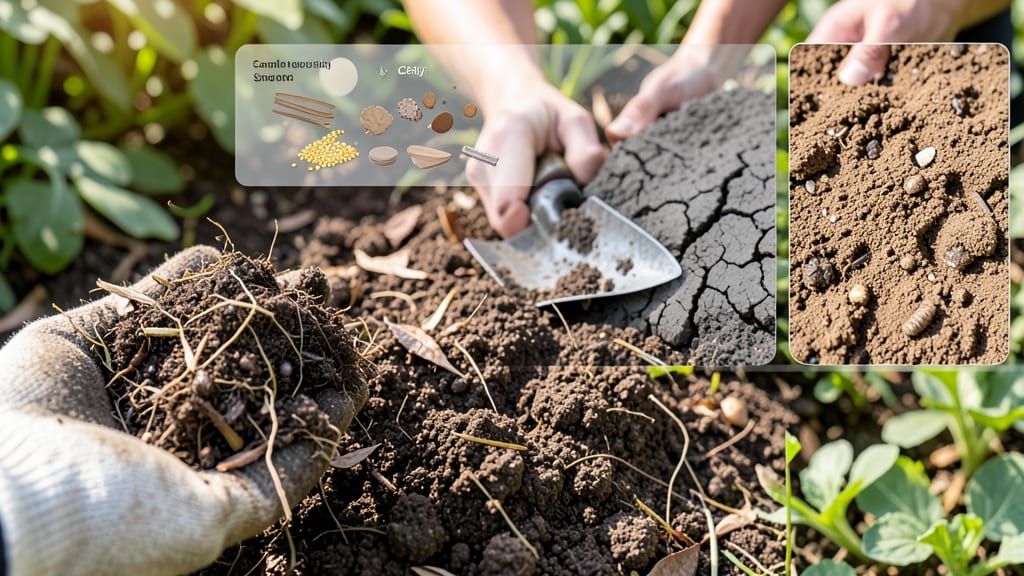
Soil amendment improves soil quality by incorporating organic or inorganic materials that boost fertility, drainage, and nutrient retention for stronger plant roots and healthier growth. Popular options like compost, peat moss, and lime target specific soil issues.
Soil amendment essentially acts like a soil "vitamin boost," helping plants thrive by fixing problems like poor drainage or nutrient deficiencies. 🌱 For example, compost adds organic matter that improves water retention, while lime raises pH levels for acid-loving plants.
The key is matching your soil's specific needs—whether it's too compacted, too sandy, or lacking essential minerals.
This process isn't just about throwing materials on the ground—it's about understanding how different amendments interact with your existing soil. Clay soils benefit from sand or perlite to improve aeration, while sandy soils need organic matter to hold moisture.
I always recommend testing your soil first to avoid over-amending, which can create new problems like salt buildup.
💡 In This Article
- How Soil Amendment Works: Science Behind Fertility Boosts
- Choosing the Right Soil Amendments for Your Garden
How soil amendment works: science behind fertility boosts
Soil amendment transforms your garden's foundation by altering its physical, chemical, and biological properties at a microscopic level. When you add compost, for example, the organic matter breaks down through microbial activity, releasing nutrients like nitrogen, phosphorus, and potassium in forms plants can absorb.
This process also creates tiny air pockets between soil particles, improving oxygen flow to roots—a critical factor for root health. The microbial population explodes, with beneficial bacteria and fungi forming symbiotic relationships with plant roots, enhancing nutrient uptake by up to 30% compared to unamended soil.
The magic happens through three key mechanisms: structure modification, pH adjustment, and nutrient release. Organic amendments like peat moss or coconut coir increase water retention by 50-100% in sandy soils, while inorganic amendments like perlite improve drainage in heavy clay.
Lime, for instance, raises pH levels by neutralizing acidic soils through calcium carbonate reactions—critical for plants like blueberries that require pH 4.5-5.5. The physical texture changes too: adding 1-2 inches of compost can transform compacted clay into a crumbly, workable medium within 3-6 months of decomposition.
What most gardeners don't realize is how amendments create a cascade effect in soil ecosystems. When you add compost, it doesn't just feed plants—it feeds the soil food web. Earthworms multiply, fungal networks expand, and beneficial microbes proliferate, creating a self-sustaining nutrient cycle.
This biological activity produces chelated minerals that plants absorb more efficiently than synthetic fertilizers. For example, mycorrhizal fungi—common in well-amended soils—can extend a plant's root system by 1000% through underground hyphal connections, dramatically improving drought resistance.
Different materials work through distinct chemical processes. Gypsum, for instance, improves clay soils by replacing sodium ions with calcium, preventing soil particles from sticking together. The calcium also strengthens cell walls in plants, making them more resilient to disease.
Meanwhile, sulfur-based amendments lower pH by producing hydrogen ions when oxidized by soil microbes—a process that can take 6-12 months to fully manifest. The key is understanding which chemical reactions your specific soil needs to trigger these transformations.
Consider the case of a vegetable garden with poor drainage. Adding 3-4 inches of compost combined with 10% perlite by volume creates ideal conditions: the compost holds moisture while the perlite prevents waterlogging. The microbial activity then breaks down organic matter, releasing nutrients gradually over 2-3 months.
This dual approach solves both physical and chemical problems simultaneously, demonstrating how targeted amendments can address multiple soil issues at once.
Temperature plays a surprising role too. Soil microbes work most efficiently between 60-85°F, which is why spring and fall are ideal times for amendment applications. In colder climates, microbial activity slows dramatically below 50°F, delaying the benefits.
This is why I always recommend applying amendments in early spring—giving microbes the 8-12 week growing season they need to establish before peak plant growth begins.