
How To
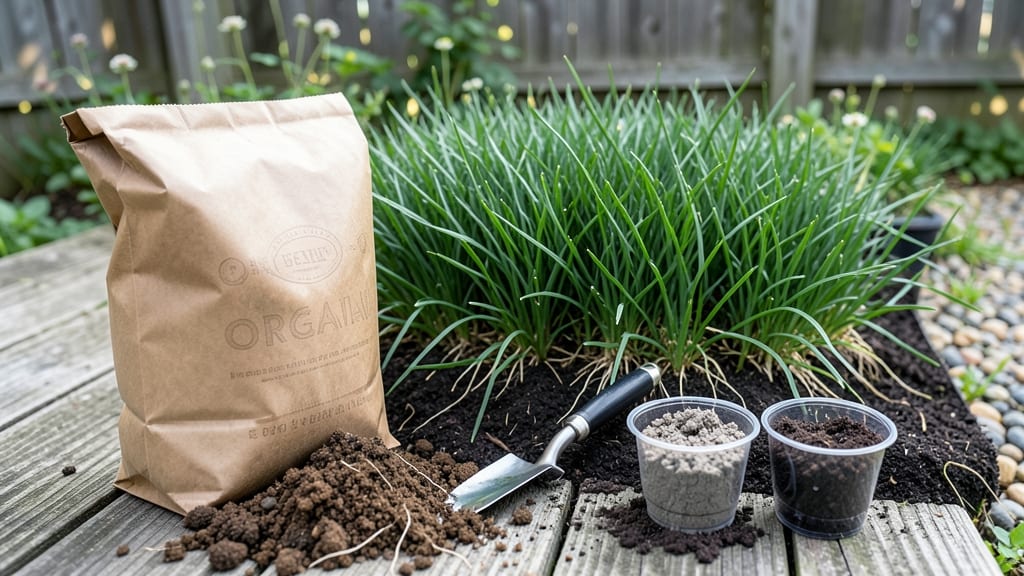
Soil conditioner is used for improving soil health by breaking up compacted earth, increasing water retention, and enriching nutrient levels, which helps plants develop stronger roots, grow faster, and produce higher-quality yields in both garden beds and agricultural fields.
Soil conditioners work by introducing organic matter like compost or synthetic amendments such as perlite, which loosen dense soil and create pockets for air and water. 🌱 This process mimics natural decomposition, feeding beneficial microbes that break down nutrients into forms plants can absorb.
I’ve seen firsthand how adding conditioner transforms hardpan soil into a fluffy medium where roots spread easily—especially important for heavy clay or sandy soils that drain too quickly or become waterlogged.
Beyond physical changes, conditioners often contain microbial additives that outcompete harmful pathogens, reducing disease pressure in plants. For example, worm castings introduce beneficial bacteria that help decompose organic material faster, while peat moss retains moisture without suffocating roots.
The key is matching the conditioner to your specific soil type—sandy soils need water-holding amendments, while clay benefits most from organic matter to improve drainage.
💡 In This Article
- How Soil Conditioners Transform Soil Chemistry
- Best Soil Conditioners for Different Plant Types
How soil conditioners transform soil chemistry
Soil conditioners work their magic through a combination of physical and biological processes that fundamentally alter soil structure at the microscopic level. Organic conditioners like compost or coconut coir introduce humic acids—complex molecules that bind to soil particles and create stable aggregates.
These aggregates act like tiny sponges, holding 3-5 times their weight in water while preventing compaction. The result? Roots encounter 20-30% more oxygen in the soil, which is crucial for energy production through respiration.
Microbial activity is where the real transformation happens. Conditioners provide food for beneficial bacteria and fungi, which then break down organic matter into plant-available nutrients like nitrogen, phosphorus, and potassium through a process called mineralization.
For example, mycorrhizal fungi—often found in organic conditioners—form symbiotic relationships with plant roots, extending their reach by up to 100 times the root length. This fungal network acts like a natural superhighway for nutrient delivery, especially in nutrient-poor soils.
The pH balancing effect is often overlooked but critical. Many conditioners contain lime or sulfur compounds that gradually adjust soil acidity (pH) toward the neutral range (6.0-7.0), where most plants thrive. For instance, peat moss can lower pH in alkaline soils, while compost often raises it slightly.
The microbial communities introduced also produce organic acids that help dissolve mineral nutrients locked in soil particles, making them accessible to plants. This chemical unlocking explains why conditioned soil can yield 25-50% more in vegetable gardens compared to untreated soil.
One of the most dramatic changes occurs in compacted soils. Conditioners introduce air pockets by physically breaking up clay particles and filling voids between sand grains. In heavy clay soils, this can reduce bulk density by 15-20%, allowing roots to penetrate deeper.
The improvement isn't just about aeration—it's about creating an environment where beneficial microbes can thrive. These microbes then produce enzymes that further degrade compacted soil structure, creating a positive feedback loop of soil improvement over time.
Consider the case of sandy soils, where water drains too quickly. Organic conditioners like compost or peat moss can increase water retention by 50-100% by adding colloidal particles that hold moisture through capillary action.
This moisture retention isn't just about irrigation efficiency—it's about maintaining consistent soil moisture levels that roots prefer. The same principle applies to waterlogged soils, where conditioners improve drainage while preventing oxygen deprivation that leads to root rot.
What most gardeners don't realize is that soil conditioners also act as natural buffers against environmental stresses. The improved microbial communities help plants better withstand drought by maintaining moisture and temperature stability in the root zone.
During heavy rains, conditioned soils resist erosion 3-5 times better than untreated soils due to the stable aggregates that prevent particle detachment. This structural integrity is particularly valuable in sloped garden beds or container gardens where erosion is a constant challenge.