
Plants
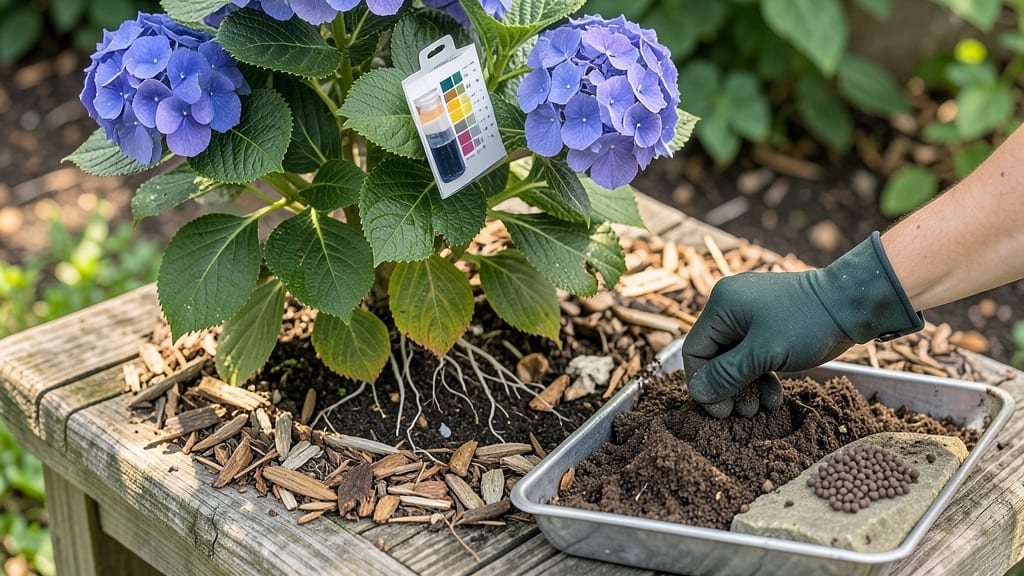
Hydrangeas prefer well-draining, acidic soil with a pH between 5.2 and 6.0, enriched with organic matter like compost or peat moss. Alkaline soil can cause poor blooms and yellowing leaves.
Hydrangeas are picky about their growing conditions, and soil acidity plays a huge role in their health and color. 🌸 The ideal pH range helps them absorb essential nutrients like iron and manganese, which keep leaves vibrant and blooms abundant.
I’ve found that testing soil pH with a simple kit (available at garden centers) makes a world of difference—many gardeners overlook this step until they notice faded flowers or stunted growth.
Beyond pH, the soil mix matters just as much. Hydrangeas hate soggy roots, so amending clay-heavy soil with perlite or sand improves drainage while retaining moisture. Organic matter like compost or well-rotted leaves feeds the roots, while amendments like sulfur or pine needles help maintain that crucial acidity.
Think of it like creating a spa environment for your plants—just the right balance keeps them thriving.
💡 In This Article
- How Soil pH Affects Hydrangea Bloom Colors
- Best Soil Mixes and Amendments for Hydrangeas
How soil pH affects hydrangea bloom colors
Hydrangeas produce their signature blue or pink blooms thanks to two pigments: anthocyanins (blue) and delphinidin (pink). The soil's acidity level directly influences which pigment dominates. In acidic soil (pH 5.2-5.5), aluminum becomes more available, which enhances the blue pigment.
Conversely, in slightly less acidic soil (pH 5.8-6.0), the pink pigment shines through. This isn't just a visual trick—it's a chemical reaction where pH alters the plant's ability to absorb aluminum ions, which bind to the pigments and change their color. 🌸
The difference is dramatic: a pH of 5.2 might yield deep blues, while 5.8 could produce soft pinks. For example, the popular 'Endless Summer' hydrangea can shift from blue to pink in just a few weeks if the soil pH changes by 0.5 units.
Testing your soil with a reliable kit (like the LaMotte Soil pH Test Kit) gives precise readings—simply mix soil with distilled water and compare the color to the chart. Most garden centers sell these for under $10, and they’re far more accurate than DIY vinegar/baking soda tests.
This pH sensitivity explains why hydrangeas often struggle in alkaline soil (pH 7.0+). Without enough aluminum, the pigments can’t develop properly, leading to dull, muted blooms or even yellowing leaves due to nutrient deficiencies.
Iron and manganese—essential for green foliage—become locked out in alkaline conditions, causing chlorosis (yellowing between leaf veins). The fix? Regular pH checks and amendments like sulfur or pine needles to keep the soil in the ideal range.
What most gardeners don’t realize is that hydrangeas can’t change their bloom color overnight—they need consistent pH levels for at least a full growing season to show the new hue.
If you’re aiming for blue blooms, aim for a pH of 5.2-5.5; for pink, target 5.8-6.0. The transition isn’t instant, but the payoff—vibrant, show-stopping flowers—is worth the patience. 💫
For those who love experimenting, you can even create a "color-changing" hydrangea by splitting the roots and planting half in acidic soil and half in slightly less acidic soil. Over time, one side will turn blue while the other stays pink, creating a stunning visual contrast.
Just be sure to keep the soil consistently moist—hydrangeas hate dry spells, and stress from drought can override even the perfect pH balance.
Pro tip: If your soil tests too alkaline, don’t panic. Amending with elemental sulfur (1-2 pounds per 100 square feet) or organic matter like peat moss can lower the pH gradually. For a quicker fix, top-dress with pine needles or oak leaf mulch—they release natural acids as they decompose.
Think of it like adjusting the acidity in a recipe: small, measured changes make all the difference. ✨