
How To
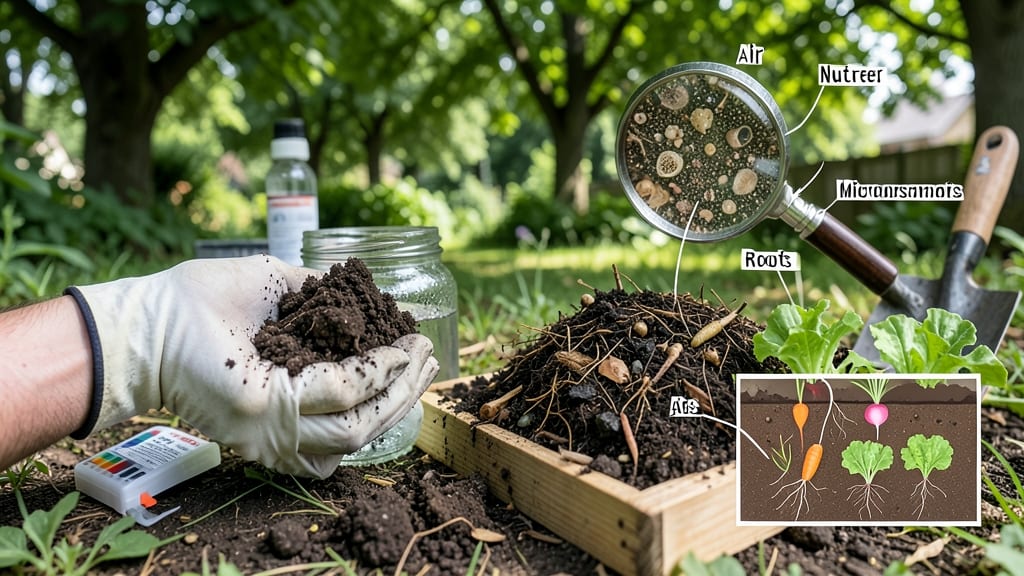
Soil is used for supporting plant growth by providing essential nutrients, water retention, and root anchorage, while also regulating temperature, filtering pollutants, and sustaining ecosystems through microbial activity and organic matter decomposition.
Soil isn't just dirt—it's a living ecosystem that fuels everything from backyard gardens to global food production. 🌱 The nutrients it holds, like nitrogen, phosphorus, and potassium, act like plant vitamins, while its structure determines how well water drains or holds moisture.
Beyond growing crops, soil also acts as nature's filter, breaking down contaminants and stabilizing temperatures to protect roots from extreme heat or cold.
Think of it as the foundation for life: healthy soil means stronger plants, cleaner water, and even better air quality.
In gardening, the right soil mix can mean the difference between thriving tomatoes and wilting herbs—whether you're working with clay, loam, or sandy soil, understanding its composition helps you amend it for peak performance.
💡 In This Article
- How Soil Supports Plant Growth and Ecosystem Stability
- Practical Soil Uses in Gardening and Agriculture
How soil supports plant growth and ecosystem stability
Soil acts as a dynamic ecosystem where microscopic life—like bacteria, fungi, and earthworms—works tirelessly to break down organic matter into essential nutrients. This process, called decomposition, releases nitrogen, phosphorus, and potassium, the "big three" nutrients plants crave.
For example, nitrogen fuels leafy growth, while phosphorus strengthens roots and flowers. A single teaspoon of healthy soil can contain billions of microbes, each playing a role in this nutrient cycle. Without this microbial network, plants would starve, even in fertile-looking soil. 🌱
The soil's structure—its mix of sand, silt, and clay—determines how well it retains water and air. Sandy soil drains quickly but lacks moisture retention, while clay holds water but can suffocate roots by trapping too much.
Loam, the ideal mix, balances drainage and water-holding capacity, allowing roots to breathe while accessing nutrients. For instance, a 60% sand, 30% silt, 10% clay ratio creates an optimal environment for most plants, preventing both drought and waterlogging.
This balance also regulates temperature, keeping roots cool in summer and insulated in winter.
Beyond nutrients, soil filters water by trapping pollutants like heavy metals and pesticides through adsorption—a process where contaminants stick to soil particles. Wetlands, for example, act as natural filters, removing up to 90% of nitrogen from runoff before it reaches rivers.
This filtration isn’t just about cleaning water; it also protects plants from toxic buildup, ensuring they absorb only what they need. The soil’s ability to detoxify makes it a critical player in both agriculture and environmental health. 🌍
Soil also stores carbon, a vital climate regulator. Organic matter—like decomposed leaves and plant residues—locks away carbon dioxide, reducing greenhouse gas levels. Healthy soil can sequester 1-2 tons of carbon per acre, more than forests in some cases.
This carbon storage helps mitigate climate change while improving soil fertility, creating a feedback loop where healthier soil supports both plants and the planet. The key here is organic matter: aim for at least 5% organic content to maintain this balance.
Microbes in soil don’t just recycle nutrients—they also produce growth hormones and antibiotics that protect plants. For example, certain bacteria release auxins, which stimulate root growth, while others suppress harmful pathogens. This microbial "teamwork" reduces the need for synthetic fertilizers and pesticides, making soil a natural ally in sustainable farming.
In fact, studies show that soils with diverse microbial communities can increase crop yields by up to 20-30% without extra inputs. 🔬
Consider the role of mycorrhizal fungi, which form symbiotic relationships with plant roots. These fungi extend the root system, allowing plants to access water and nutrients from a wider area. Without them, many plants—like orchids or trees—would struggle to thrive.
This underground network also helps plants communicate, sharing warnings about pests or drought conditions through chemical signals. It’s like a hidden internet beneath our feet, connecting every plant in the ecosystem. 🌿