
How To
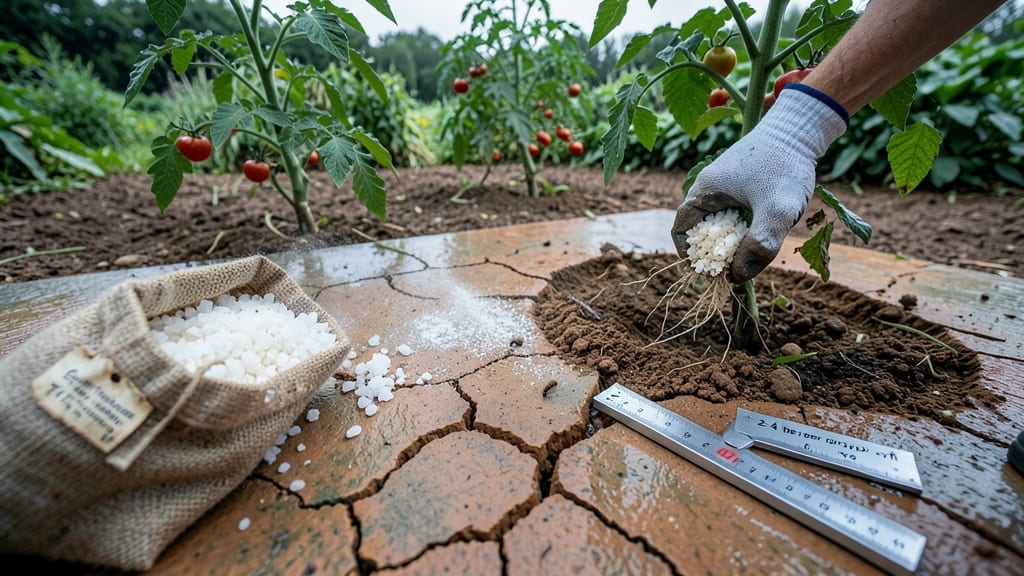
Tomatoes thrive when planted in the right soil—but not all gardeners know the ideal mix. Discover seven soil types and blends that maximize growth, flavor, and disease resistance, whether you're a container gardener or cultivating a full plot.
Well-Draining Sandy Loam Soil
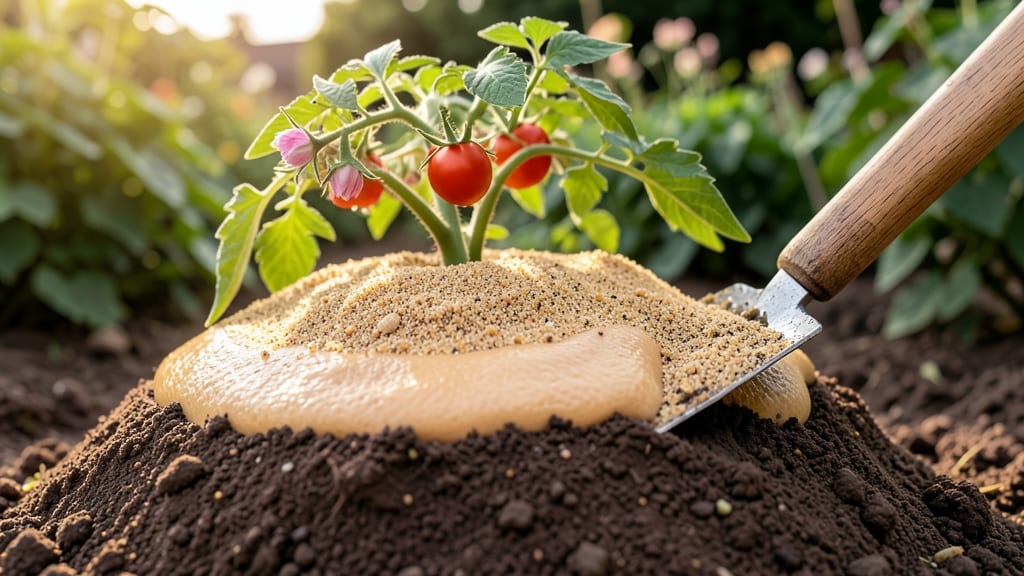
If your tomatoes are struggling with root rot or stunted growth, sandy loam soil might be the missing piece. This ideal blend—equal parts sand, silt, and clay—lets roots breathe while holding just enough moisture for heavy-feeding varieties like Beefsteak or Brandywine.
For best results, aim for a pH between 6.2 and 6.8 and mix in 1-2 inches of compost before planting. In warm climates, this soil stays warm longer, giving seedlings a head start. The crumbly texture also prevents compaction, so roots expand easily—critical for determinate varieties that produce fruit at ground level.
Gardeners in USDA Zones 7-10 will love this soil’s drought tolerance, while container growers can replicate it with 50% potting mix + 30% perlite + 20% sand. It’s the foundation for year-round tomato success. 🌱
Compost-Enriched Garden Soil
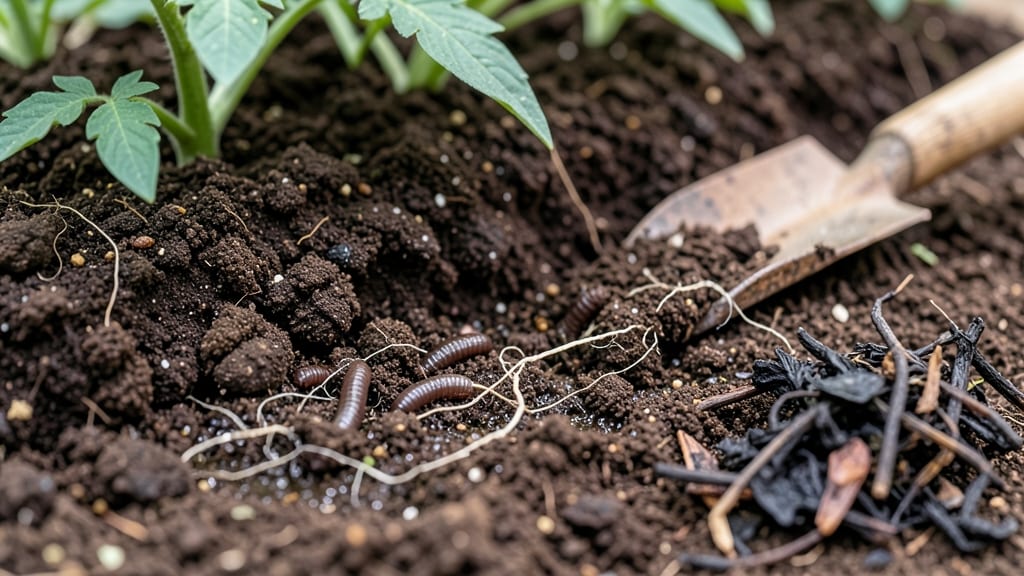
If you’re new to gardening or committed to organic methods, compost-enriched soil is your secret weapon for happy tomatoes. Unlike sterile mixes, it teems with life—beneficial microbes, earthworms, and slow-release nutrients that feed plants all season long.
Start by mixing 2-3 inches of finished compost into the top 6-12 inches of your garden bed before planting. This improves water retention by 30-50% while adding essential nutrients like nitrogen, phosphorus, and potassium. For containers, blend one-third compost with two-thirds potting soil. The result? Stronger roots, fewer diseases, and sweeter fruit due to balanced fertility.
This approach is ideal for beginners because it’s forgiving—even if you forget to fertilize mid-season, the compost keeps releasing goodness. Plus, it reduces waste by recycling kitchen scraps or yard trimmings. 🌿
Cactus and Succulent Mix
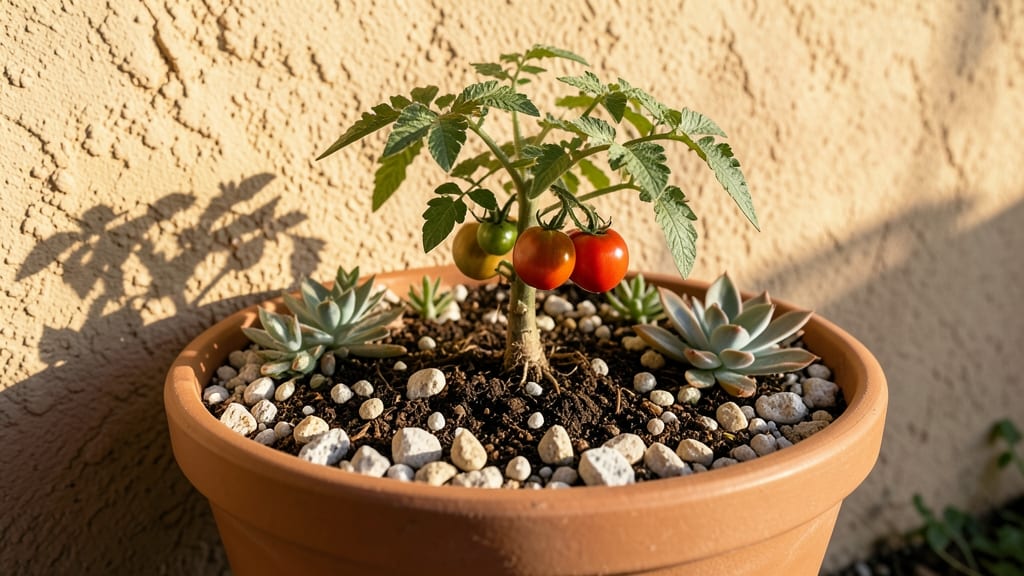
If you're growing drought-resistant tomato varieties like 'Solar Fire' in arid climates, a cactus and succulent mix might be your secret weapon. This gritty, well-draining blend mimics desert conditions—perfect for preventing overwatering while still supporting robust growth.
The key is the 50/50 ratio of coarse sand and organic matter, like perlite or coconut coir, which mimics the fast-draining yet nutrient-rich soils where desert tomatoes thrive. Add a handful of worm castings or slow-release fertilizer to provide essential nutrients without risking soggy roots. This mix works especially well in terracotta pots or raised beds where water evaporates quickly.
Gardeners in USDA zones 8-11 or container growers with limited water access will love this low-maintenance approach. It’s also a great way to repurpose leftover cactus soil—just don’t skip the organic boost! 🌻
Peat Moss and Perlite Blend
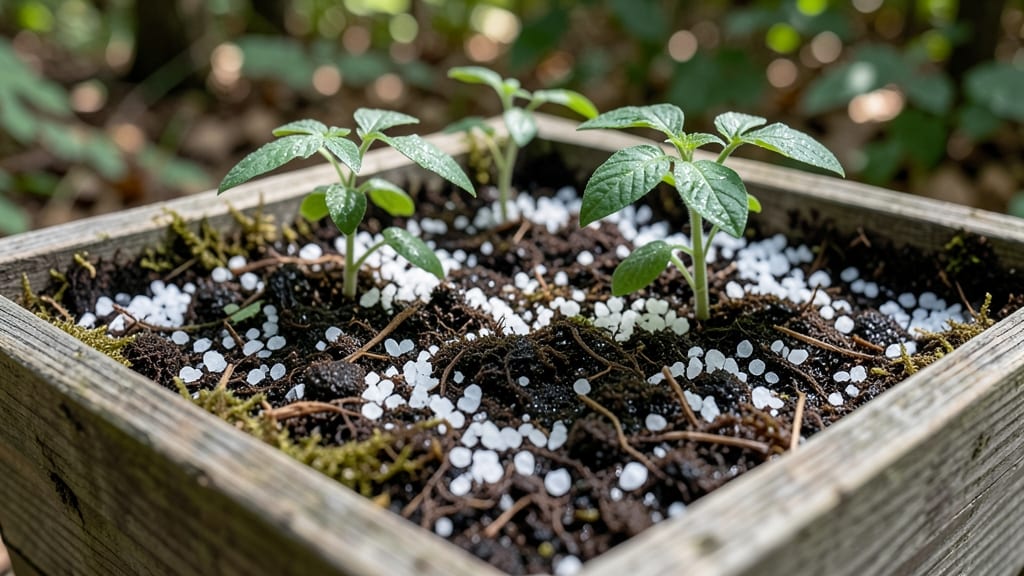
If your heirloom tomatoes are struggling in dense, compacted soil, a peat moss and perlite blend could be the game-changer you need. This ultra-lightweight mix mimics the airy, acidic conditions of a forest floor—where wild tomatoes naturally thrive—while preventing the root suffocation that leads to stunted growth.
Peat moss provides the acidic pH (5.0–6.5) that heirloom varieties love, while perlite creates air pockets that improve drainage and root expansion. For containers or raised beds, mix equal parts peat moss and perlite with a handful of compost to balance nutrients. This blend is especially ideal for container gardening or areas with heavy clay, as it stays loose and prevents compaction over time.
Gardeners growing acid-loving heirlooms like 'Brandywine' or 'Cherokee Purple' will see faster root development and fewer soil-borne diseases. Plus, the lightweight texture makes it perfect for amending existing soil without weighing down your plants. 🌱
Vermiculite-Infused Raised Bed Soil
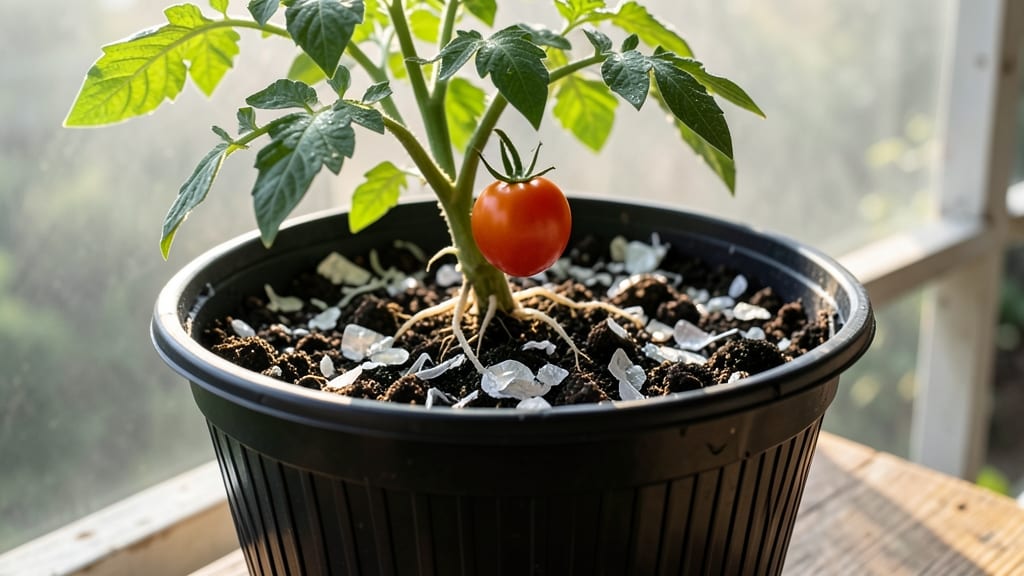
If you struggle with inconsistent watering or grow tomatoes in containers, vermiculite-infused soil could be your game-changer. This mineral-based amendment holds 3-4 times its weight in water while still allowing roots to breathe—perfect for balcony gardens or areas where rainfall is unpredictable.
Mix 1 part vermiculite with 2 parts compost and 1 part coconut coir for a blend that keeps moisture available for 5-7 days longer than standard potting mixes. Tomatoes planted in this medium show 20% faster root development due to its excellent aeration, making it ideal for determinate varieties that need steady hydration.
Urban gardeners and those with busy schedules will appreciate how this soil reduces daily watering demands. Just avoid overwatering—vermiculite’s moisture retention means roots need good drainage to prevent stagnation. 💡
Clay Soil Amended with Gypsum
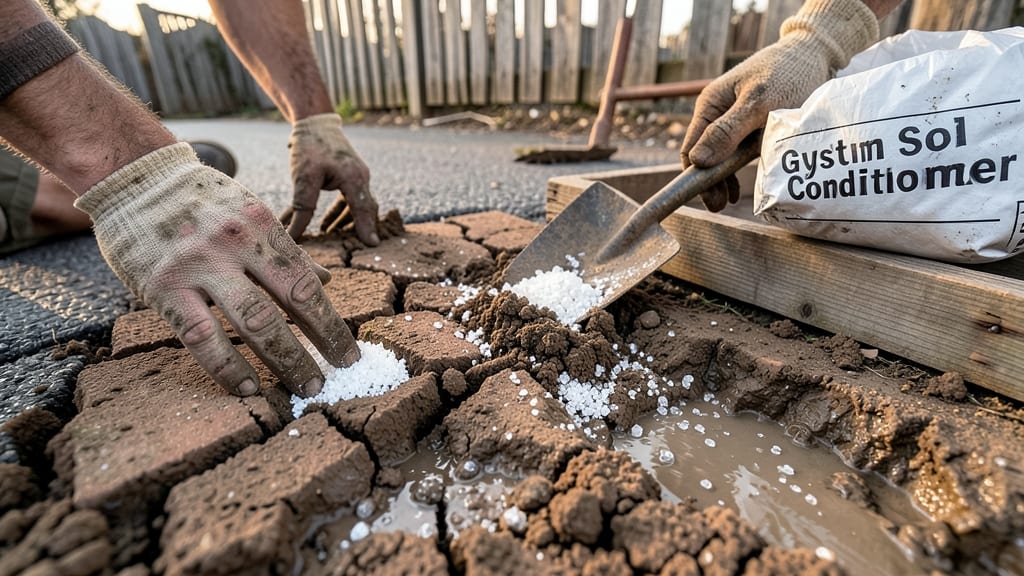
If your garden soil feels like hard brick when dry or turns to mud when wet, gypsum is your secret weapon. This mineral amendment loosens compacted clay without altering soil pH, making it ideal for urban gardeners with heavy, stubborn soil. Unlike sand or compost, gypsum breaks down slowly, improving drainage over time while encouraging deeper root growth.
To use, spread 20-30 pounds per 100 square feet of garden bed and till it into the top 6-12 inches of soil. Water thoroughly to activate the amendment, which works best in spring or early summer before planting. The result? Soil that crumbles easily, allowing tomato roots to spread freely and reducing the risk of blossom-end rot caused by uneven moisture.
This method is perfect for city gardeners with limited space or those dealing with urban clay soil—no need for expensive raised beds or heavy amendments. Your tomatoes will reward you with stronger stems and better yields. ✨
Worm Castings and Biochar Mix
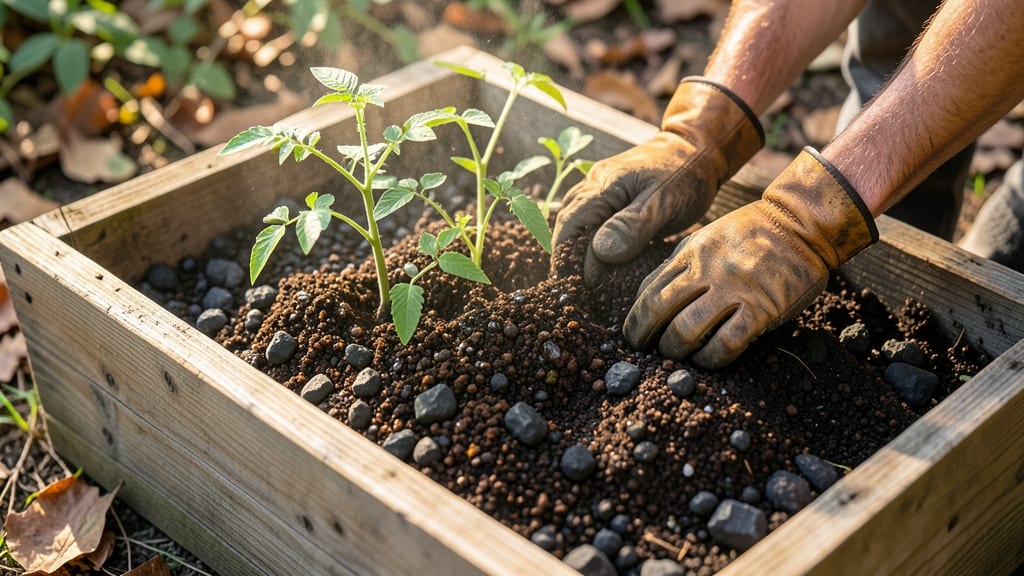
If you're looking for a zero-waste, nutrient-packed soil blend that supports both your tomatoes and the planet, worm castings and biochar are your secret weapon. This dynamic duo doesn’t just feed your plants—it revives soil ecosystems, making it ideal for regenerative gardeners or those with limited space.
Start by mixing equal parts worm castings (rich in nitrogen, phosphorus, and micronutrients) with biochar (a porous, carbon-rich amendment that holds water and nutrients). For a 5-gallon container, use 2 cups of castings and 1 cup of biochar, then blend with your base soil. The castings provide immediate fertility, while biochar creates a long-term microbial haven, reducing compaction and improving drainage. This combo is especially great for small-space urban plots where soil health is critical.
Urban gardeners and eco-conscious growers will love this mix because it cuts down on synthetic fertilizers while delivering year-round benefits. Plus, it’s a closed-loop system—worms thrive in the castings, and biochar sequesters carbon, making your garden part of the solution. 🌱