
Plants
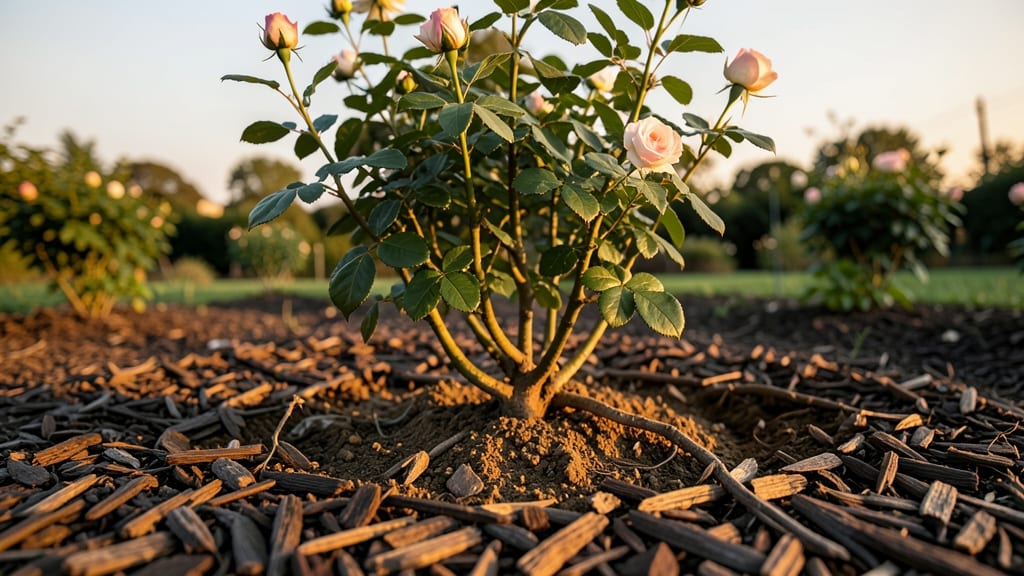
Struggling with wilted roses or weak stems? The secret to thriving roses lies in their soil. Discover the 10 ideal soil types and blends that promote vibrant blooms, disease resistance, and deep root systems for your garden.
Well-Draining Loamy Garden Soil
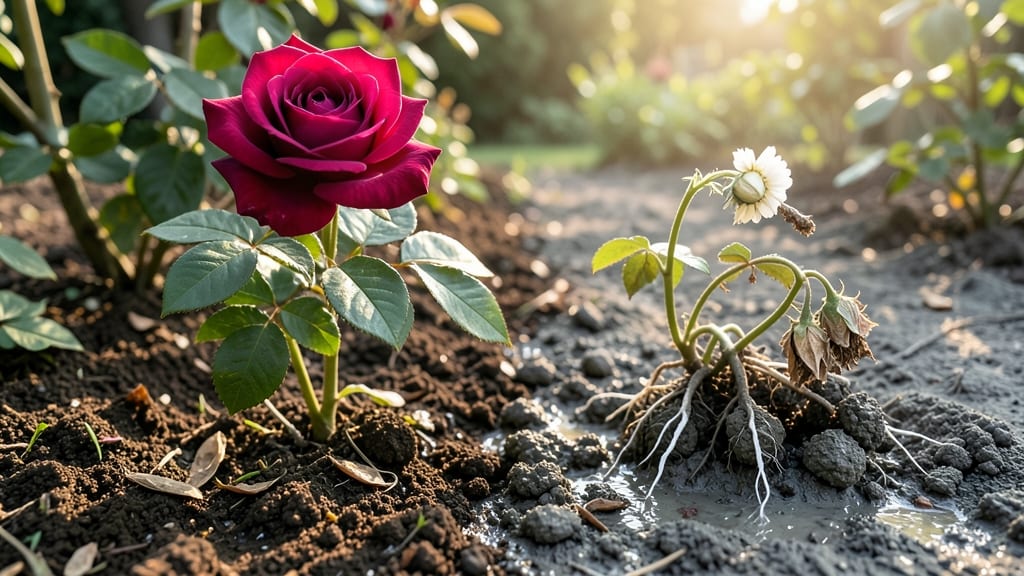
If you’ve ever wondered why some roses bloom like showstoppers while others struggle, the answer might be hiding in your soil. Well-draining loamy soil is the secret weapon for hybrid teas and floribundas, offering the perfect balance of moisture, air, and nutrients—without the guesswork.
This ideal mix—about 40% sand, 40% silt, and 20% clay—holds just enough water to keep roots hydrated while preventing soggy conditions that invite root rot. For beginners, it’s the easiest soil to work with: simply amend heavy clay with compost or lighten sandy soil with peat moss. Aim for a pH between 6.0 and 6.5—roses love slightly acidic to neutral conditions.
Most gardeners see dramatic improvements in bloom size and stem strength within a single season. Perfect for in-ground plantings or raised beds, this soil type reduces maintenance while maximizing results. 🌱
Sandy Soil with Organic Matter
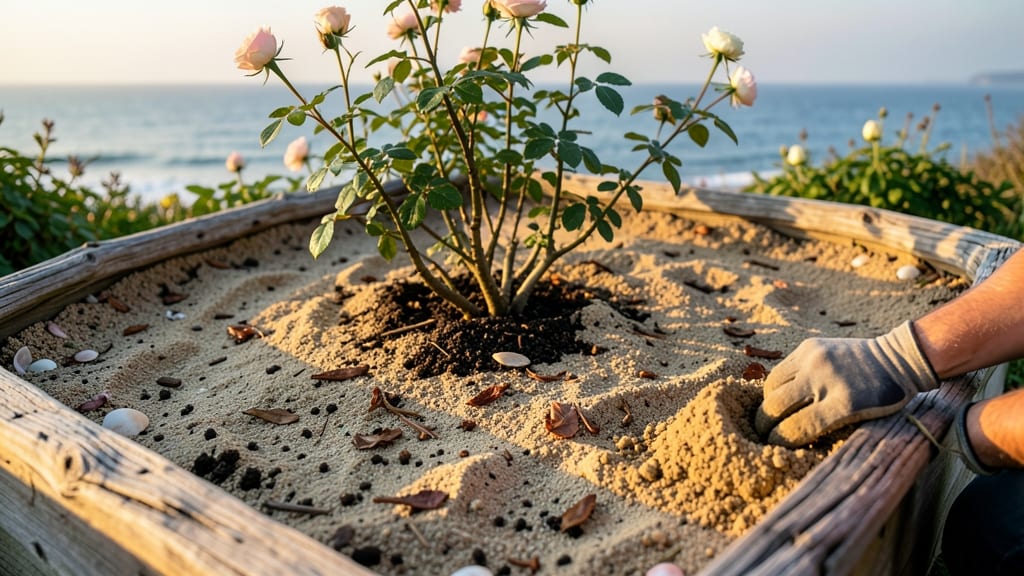
If you live in a coastal or high-rainfall region, sandy soil with organic matter might be your rose garden’s secret weapon. Unlike heavy clay or pure sand, this blend drains excess water while retaining just enough moisture to keep roots happy—critical for preventing root rot in wet climates.
Start with native sand and amend it with 20-30% compost or well-rotted leaf mold to improve nutrient retention. For wild roses and species roses (like Rosa rugosa or Rosa arkansana), this soil mimics their natural habitats. Mulch with pine needles or straw to lock in moisture and deter weeds. Test your soil’s pH—aim for 6.0 to 6.5, adjusting with lime if needed.
This approach is ideal for gardeners in sandy regions or those with poorly draining soil who want to avoid soggy roots. It’s also perfect for urban gardeners with limited space to create a thriving rose bed. 🌻
Peat Moss and Perlite Mix
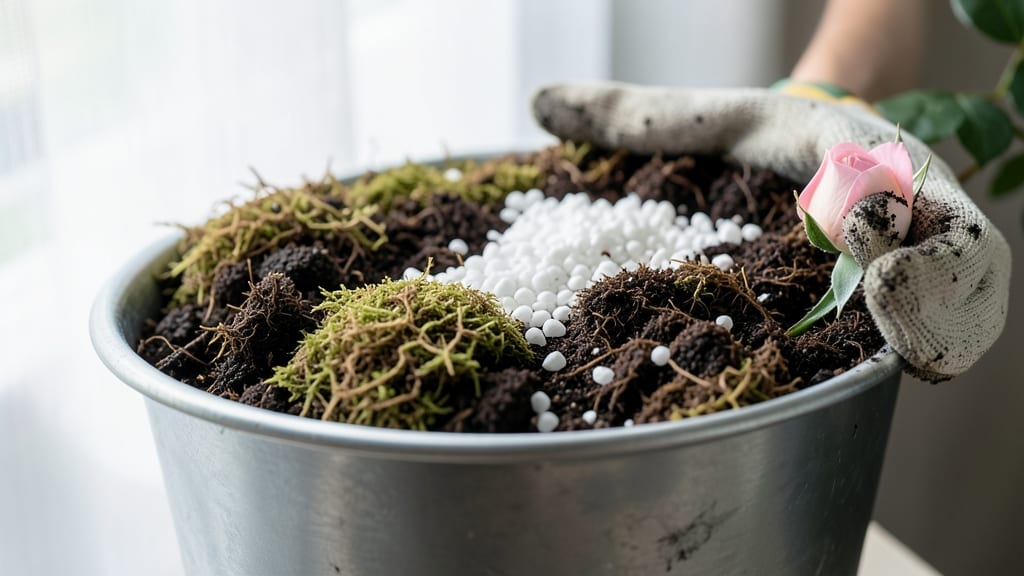
Urban gardeners and small-space growers, rejoice—this mix is your secret weapon for growing tea roses and climbers in containers. The combination of peat moss (acidic) and perlite (lightweight) creates a fluffy, well-aerated medium that mimics the ideal conditions for roses while preventing the dreaded soggy roots that plague many potted plants.
Start with a 50/50 mix of peat moss and perlite, then add a slow-release fertilizer to keep nutrients flowing. This blend stays moist without becoming waterlogged, making it perfect for vertical gardens or balcony setups where drainage is limited. For extra nutrients, top-dress with worm castings every 3 months to support continuous blooming.
This soil mix is especially transformative for urban gardeners with poor native soil or those growing roses in tight spaces. It’s lightweight enough to reduce strain on container structures while providing the slightly acidic environment that many rose varieties crave. 🌱
Clay Soil Amended with Compost
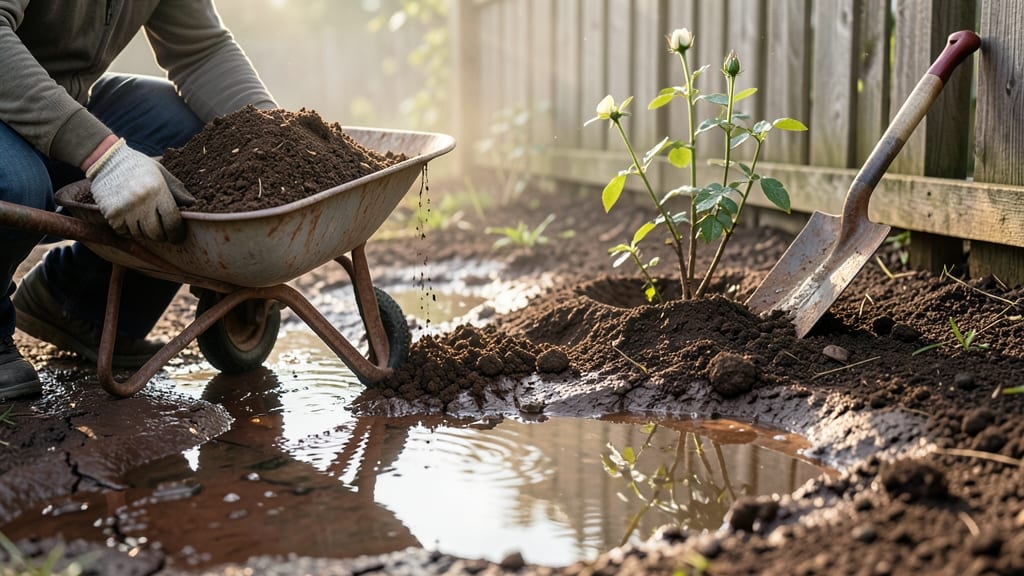
If your garden sits in a low-lying area where water pools after rain, clay soil amended with compost could be your roses' saving grace. This heavy, dense soil struggles to drain, often leading to root rot and stunted growth—but with the right mix, it becomes a powerhouse for nutrient-loving roses.
Start by mixing 3-4 inches of well-aged compost into the top 12 inches of clay soil. This improves drainage by 50% while adding beneficial microbes that break down nutrients roses crave. For extra help, incorporate coarse sand or perlite (1 part per 3 parts soil) to further loosen the texture. Test your soil's pH—roses prefer 6.0 to 6.5, and compost will naturally balance it over time.
This method is ideal for gardeners in humid climates or areas with high water tables, where roses often suffer from soggy roots. With this amendment, your roses will thrive even in heavy clay, producing stronger stems and more abundant blooms. 🌱
Cactus and Rose Soil Blend
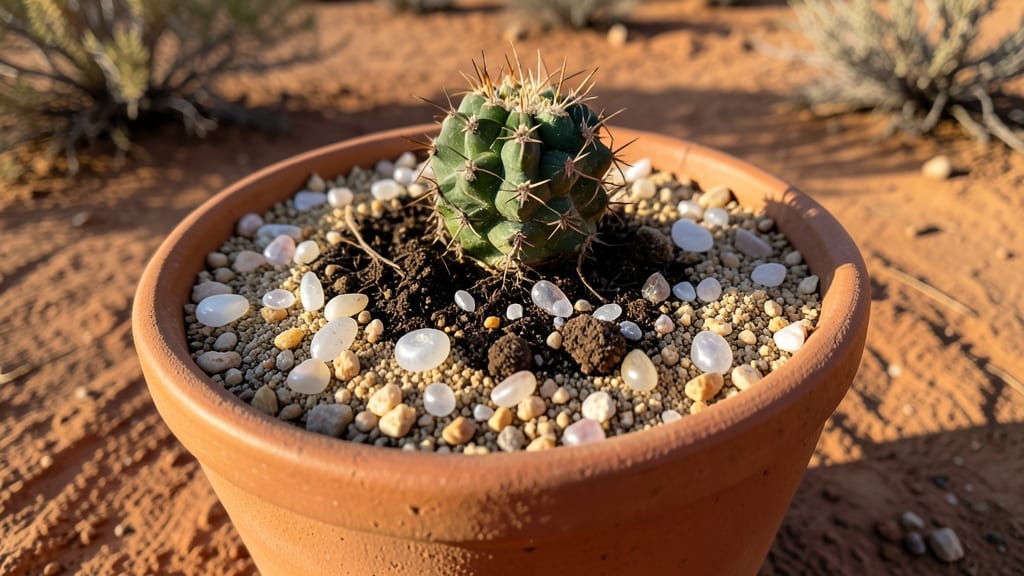
Living in a dry climate doesn’t mean your roses have to suffer—this cactus and rose soil blend is specifically designed to thrive where water is scarce. By combining coarse sand, perlite, and minimal organic matter, it mimics the natural growing conditions of desert roses while still supporting repeat-bloomers like Knock Out roses.
The key is its gritty texture, which prevents soil compaction and allows roots to breathe while retaining just enough moisture for survival. Mix equal parts cactus/succulent soil, coarse sand, and one-third compost for a balanced formula. Water deeply but infrequently—once every 7-10 days—to encourage deep root growth and drought resistance.
This blend is ideal for low-maintenance gardeners in arid regions or anyone growing drought-tolerant roses in containers. With the right mix, you’ll enjoy year-round blooms without the stress of frequent watering. 🌻
Vermiculite-Enhanced Soil for Containers
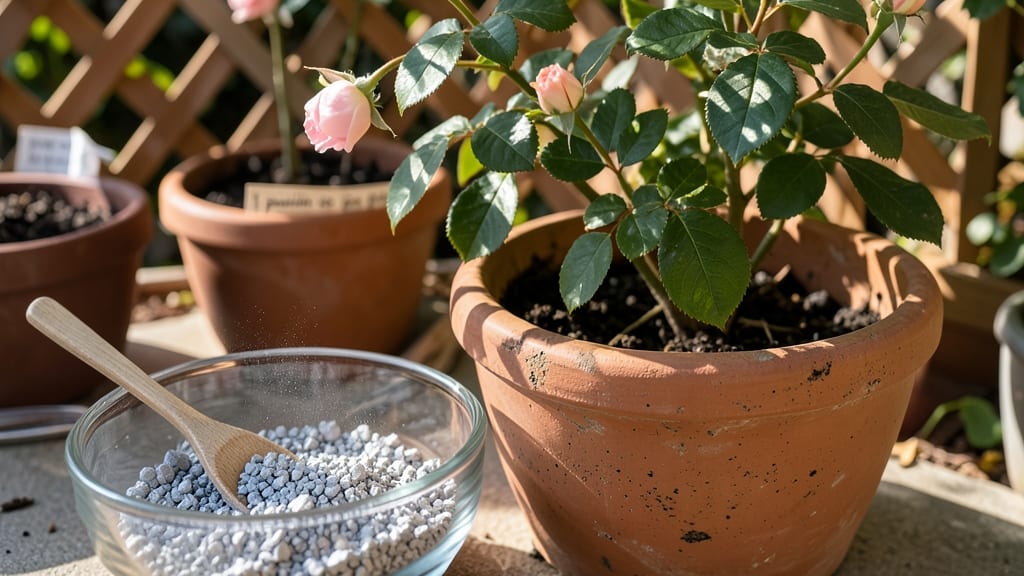
If your patio roses droop by midday despite regular watering, vermiculite-enhanced soil might be your solution. This lightweight mineral holds three times its weight in moisture while improving aeration—ideal for container roses that overheat in summer heat.
Mix 1 part vermiculite with 3 parts potting soil to create a blend that retains nutrients longer than standard mixes. It’s especially beneficial for small pots and grow bags, where roots compete for water. Add a slow-release fertilizer to this mix for year-round blooms without frequent feeding.
Urban gardeners and balcony growers will love this low-maintenance option—just ensure containers have drainage holes. Your roses will reward you with healthier stems and bigger blooms in even the hottest months. 🌻
Alkaline Soil with Lime Additives
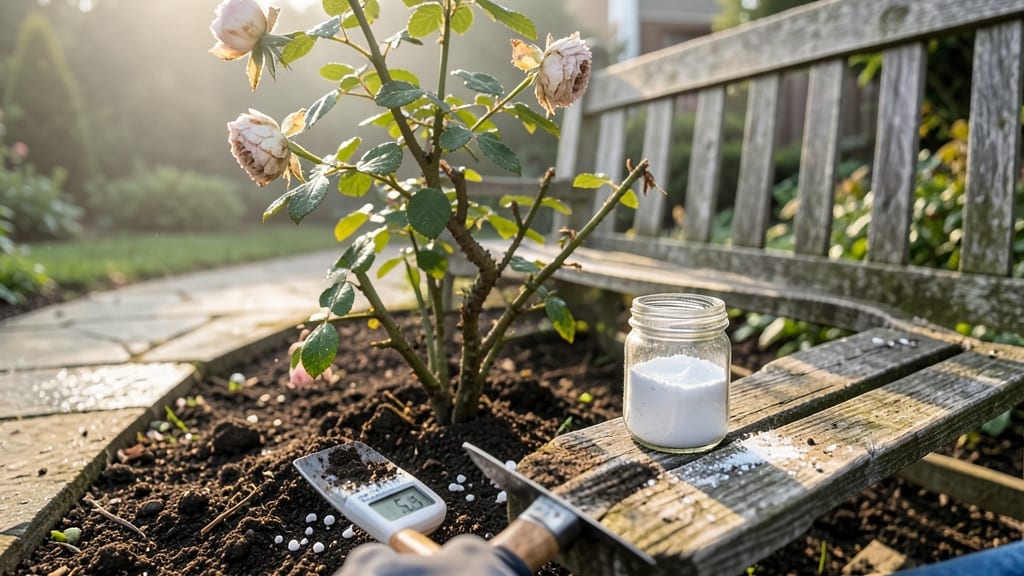
If your heirloom roses look lackluster despite your best efforts, your soil might be too acidic. These delicate varieties—like Cabbage Roses or Damask Roses—thrive in alkaline soil with a pH of 6.5 to 7.5, which lime additives can easily achieve.
Start by testing your soil’s pH (aim for 6.5 or higher for alkaline-loving roses). Sprinkle pelletized lime (calcium carbonate) over the root zone in early spring, working it into the top 6 inches of soil. Repeat annually if your region has acidic rainfall or clay-heavy soil. For potted roses, mix crushed limestone into the potting mix instead.
This approach is a game-changer for gardeners in the Pacific Northwest or Southeastern U.S., where naturally acidic soils stunt rose growth. With the right pH, your roses will reward you with bolder blooms and stronger stems. ✨
Biochar-Infused Compost Soil
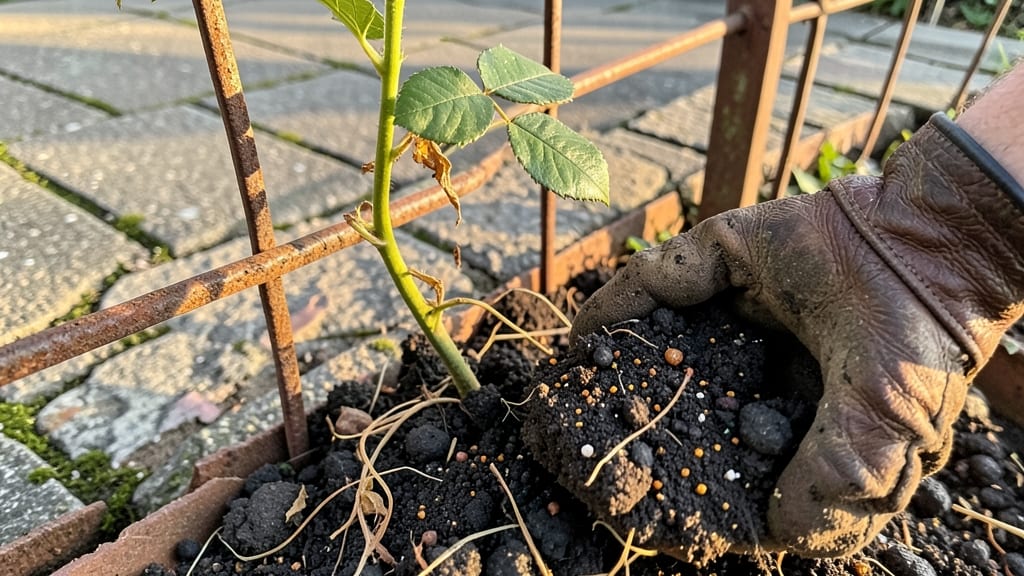
If your urban garden soil feels exhausted after years of planting, biochar-infused compost could be the game-changer your roses need. This carbon-rich amendment revives depleted soils by creating tiny habitats for beneficial microbes that break down nutrients roses crave—like phosphorus and nitrogen—right at their roots.
Mix 20% biochar (finely ground) into your compost pile or directly into planting holes for roses. The porous structure holds moisture while improving aeration, reducing watering needs by up to 30%. Urban gardeners will love how it detoxifies heavy metals and reduces soil compaction—ideal for city plots with compacted or polluted soil. For organic growers, it’s a chemical-free way to boost blooms and root health.
This soil blend is perfect for regenerative gardeners or anyone tired of struggling with nutrient-deficient urban soils. Your roses will reward you with darker foliage, stronger stems, and more abundant blooms—all while you’re helping the planet. 💚
Hydroponic Growing Medium for Roses
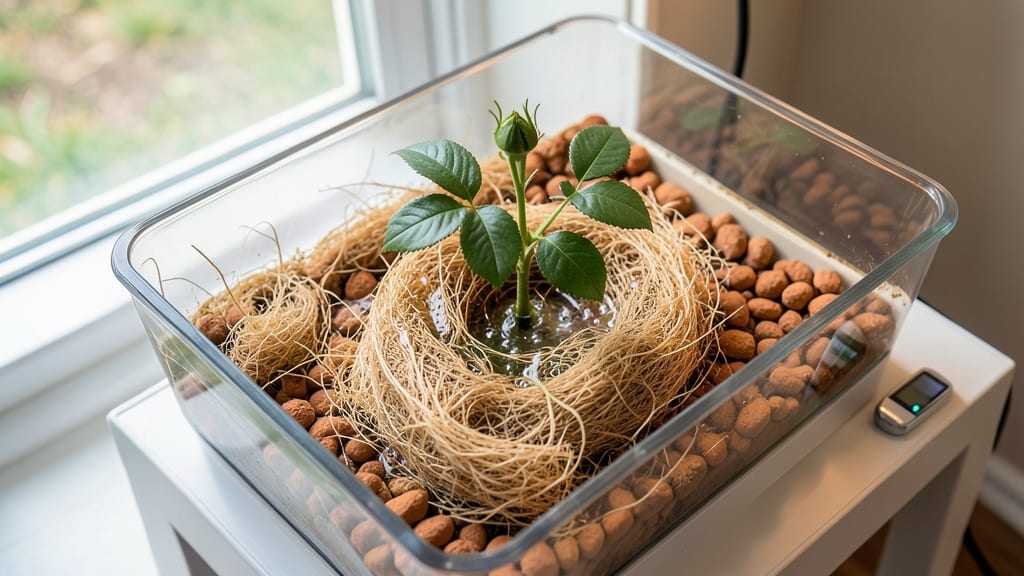
Ready to grow roses indoors without soil? A hydroponic system using coconut coir and clay pebbles creates the perfect soilless environment for roses, especially in small spaces or controlled climates. This medium mimics natural root aeration while delivering precise nutrient control through water-based solutions.
The coconut coir retains moisture and nutrients efficiently, while clay pebbles provide structural support and oxygen flow—critical for rose roots. Start with a 1:1 ratio of coir to pebbles, then adjust based on your rose variety’s needs. For example, climbing roses thrive with slightly more coir for extra moisture, while miniature roses prefer a pebbly mix for stability.
This method is ideal for urban gardeners or those with limited outdoor space, offering year-round growth and eliminating soil-borne diseases. With the right nutrient solution, you’ll enjoy blooms indoors that rival traditional garden roses! 🌻
Mulched Garden Beds with Wood Chips

If you’ve ever struggled to keep your perennial roses thriving through summer’s heat or winter’s chill, a 3-4 inch layer of wood chips could be your game-changer. Unlike other soil amendments, mulch acts as a living blanket—locking in moisture, insulating roots, and even feeding them as it breaks down over time.
For perennial roses, wood chips create an ideal microclimate by reducing temperature swings and suppressing weeds. Opt for untreated hardwood (like oak or cedar) to avoid introducing chemicals, and keep mulch 6 inches away from the stem to prevent rot. Replenish annually in spring, mixing in a handful of compost to boost nutrients released from decomposition.
This low-maintenance solution is perfect for gardeners with permanent rose beds who want lush blooms with minimal effort. It’s especially valuable in regions with hot summers or cold winters, where soil temperature extremes can stress roots. 🌻