
Plants
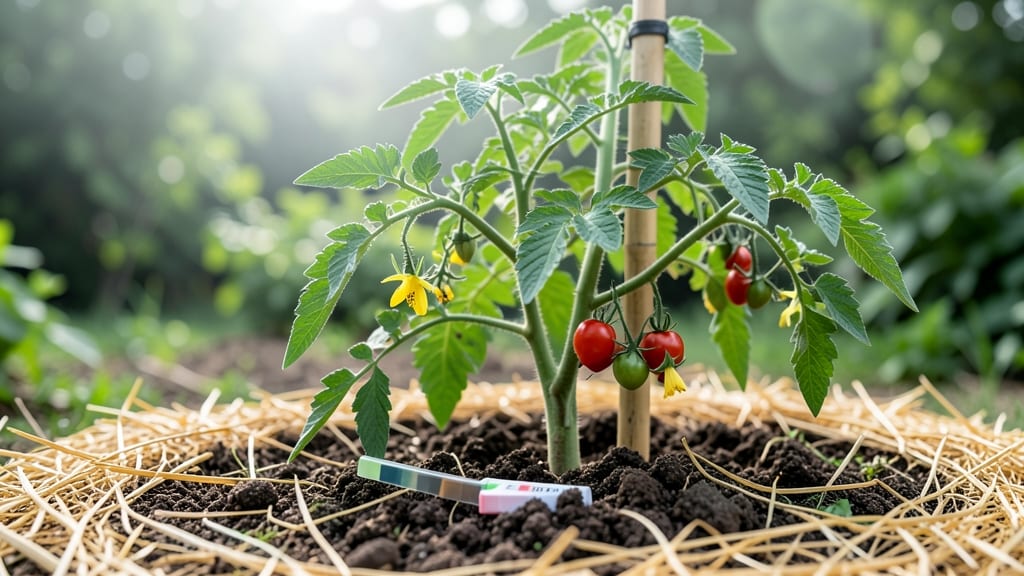
Tomatoes prefer well-draining, nutrient-rich soil with a slightly acidic to neutral pH (6.2–6.8), packed with organic matter like compost or aged manure, and structured to prevent root rot while holding moisture.
Tomatoes aren't picky about soil, but they do demand a few key conditions to flourish. 🌱 The ideal mix combines loose texture (think crumbly, not compact) with plenty of organic material—this prevents waterlogging while feeding those hungry roots.
I've found that adding a handful of worm castings or well-rotted leaves boosts nutrient density naturally. For container growers, blending equal parts potting soil, coconut coir, and compost creates the perfect lightweight medium that mimics garden soil's benefits.
What really sets tomato soil apart is its ability to balance drainage and moisture retention. Too sandy? Roots dry out. Too clay-heavy? Water pools and causes rot. The magic happens when you get that loamy consistency—where water drains freely but the soil holds enough moisture for consistent growth.
Most garden centers sell "tomato-specific" mixes, but DIY blends often outperform them when tailored to your local climate.
💡 In This Article
- Tomato Soil pH and Nutrient Requirements Explained
- DIY Tomato-Friendly Soil Mix Recipes for Containers and Gardens
Tomato soil pH and nutrient requirements explained
The ideal pH range for tomatoes—6.2 to 6.8—isn't just a number; it's about unlocking nutrient availability. At this slightly acidic level, essential minerals like nitrogen, phosphorus, and potassium become soluble and accessible to roots. Nitrogen, for example, fuels leafy growth, while phosphorus supports root development and flowering.
Too acidic (below 5.5) locks out phosphorus, causing stunted plants, while alkaline soil (above 7.5) restricts iron and zinc uptake, leading to yellowing leaves (chlorosis).
Organic matter is the secret weapon here. Compost or aged manure doesn't just feed plants—it transforms soil structure. A 5% organic matter content improves water retention by 30-50% while preventing compaction. Think of it like adding tiny sponges that hold moisture near roots while allowing excess to drain.
Without this, tomatoes struggle in heavy clay or sandy soils where water either pools or evaporates too quickly. I've seen firsthand how a 3-inch layer of compost mixed into garden beds keeps plants thriving through drought.
Nutrient deficiencies reveal themselves in telltale ways. Yellowing between leaf veins? That's classic iron deficiency from alkaline soil. Purple stems or slow growth? Likely phosphorus starvation. The fix isn't just adjusting pH—it's balancing the trio of NPK (nitrogen-phosphorus-potassium).
A balanced 5-10-10 fertilizer ratio works well, but organic options like bone meal (for phosphorus) or fish emulsion (for nitrogen) target specific needs. What's fascinating is how these nutrients work together: phosphorus helps roots absorb nitrogen, while potassium regulates water movement—a perfect team for tomato health.
Don't overlook micronutrients like calcium and magnesium. Calcium prevents blossom-end rot (that ugly bottom rot), while magnesium keeps leaves green. A 1-inch layer of crushed eggshells (for calcium) worked wonders in my last garden.
The key is consistency—tomatoes are heavy feeders, so plan for 2-3 applications of balanced fertilizer throughout the growing season. Too much nitrogen? You'll get lush foliage but few tomatoes. Too little? Plants wilt under stress. It's all about that sweet spot.
Soil testing kits (around $15) reveal your garden's secrets. I recommend testing before planting—it's the difference between guessing and growing. For containers, mix in 1 cup of compost per gallon of soil to maintain fertility.
The goal is soil that's dark, crumbly, and moist like a well-wrung sponge. That's when you know you've got it right. 🌱
Pro tip: Mulch with straw or grass clippings to preserve moisture and temperature. This simple step keeps roots happy in both heat and rain, reducing stress that can lead to nutrient uptake problems.
The best tomato soil isn't just fertile—it's a living ecosystem that works with your plants, not against them.