
Neem Oil
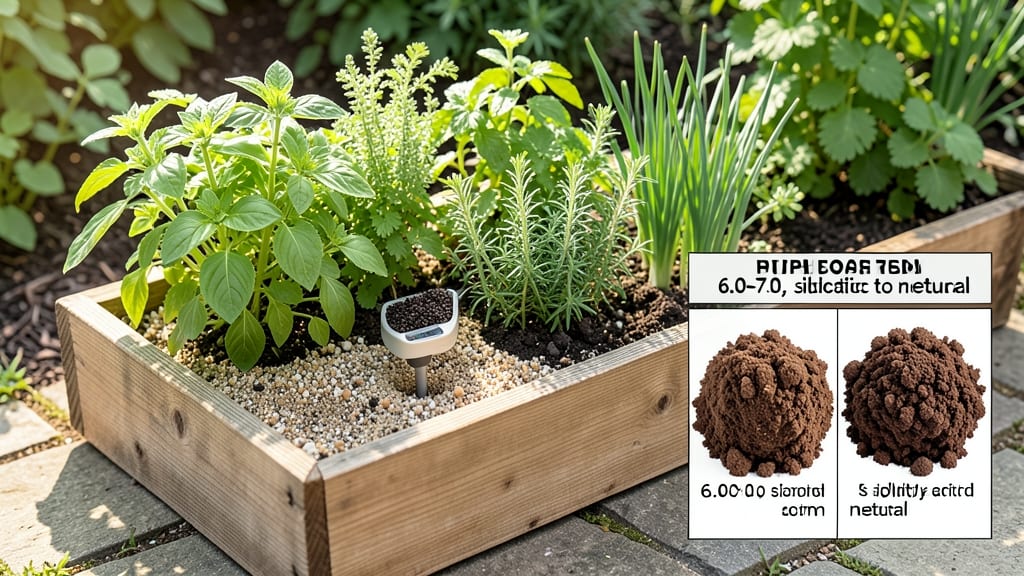
For growing herbs like basil, thyme, and rosemary, use well-draining, nutrient-rich soil with a slightly acidic to neutral pH (6.0–7.0) and organic matter like compost or coconut coir. Avoid heavy clay or compacted soils to prevent root rot.
Herbs thrive when their roots have plenty of oxygen and nutrients, which is why a loose, airy soil mix works best. 🌱 A blend of 50% organic matter (like compost or worm castings) and 50% mineral components (such as perlite or coarse sand) creates the ideal balance.
This setup mimics their natural Mediterranean habitats, where rocky, well-drained soils prevent waterlogging. I’ve found that adding a handful of sand or pumice to store-bought mixes can dramatically improve drainage for herbs like oregano or marjoram, which hate soggy roots.
If you’re working with garden beds, amending clay soil with peat moss or pine bark fines helps break up compaction while retaining moisture without suffocating roots.
For container gardening, pre-mixed herb soils (like those labeled "Mediterranean" or "herb & vegetable") often include the right pH buffers and slow-release fertilizers to keep plants lush without overfeeding. Just remember: herbs are fussy about consistency—too much nitrogen makes them floppy, while poor drainage leads to fungal issues.
💡 In This Article
- Optimal pH and Texture for Herb Soil
- Best DIY Herb Soil Mixes and Store-Bought Options
Optimal pH and texture for herb soil
The pH range of 6.0–7.0 isn't arbitrary—it's where most herbs absorb nutrients most efficiently. Basil, for example, thrives at 6.0–7.5 because its root systems rely on iron and manganese, which become less available in highly acidic soils (below 5.5).
Thyme, on the other hand, tolerates slightly drier, more alkaline conditions (up to 7.5) due to its Mediterranean origins, where limestone-rich soils naturally raise pH levels. 🌱 The key is balancing this with organic matter: compost or coconut coir acts as a natural pH buffer, preventing drastic shifts that could lock out essential minerals.
Texture matters just as much as pH. Herbs like rosemary and oregano prefer a loamy-sandy mix that mimics their native rocky soils—this prevents water from pooling around roots, which can lead to rot within 24–48 hours in heavy clay.
A good rule of thumb is to aim for a soil that crumbles easily when squeezed but holds its shape (like a damp sponge).
For container gardening, I’ve found that adding 30% perlite or pumice to a base of peat moss or coconut coir creates the perfect air-to-water ratio, allowing roots to breathe while retaining enough moisture for 5–7 days between waterings.
Organic additives like worm castings or aged compost don’t just feed plants—they boost microbial activity in the rhizosphere (the soil zone around roots). These microbes break down organic matter into forms herbs can use, like nitrate nitrogen and phosphate, which are critical for leafy growth and flowering.
For instance, a 10% worm casting amendment can increase nutrient availability by up to 30% compared to plain potting mix, while also improving soil structure. The trade-off? Overdoing it with fresh compost can introduce harmful pathogens or ammonia spikes, so always use well-aged, composted materials.
Drainage isn’t just about preventing waterlogging—it’s about oxygen flow. Herbs like thyme and lavender have shallow root systems that need constant access to air. In compacted soils, roots struggle to expand, leading to stunted growth.
A simple test: Fill a jar with your soil mix, add water, and time how long it takes to drain. Ideal herb soil should empty in 10–15 minutes; anything slower risks suffocating roots.
For garden beds, mixing in 20% coarse sand or rice hulls can transform clay soil into a herb-friendly medium, while also reducing compaction over time.
One common mistake is assuming all herbs have the same needs. For example, mint—though technically an herb—prefers moist, slightly acidic soil (5.0–6.5) and can even tolerate waterlogged conditions, unlike its drought-tolerant cousins.
This is why separating mint from other herbs in containers is crucial; its aggressive roots can outcompete basil or rosemary for water and nutrients, leading to leggy, weak growth. 🌿 Understanding these nuances lets you tailor your soil mix to each herb’s native environment, whether it’s the rocky slopes of the Mediterranean or the damp forests where mint thrives.
For visual learners, imagine soil as a three-layer cake: the top layer (organic matter) feeds the plant, the middle (mineral components) provides structure, and the bottom (drainage materials) ensures stability. Balancing these layers—like a 50-30-20 split of compost-perlite-sand—creates the ideal growing medium.
This approach not only supports root health but also mimics the natural ecosystems where herbs evolved, giving them the best chance to flourish.