
How To
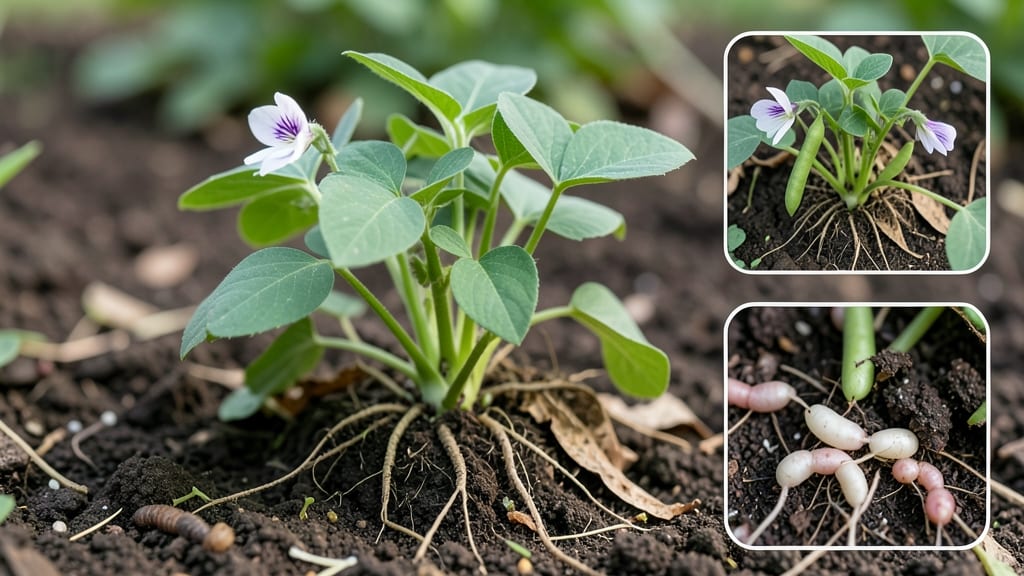
Bush beans increase soil health primarily because they fix atmospheric nitrogen through specialized root nodules, transforming it into plant-accessible nutrients that boost fertility. Their extensive root systems also enhance soil aeration and structure while decomposing to add organic matter.
This nitrogen-fixing superpower comes from a natural partnership with soil bacteria called Rhizobium, which colonize the bean roots and convert inert atmospheric nitrogen into ammonia. 🌱 The result? Soil packed with usable nutrients that benefit not just the beans but subsequent crops like corn or tomatoes.
What's more, their deep roots break up compacted soil and create channels that improve water drainage.
For gardeners, this means planting bush beans isn't just about harvesting pods—it's a free soil fertility upgrade. The key is to leave chopped residues after harvest or use them as green manure, letting the nitrogen-rich plant material decompose naturally.
This practice builds soil over time without synthetic inputs, making it a sustainable choice for organic gardening systems.
💡 In This Article
- How Bush Beans Fix Nitrogen Through Root Nodules
- Practical Ways to Maximize Soil Benefits from Bush Bean Plantings
How bush beans fix nitrogen through root nodules
The magic happens underground where bush beans form a symbiotic relationship with soil bacteria called Rhizobium. When bean seeds germinate, they release flavonoids that signal these bacteria to attach to their roots.
The bacteria then multiply and form specialized structures called root nodules—small, pinkish growths that look like tiny pea-sized bumps along the roots.
These nodules house the bacteria where they can convert atmospheric nitrogen (N₂), which plants can't use directly, into ammonia (NH₃) through a process called nitrogen fixation. 🔥
This chemical transformation requires energy from the plant, which supplies sugars to the bacteria in exchange for fixed nitrogen. One pound of bush beans can fix up to 1-3 pounds of nitrogen per season, depending on growing conditions.
The ammonia produced is then converted into amino acids and other nitrogen compounds that the bean plant—and neighboring plants—can absorb through their roots. What's remarkable is that this process occurs naturally without any human intervention, making bush beans a powerful tool for organic gardeners.
The nitrogen fixation process begins when the enzyme nitrogenase in the bacteria splits the triple bond in N₂ molecules, a reaction that requires significant energy (about 16 ATP molecules per N₂ molecule).
The resulting ammonia is quickly incorporated into amino acids like glutamine and glutamate, which serve as building blocks for plant proteins. This not only feeds the bean plant but also enriches the soil with available nitrogen that persists for future plantings. 💫
What makes bush beans particularly effective compared to other legumes is their rapid growth cycle—typically 60-90 days to maturity—which allows them to fix nitrogen quickly and efficiently. Their extensive root systems (often reaching 12-18 inches deep) also create channels that improve soil aeration and water infiltration.
When the plants decompose after harvest, they leave behind nitrogen-rich organic matter that continues to nourish the soil for months afterward.
This natural fertilization isn't just about nitrogen—it also improves soil structure by adding organic carbon through decomposed plant material. Studies show that soils planted with bush beans can see nitrogen levels increase by 20-50% compared to unplanted soils, creating a self-sustaining cycle of fertility.
The key is maintaining this process through proper planting techniques and avoiding practices that disrupt the root nodules, like excessive tilling.