
Vegetables
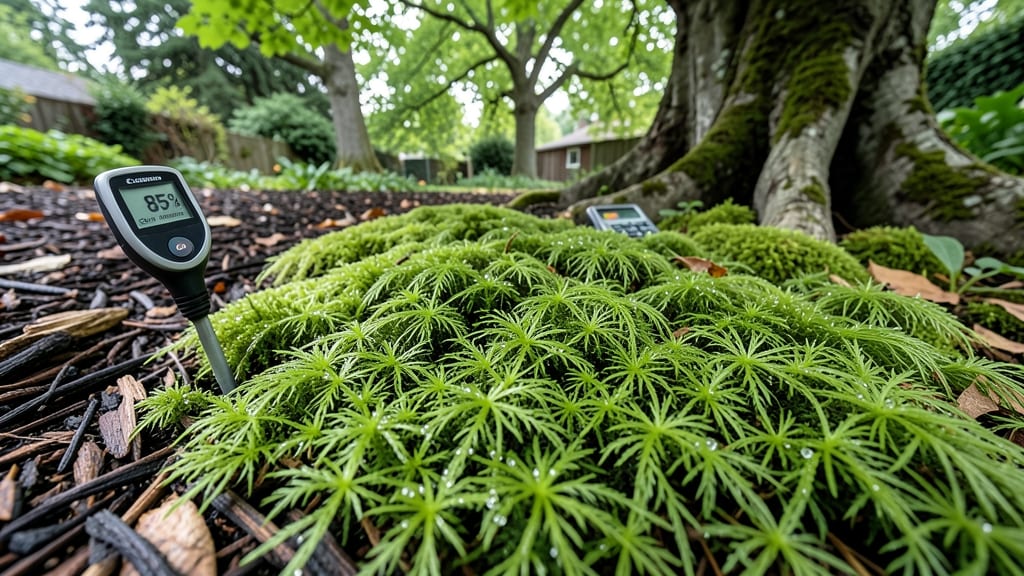
Soil turns green when algae, moss, or fungi grow in damp, shaded areas with too much moisture or organic matter. This green tint often indicates drainage issues, overwatering, or insufficient sunlight, which can weaken plant roots and attract unwanted pests. Fixing the underlying problem—like improving airflow or adjusting irrigation—restores healthy soil color and function.
Green soil isn't just an eyesore—it’s a sign your garden’s ecosystem is out of balance. 💚 The culprits are usually microscopic algae or filamentous fungi that thrive in damp, low-light conditions, feeding on decaying organic material.
Unlike healthy brown soil, this green layer can smother plant roots and create a breeding ground for slugs and other pests. The good news? Simple fixes like spreading a 2-inch layer of coarse sand or adjusting watering schedules can break the cycle and restore your soil’s natural color and health.
For container gardens, I’ve found adding perlite or vermiculite to the mix helps prevent moisture buildup, while raised beds benefit from a top layer of straw mulch. The key is balancing moisture and airflow—too much water creates the perfect conditions for these green invaders to take over.
💡 In This Article
- The Science Behind Green Soil: Algae, Moss, and Fungi Explained
- Natural Ways to Prevent and Treat Green Soil in Gardens
The science behind green soil: algae, moss, and fungi explained
Green soil isn't just a color change—it's a biological takeover. The most common culprits are filamentous algae (like Trentepohlia), which produce green pigments called chlorophyll to harness sunlight in shaded areas.
These algae thrive when soil moisture stays above 30% saturation for extended periods, often in spots where water pools after rain or irrigation. Fungi like mold and slime molds also contribute, forming greenish mycelium networks that break down organic matter at accelerated rates.
The process begins when organic debris—leaves, grass clippings, or mulch—decomposes without proper aeration. This creates an anaerobic environment where bacteria and fungi outcompete beneficial microbes. The pH of green soil often shifts toward 6.0-7.0 (neutral to slightly acidic), which further favors algae growth.
In contrast, healthy garden soil typically maintains a 5.5-6.5 pH, where beneficial microbes dominate. The texture also changes: green soil becomes slimy or gummy when wet, unlike well-drained soil that crumbles easily.
Light plays a critical role too. Algae need just 1-2 hours of indirect sunlight daily to photosynthesize, which explains why green soil often appears under dense plant canopies or in container edges.
Moss, another common green invader, requires even less light (50% shade tolerance) and spreads via spores that germinate in damp conditions. Both organisms release enzymes that accelerate organic matter decomposition, which can deplete soil nutrients faster than plants can absorb them.
Here's what happens under the microscope: Algae form thin, thread-like structures called hyphae that penetrate soil pores, while fungi create dense mats that block water and oxygen flow to plant roots. This competition for resources stresses plants, making them more susceptible to diseases like root rot or powdery mildew.
The green layer also physically smothers seedlings, preventing them from establishing proper root systems. In extreme cases, the fungal growth can produce volatile organic compounds that emit musty odors, signaling advanced decay.
Consider this comparison: Healthy brown soil contains 5-10% organic matter with balanced microbial activity, while green soil can reach 20-30% organic matter concentration—but most of it's in decomposing form rather than stabilized humus.
The excess moisture also triggers denitrification, where beneficial nitrogen converts to gaseous forms that escape into the atmosphere, further reducing plant nutrition. This microbial imbalance explains why green soil often appears in high-traffic garden areas where compaction reduces drainage.
To visualize the impact, imagine a sponge: Healthy soil acts like a well-wrung sponge that drains excess water, while green soil resembles a waterlogged sponge where microbes multiply uncontrollably.
The key difference lies in the carbon-to-nitrogen ratio—healthy soil maintains 10:1 to 30:1, while green soil often exceeds 50:1, creating ideal conditions for decomposers that thrive on easy-to-digest organic matter.