
How To
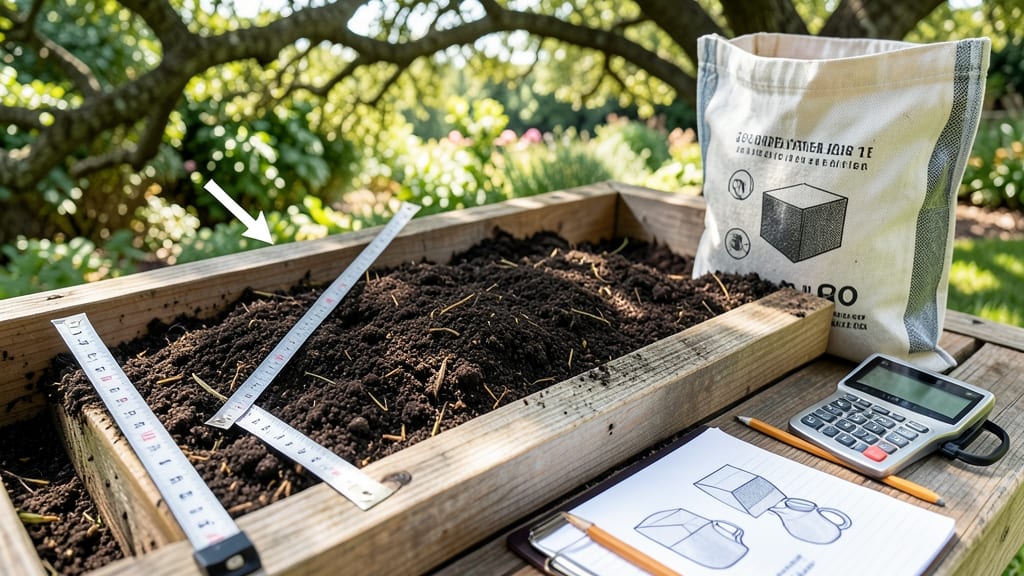
Converting 50 quarts of soil to cubic feet equals approximately 1.389 cubic feet, based on the standard conversion where 1 cubic foot holds about 29.922 quarts of loose soil. This precise measurement helps gardeners accurately plan container sizes and planting bed volumes.
Understanding this conversion is crucial because soil volume changes depending on how compacted it is. 🌱 Loose soil (like fresh potting mix) occupies more space, while packed soil (like garden soil) compresses into smaller volumes.
For example, if you're filling a 5-gallon pot, knowing this ratio helps you avoid over- or under-filling while ensuring proper drainage and root growth.
This measurement also comes in handy when calculating soil requirements for raised beds or bulk purchases. Many garden centers sell soil by the cubic foot, so converting quarts to cubic feet helps you estimate exactly how much to buy.
I always recommend adding 10-15% extra to account for settling—especially with heavier soils that compact over time.
For quick reference, here's a handy rule: 1 cubic foot ≈ 30 quarts. This approximation works well for most gardening tasks, though precise calculations matter when dealing with large projects or specific plant needs.
Always check your soil's density if you're working with unusual mixes like hydroponic media or amended compost.
💡 In This Article
- How Soil Volume Conversions Work for Gardening
- Practical Applications for Soil Volume in Gardening Projects
How soil volume conversions work for gardening
The conversion from quarts to cubic feet for soil relies on understanding the three-dimensional space soil occupies. A cubic foot is a standard unit measuring 12 inches × 12 inches × 12 inches, while a quart measures volume by liquid capacity—approximately 0.0334 cubic feet.
For soil specifically, the conversion factor of 1 cubic foot = 29.922 quarts accounts for how loose soil particles settle and occupy space differently than liquids.
Soil density plays a critical role in these calculations. Loose potting mixes or fresh compost expand when measured in quarts because air pockets create space between particles.
For example, a 50-quart bag of loose potting soil will occupy about 1.66 cubic feet when first poured, but settles to 1.389 cubic feet once compacted. This 17% reduction happens because particles shift and compress under their own weight, a process called "soil consolidation." 🌱
This density variation affects planting depth and container sizing. A 10-inch pot (common for herbs) holds roughly 0.6 cubic feet of soil, but only 18 quarts of loose mix—meaning you'd need 2.75 cubic feet of soil to fill 15 identical pots.
Gardeners often err by underestimating soil volume, leading to shallow root zones. For optimal growth, aim for 1-2 inches of soil depth per inch of plant height, which translates to precise cubic foot calculations.
Soil composition also influences these measurements. Sandy soils pack more tightly than clay or peat-based mixes, altering the quart-to-cubic-foot ratio. For instance, 1 cubic foot of sandy loam might hold 32 quarts, while peat moss could stretch to 35 quarts due to its fibrous structure.
Always test your soil's density by filling a known container (like a 5-gallon bucket) with 1 cubic foot of soil and measuring the quarts—this gives you a project-specific conversion factor.
Understanding these principles helps avoid common mistakes, like buying too little soil for a raised bed or overfilling containers. For example, a 4' × 8' raised bed with 12-inch depth requires 32 cubic feet of soil—equivalent to 973 quarts.
Breaking this down into 50-quart bags means you'd need 19.5 bags, so rounding up to 20 bags ensures you have enough for settling and amendments.
Pro tip: Use a soil moisture meter to check compaction. Dry soil compresses more than moist soil, altering volume. For accurate conversions, always measure soil when it's at your desired planting moisture level—typically 40-60% moisture content for most plants.
This consistency ensures your cubic foot calculations remain reliable across projects. ✨