
How To
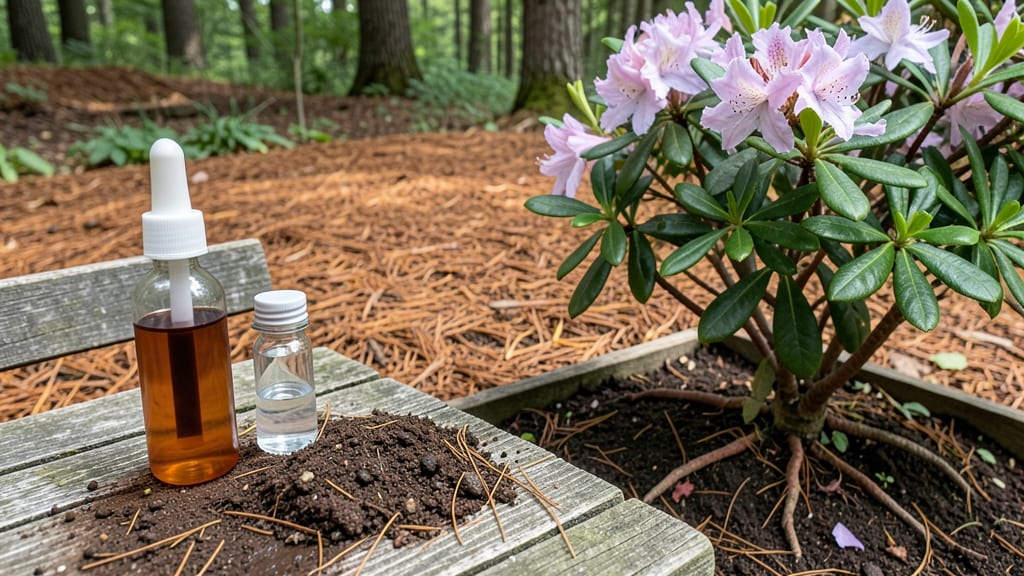
My rhododendrons finally bloomed like crazy after I fixed the soil pH—acid soil for rhododendrons isn’t just helpful, it’s essential for their survival. These plants are fussy about pH, and when they’re happy, they reward you with vibrant pink, purple, and white blooms that last for weeks.
The secret? A mix of peat moss and pine bark that keeps the soil naturally acidic, plus a few extra tricks to lock in that perfect growing environment.
First, you’ll need to test your soil’s pH—most garden centers sell cheap test kits. Aim for 4.5 to 6.0, the sweet spot for rhododendrons. If your soil is too alkaline, sulfur or pine needles can lower the pH over time.
I’ve seen dramatic changes in just a few months by amending the soil with equal parts peat moss and pine bark, which also improves drainage and mimics their natural forest-floor habitat.
The payoff is worth the effort: plants that push out bold new growth in spring, resist pests better, and flower more prolifically. Even my black thumb can’t kill these once the soil is right.
Pair them with other acid-lovers like azaleas, blueberries, or hydrangeas, and you’ll create a low-maintenance, high-impact garden corner that thrives year after year.
Here’s the thing—once you get the soil right, you’ll notice the difference in just a few weeks. No more wilting leaves or sparse blooms. Just lush, healthy plants that make your neighbors ask, “What’s your secret?” Let’s get those rhododendrons thriving.
📚 In This Guide
- What you need
- Instructions
- Tips and common mistakes
- Wrapping up and next steps
What you need
- ● Peat moss (or coconut coir as a sustainable alternative): 50% of the mix (by volume). Choose sphagnum peat moss for best results—it holds moisture and acidity well.
- ● Pine bark fines: 30% of the mix. Look for finely ground or medium-grade bark (¼" to ½" chunks work too). Avoid fresh, untreated wood.
- ● Perlite or vermiculite: 10-15% of the mix. Helps with aeration and drainage—perlite is lighter, while vermiculite retains moisture better.
- ○ Sulfur or aluminum sulfate: 1-2 tbsp per 5 gallons of mix (optional but recommended for extra acidity). ⚠️ Test soil pH first!
- ○ Compost or worm castings: 5% of the mix (optional). Adds nutrients without raising pH—use well-aged compost.
- ● A garden shovel or spade for mixing and amending soil.
- ● A wheelbarrow or large bucket (5+ gallons) for blending materials.
- ● A garden fork to loosen existing soil before adding the mix.
- ● Gloves and safety goggles (especially when handling sulfur or peat moss).
- ● pH testing kit (digital or liquid test strips) to monitor acidity levels (ideal range: 4.5–5.5).
- ○ Optional: A soil sieve to remove large debris if your mix isn’t smooth.
- ● Know your current soil pH. Rhododendrons thrive in highly acidic conditions—if your soil is neutral or alkaline, you’ll need to lower the pH first.
- ● Choose a partially shaded location (morning sun + afternoon shade is ideal). Full sun can dry out the mix.
- ● Ensure good drainage. Amend heavy clay soil with extra perlite or sand to prevent waterlogging.
- ● Timing: Best to prepare the mix in early spring or fall when temperatures are mild.
Step-by-step guide for creating the perfect acid soil mix for rhododendrons
Here’s how to craft a soil blend that mimics the natural conditions these finicky beauties crave.
Gather the Core Acidifying Ingredients
Start with 50% peat moss—the backbone of acid-loving plant mixes. Peat moss holds moisture while lowering pH naturally. Sift it to remove any debris, as large chunks won’t break down evenly. Next, add 30% pine bark fines (not chunks), which improve aeration and drainage while further acidifying the mix. These two materials alone will drop your soil’s pH to 4.5–5.5, ideal for rhododendrons.
For the remaining 20%, incorporate composted pine needles or leaf mold—both release organic acids as they decompose. Avoid fresh pine needles, as they can be too acidic initially and may inhibit root growth. If you’re working with 4 cubic feet of mix, measure out 2 cubic feet of peat moss, 1.2 cubic feet of pine bark fines, and 0.8 cubic feet of composted pine needles—this ratio ensures proper structure and acidity.
Adjust pH with Supplemental Acidifiers
Test your mix’s pH before planting using a reliable soil meter or lab test. If the reading is above 5.5, add elemental sulfur to lower it further. For every 0.5 pH points above target, sprinkle 1 tablespoon of sulfur per cubic foot of mix and re-test after a week. Sulfur works slowly, so patience is key—rushing leads to toxic sulfur buildup.
Alternatively, incorporate 1 cup of aluminum sulfate per cubic foot for a faster but more aggressive adjustment. This is useful for heavily amended garden beds where quick corrections are needed. Mix thoroughly, as uneven distribution can create pH pockets that stress roots. Water the blend lightly after adding sulfur to activate the reaction.
Blend and Condition the Mix
In a wheelbarrow or large container, combine all materials using a garden fork or shovel. Work the mix until it’s uniform in color and texture—no streaks of peat or bark should remain. This step prevents clumping and ensures even moisture retention. Add 1 tablespoon of a slow-release, acid-loving fertilizer (like 10-10-10 or a rhododendron-specific blend) per cubic foot to provide nutrients without raising pH.
Moisten the blend to 60% moisture capacity—squeeze a handful; it should hold together but not drip. Overwatering now compacts the mix, while too little leaves it prone to drying out. Cover the mix and let it sit for 3–5 days to allow microbial activity to stabilize. This pre-conditioning mimics natural decomposition and improves root uptake once planted.
Apply the Mix to Planting Beds or Containers
For in-ground plantings, remove existing soil to a depth of 12–18 inches and replace it entirely with your acid mix. Rhododendrons hate competition for nutrients, so deeper amendment prevents root contact with alkaline subsoil. In containers, fill pots 2/3 full with the blend, leaving 2 inches at the top for mulch. Tap the pot gently to settle the mix without compacting it.
Plant rhododendrons at the same depth they were growing before, ensuring the root flare (where roots meet the stem) sits just above soil level. Backfill with additional mix, pressing lightly to eliminate air pockets. Water deeply until moisture runs from the drainage holes—this settles the mix and eliminates gaps that could dry roots out.
Maintain Acidic Conditions Long-Term
Top-dress the soil annually with 1–2 inches of pine bark mulch to preserve acidity and retain moisture. Avoid wood chips from deciduous trees, as they raise pH over time. Re-test soil pH every 2–3 years, especially if growth slows or leaves yellow. If pH drifts above 5.5, repeat the sulfur or aluminum sulfate adjustment in Step 2.
Water with rainwater or distilled water whenever possible—tap water often contains lime that neutralizes acidity. If you must use tap water, let it sit in containers for 24 hours before use to allow minerals to settle. Monitor leaf color: dark green and glossy means your mix is perfect; yellowing or purple undersides signal pH or nutrient issues.
Tips & tricks for perfect acid soil mixes
Creating the ideal environment for rhododendrons starts with understanding these subtle but critical details that make all the difference.
Ingredient Quality Matters: When selecting peat moss, choose high-quality sphagnum peat—it has the most effective acidifying properties. Avoid garden-center peat that may contain additives or have been compressed too tightly. For pine bark fines, look for finely ground material labeled specifically for acid-loving plants; larger chunks won't break down properly and can create uneven moisture distribution. The composted pine needles should be fully decomposed and dark brown—any green material indicates they're not ready and could harm your plants.
pH Testing Accuracy: Don't rely on cheap soil test kits that measure pH in a 0-14 range without precision. Invest in a digital pH meter designed for soil testing, which can measure to one decimal place. The instructions mention testing before planting, but I recommend testing again after your 3-5 day conditioning period—sometimes the microbial activity during conditioning can slightly alter the pH. If you're working with existing garden soil, test that first too; you might need to adjust your mix ratios accordingly.
Mixing Technique: In Step 3, when combining your materials, use a garden fork rather than a shovel to aerate the mix thoroughly. Work the materials until they're completely uniform in color and texture—this prevents clumping and ensures even moisture distribution. I've seen many gardeners skip this step and end up with pockets of pure peat or bark that create uneven growing conditions. For larger batches, consider using a concrete mixer or wheelbarrow with a paddle attachment for more thorough blending.
Long-Term Maintenance Strategy: The 24-hour water settling recommendation for tap water is brilliant, but here's what nobody tells you—this works best if you let the water sit in glass or food-grade plastic containers. Metal containers can leach minerals that might slightly alter the water's composition. For ongoing maintenance, consider installing a rainwater collection system near your rhododendrons. Even a simple barrel with a fine mesh screen works wonders for preserving that perfect acidic environment.
Pro Tips for Acid Soil For Rhododendrons
- Creating the ideal environment for rhododendrons starts with understanding these subtle but critical details that make all the difference.
- Ingredient Quality Matters: When selecting peat moss, choose high-quality sphagnum peat—it has the most effective acidifying properties.
- pH Testing Accuracy: Don't rely on cheap soil test kits that measure pH in a 0-14 range without precision.
Frequently asked questions
Got questions about creating the perfect acid soil for your rhododendrons? You’re not alone! Here are some of the most common queries—plus straightforward answers to keep your acid-loving plants happy and blooming.
How do I test if my soil is acidic enough for rhododendrons?
Use a soil pH test kit (available at garden centers) or send a sample to a local extension office. Rhododendrons thrive in soil with a pH between 4.5 and 6.0. If your soil is too alkaline (above 7.0), amend it with sulfur or peat moss to lower the pH gradually.
How long does it take for acid soil amendments to work?
Patience is key! Organic amendments like peat moss or pine bark take 3–6 months to adjust soil pH, while sulfur works faster (about 2–3 months). Test your soil again after 3 months to monitor progress. Pro tip: Mix amendments into the top 6–12 inches of soil for best results.
Can I reuse old peat moss-pine bark mix from last year?
Reusing the mix is fine, but refresh it with 20–30% new material to replenish nutrients and prevent compaction. Over time, organic matter breaks down, so top-dressing with composted pine needles or leaf mold can help maintain acidity and fertility.
What happens if I skip the peat moss and just use pine bark?
Pine bark alone works, but it’s less acidic and drains faster than a peat moss mix. For best results, blend 50% peat moss and 50% pine bark—this combo retains moisture, stays acidic, and mimics natural rhododendron habitats. Warning: Avoid cedar or oak bark; they raise pH over time.
Do rhododendrons need extra watering in acid soil?
Acid soil (especially peat-heavy mixes) can dry out quickly. Water deeply 1–2 times per week, aiming for 1–2 inches of water per session. Mulch with pine straw or wood chips to retain moisture and regulate temperature. Bonus: Rainwater is ideal—it’s naturally soft and won’t alter soil pH.
My rhododendron leaves are yellow—is it the soil?
Yellowing leaves can signal overwatering, nutrient deficiency, or pH issues. Check soil pH first—if it’s too high, amend with sulfur. Yellow edges (not centers) often mean chlorosis from alkaline soil, while uniform yellow suggests iron deficiency (common in high-pH soil). Adjust care based on symptoms!
Wrapping up and next steps
Creating the perfect acid soil for rhododendrons with a peat moss-pine bark mix is your ticket to vibrant, thriving blooms! 🌸 By understanding the ideal pH, mastering the right blend, and troubleshooting common challenges, you’ve got everything you need to give your acid-loving plants the love they deserve.
Remember, patience and consistency are key—your rhododendrons will reward you with stunning growth and breathtaking flowers.
Now that you’re armed with knowledge, take the next step! Grab your materials, roll up your sleeves, and start amending that soil. Whether you’re a seasoned gardener or just beginning your green thumb journey, your rhododendrons will thank you—one shovel of acid soil at a time! 🌱