
How To
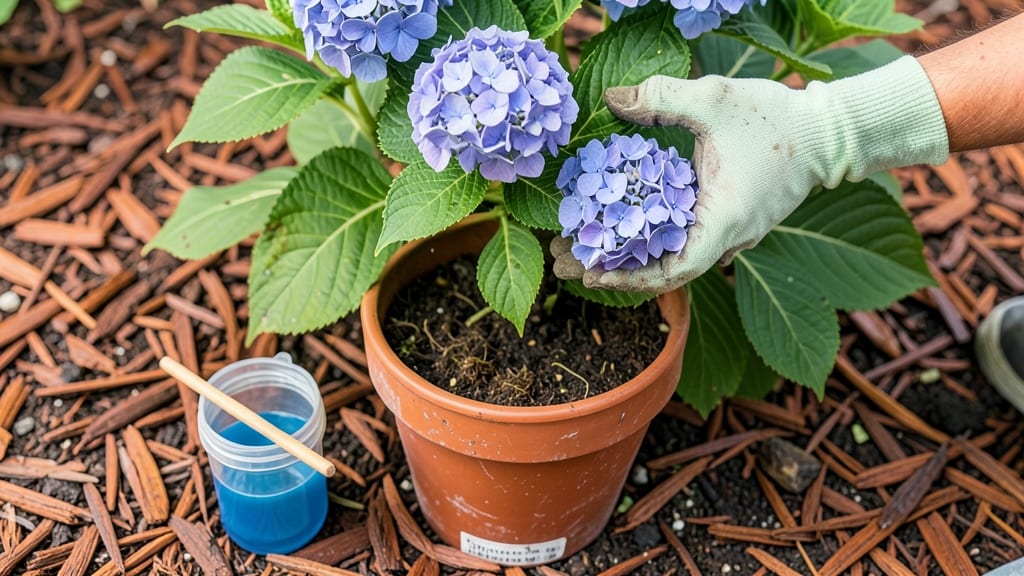
Creating acid soil for hydrangeas between pH 5.2 and 5.5 transforms their blooms into stunning blues and purples. Test your soil with a pH kit, then amend with sulfur or peat moss, and check acidity levels regularly to keep those vibrant colors coming back every season.
Hydrangeas are famous for their dramatic color shifts, but those deep blues and purples only show up when the soil stays acidic. 🌸 The secret lies in how acidity affects aluminum availability—this mineral boosts anthocyanin production, the pigment responsible for those rich hues.
If your soil runs neutral or alkaline, your hydrangeas might surprise you with pink blooms instead. I’ve seen gardeners double their flower vibrancy just by adjusting pH, and the best part? It’s a simple fix that pays off year after year.
Once you’ve tested your soil and confirmed it’s too alkaline, don’t rush into drastic changes.
Organic amendments like pine needles or coffee grounds work gradually, while sulfur delivers faster results—just follow package instructions carefully. Monitoring is key: I recommend checking pH every few months, especially after heavy rains, which can wash away amendments.
The goal isn’t just pretty flowers—it’s creating the perfect environment for your hydrangeas to thrive.
💡 In This Article
- How Soil pH Affects Hydrangea Bloom Colors
- Step-by-Step Guide to Lowering Soil pH for Hydrangeas
How soil pH affects hydrangea bloom colors
Hydrangea blooms change color because of a chemical dance between soil pH and aluminum availability. In acidic soil (pH 5.2-5.5), aluminum becomes soluble and gets absorbed by the plant. This triggers higher production of anthocyanins, the pigments responsible for blue and purple hues.
When soil pH rises above 5.5, aluminum binds to soil particles instead, leaving less available for the plant. Without enough aluminum, hydrangeas produce more delphinidin, which creates pink flowers. 🌸 Think of it like a pH-controlled pigment factory in your hydrangea leaves!
The color shift happens because anthocyanins react differently based on soil conditions. At pH 5.2, you’ll see deep blues, while pH 5.5 leans toward purples. Move to pH 6.0, and those same flowers turn pink—it’s not a genetic change, just chemistry!
For example, the iconic 'Nikko Blue' hydrangea stays true to its name only when soil pH stays below 5.5. Even a slight increase to 6.0 can turn its blooms a soft lavender or pink. This is why gardeners obsessed with blue hydrangeas treat pH like a fine-tuned instrument.
Aluminum isn’t the only player—calcium and magnesium also compete for uptake. In alkaline soils, these minerals dominate, crowding out aluminum and blocking anthocyanin production. That’s why hydrangeas on neutral soil (pH 7.0) often produce pale, muted blooms.
The solution? Acidifying amendments create the perfect balance, ensuring aluminum stays available while keeping calcium and magnesium in check. It’s like giving your hydrangeas the right "vitamins" for their color palette.
Here’s a quick visual guide to what your hydrangeas reveal about soil pH:
- Deep blue/purple blooms: Soil pH 5.2-5.5 (ideal for aluminum uptake)
- Pink/lavender blooms: Soil pH 6.0-7.0 (aluminum locked out)
- Greenish or weak blooms: Extreme pH (too acidic <5.0 or alkaline >7.5)
One common misconception is that hydrangea color changes are genetic. But in reality, most varieties can shift hues based on soil conditions.
For instance, the 'Endless Summer' series might produce blue flowers in one garden and pink in another—just because of different soil pH. This makes testing and adjusting pH your secret weapon for predictable, show-stopping blooms every season.
Pro tip: If you’re growing hydrangeas in containers, the pH can change faster due to watering and drainage. I recommend testing container soil every 3-4 months and adjusting as needed.
The goal is consistency—hydrangeas thrive when their soil environment stays stable, just like they would in nature’s acidic forest floors. 🌿