
How To
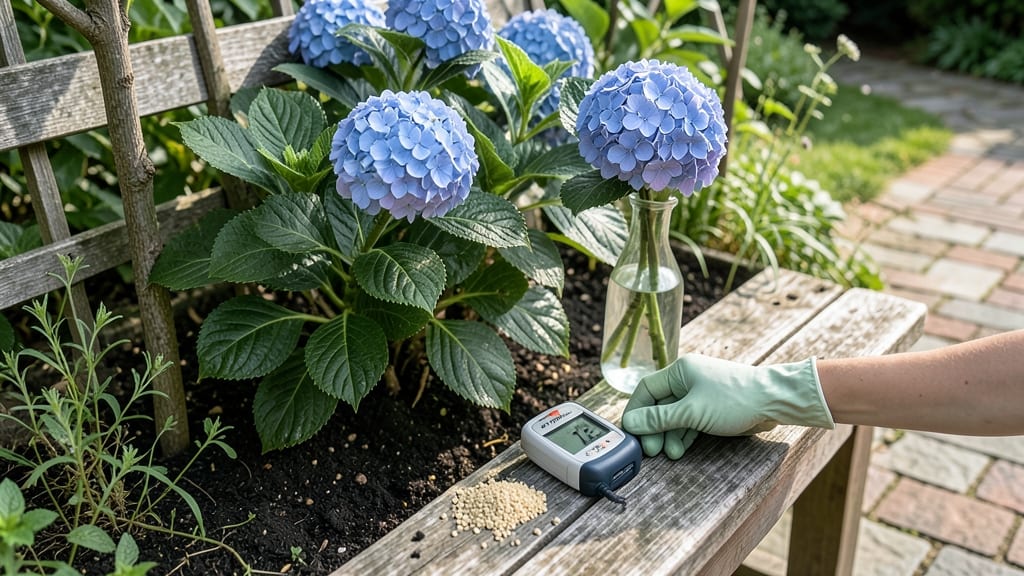
Alkaline soil for hydrangeas transforms their blooms from blue to pink by pushing pH levels above 7.0, which means you'll need to add amendments like sulfur or pine needles to restore acidity and bring back those vibrant blues. Always test your soil first to know exactly what adjustments to make.
Hydrangeas are famously finicky about soil pH because their stunning blue blooms rely on aluminum availability—something that only thrives in acidic conditions. When your soil becomes alkaline, those aluminum compounds become locked away, leaving you with pink or mauve flowers instead. 🌸 The good news?
This change is reversible with the right amendments and a little patience. Most gardeners don't realize they can actually control bloom color this way, making it one of hydrangea's most fascinating quirks.
To fix alkaline soil, you'll want to lower the pH gradually over time. Elemental sulfur is the gold standard because it works reliably, but organic options like coffee grounds or pine needles can also help.
The key is consistency—don't expect dramatic changes after just one application. I've seen gardeners rush the process and end up with yellowing leaves, so taking it slow is always better.
💡 In This Article
- How Soil pH Changes Hydrangea Bloom Colors
- Step-by-Step Guide to Lowering Soil pH for Hydrangeas
How soil pH changes hydrangea bloom colors
The magic behind hydrangea bloom colors lies in the delicate chemistry of their petals. Blue hydrangeas owe their stunning hue to anthocyanin pigments that develop when the plant absorbs aluminum ions from acidic soil (pH 5.0-5.5). These aluminum compounds bind with the pigments, creating the signature blue shade.
When soil pH rises above 7.0—becoming alkaline—aluminum becomes chemically unavailable to the plant, causing those same pigments to produce pink or mauve flowers instead. 🌸
Think of it like a pH-sensitive mood ring for plants: at pH 5.5, aluminum is abundant, and you get vibrant blue blooms. At pH 6.0-6.5, the color shifts to purple or lavender as aluminum availability decreases.
By the time you hit pH 7.0+, the aluminum is completely locked away, and your hydrangeas will reliably produce pink flowers. This isn't just a color change—it's a direct response to soil chemistry that gardeners can actually manipulate.
The process works because aluminum solubility in soil follows a strict pH curve. In acidic conditions (pH 5.0-5.5), aluminum exists as free ions (Al³⁺) that hydrangea roots can easily absorb. As pH increases, these ions bind with phosphate and organic matter, becoming unavailable.
This is why blue hydrangeas require acidic soil—without that aluminum, the plant can't produce the blue pigments, no matter how much nitrogen or phosphorus you add. 🔬
What most gardeners don't realize is that this color change isn't permanent damage—it's purely environmental. The plant itself isn't harmed by alkaline soil; it's just expressing a different genetic potential.
This is why you can often see both blue and pink flowers on the same plant when the soil pH varies slightly in different root zones. The key is understanding that you're not fixing a disease—you're restoring the right growing conditions for the color you want.
For example, the popular 'Nikko Blue' hydrangea variety will produce deep blue blooms at pH 5.0-5.5, but the same plant will turn pink at pH 6.5+. This consistency across varieties makes hydrangeas unique among flowering plants, where bloom color is typically fixed by genetics rather than environment.
The science here is so precise that some commercial growers actually adjust pH to produce specific color variations for market demand. 🌿
If you're seeing pink flowers when you want blue, the first step is testing your soil's current pH. Most garden centers sell simple test kits that give you results in about 10-15 minutes.
The goal is to get your soil back to that 5.0-5.5 range—not just any acidic level, but specifically where aluminum becomes available to the plant. This targeted approach is what separates successful hydrangea growing from guesswork.