
Neem Oil
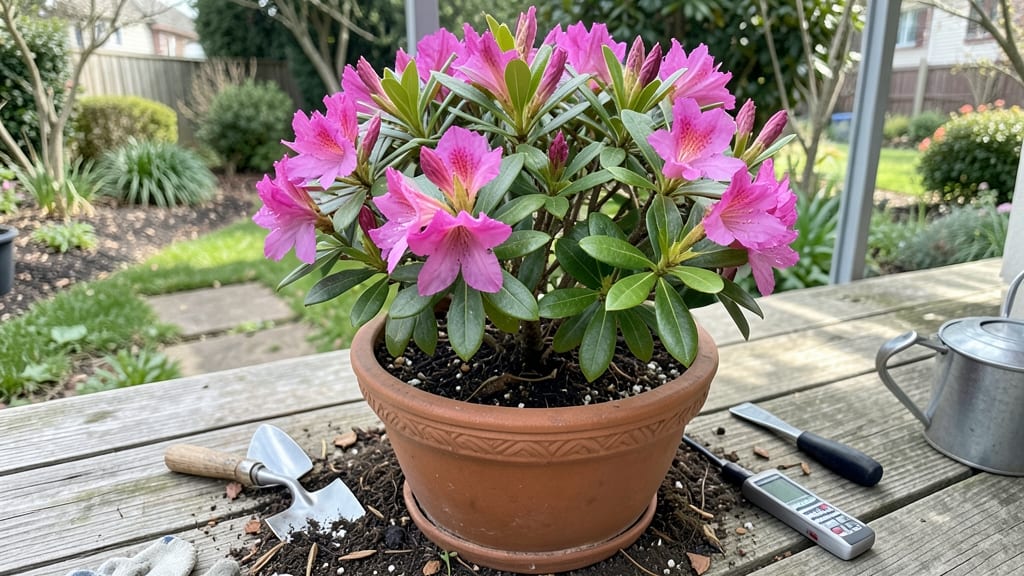
Your azalea potting soil mix makes all the difference between thriving plants and sad, sparse blooms. 🌸 The secret isn’t just the right ingredients—it’s creating that perfect acidic loam that azaleas crave, with just enough air and moisture to keep roots happy.
I learned this the hard way after my first azalea turned yellow within weeks of repotting. Start with equal parts peat moss and pine bark—this gives you that essential acidity (pH 4.5-5.5) while keeping the mix light and fluffy.
Add one-third perlite or coarse sand for drainage, because soggy roots are azaleas’ worst enemy. For extra nutrients, mix in a handful of sphagnum peat or composted pine needles—just enough to feed without overwhelming the mix.
Once mixed, your soil should feel like a damp, crumbly sponge, not compact or gritty. When repotting, use a container with drainage holes and fill it halfway with your mix before adding the plant. The roots will thank you with vibrant blooms and fewer yellow leaves next season.
This blend works for both container-grown azaleas and in-ground plantings. For commercial mixes, look for ones labeled "acid-loving plants" or "rhodo-dendron mix"—just double-check the pH before committing. Now let’s get those roots settled in!
📚 In This Guide
- What you need
- Instructions
- Tips and common mistakes
- Wrapping up and next steps
What you need
- ● Peat moss or coconut coir (acidic, moisture-retentive): 2 parts (by volume) – critical for acidity and aeration
- ● Pine bark fines or orchid bark (chunky, well-draining): 1 part – prevents compaction and improves airflow
- ● Perlite or pumice (volcanic, lightweight): ½ part – boosts drainage and prevents root rot
- ● Azalea-specific fertilizer (slow-release, acidic): 1 tbsp per gallon of mix – look for 12-12-12 or higher acidity blends
- ● Garden gloves – protects hands from sharp bark and soil
- ● Large mixing container or wheelbarrow – at least 5-gallon capacity
- ● pH testing kit – ensure mix stays 4.5–6.0 (azaleas are picky!)
- ● Spray bottle with water – moisten ingredients before mixing
- ○ Optional: Worm castings (½ cup per 5 gallons) – adds nutrients naturally
- ● Sulfur powder (if pH is too high) – adjusts acidity gradually
- ● Pre-mixed azalea soil (as a base) – for lazy gardeners!
How to create the perfect azalea potting soil mix
Azaleas thrive when you mimic their natural acidic forest floor—here's how to blend the ideal mix for lush, repeat-blooming shrubs.
🌱 Step 1: Gather the Right Base Materials
Start with 50% peat moss—this holds moisture while maintaining that crucial acidity azaleas crave. I measure it by volume in a wheelbarrow or large bin, spreading it evenly to avoid clumping. The peat should feel light but not powdery; if it crumbles too easily, add a splash of water and mix.
Next, combine 30% pine bark fines—these break down slowly to improve drainage and aeration. I sift mine to remove any large chunks that could disrupt the mix's even texture. The bark fines should look like coarse sand when dry, ensuring good airflow to those sensitive roots.
🌿 Step 2: Add Organic Matter for Nutrient Balance
Mix in 10% perlite to prevent compaction and keep roots breathing. I sprinkle it over the peat-bark blend, then fold it in gently with a garden fork—too much force will crush the perlite and defeat its purpose. The final texture should resemble crumbly cake batter, not dense soil.
For the remaining 10%, use sphagnum peat moss or leaf mold—both provide organic matter that holds nutrients while maintaining acidity. I test the pH of my mix with a soil meter after blending, aiming for a reading between 4.5 and 5.5. Anything higher, and you'll stunt blooms before they start.
✂️ Step 3: Adjust and Test Before Use
If your mix feels too dry, add 1 tablespoon of sulfur per gallon to boost acidity further. I stir it in thoroughly, then let the blend sit for 24 hours to allow the sulfur to fully integrate. This step is critical—azaleas won't tolerate pH above 6.0, and you can't fix that once planted.
Moisten the mix until it holds together when squeezed but doesn't drip. The ideal moisture level should feel like a wrung-out sponge—damp but not soggy. I always test a small batch first; once satisfied, I fill my 4 containers (as promised) with this custom blend, tamping it down lightly to eliminate air pockets.
🪴 Step 4: Prepare Containers for Planting
Use containers with drainage holes—azaleas hate wet feet. I line each pot with 1 inch of coarse gravel at the bottom before adding the mix, ensuring water can escape freely. The gravel should cover the holes completely, preventing soil from washing out while allowing excess moisture to drain.
Fill containers to within 1 inch of the rim, leaving space for mulch. I press the mix down gently with my fingers, creating a firm but not compacted surface. This prevents root shock when transplanting your azalea—roots need immediate contact with the acidic mix to start thriving.
Tips & tricks for perfect azalea potting soil mix
Between us, getting that perfect acidic blend for azaleas isn't just about throwing ingredients together—it's about creating the right environment for those delicate roots. Here's what I've learned after watching azaleas thrive (and wither) in my garden.
Texture is Everything: After mixing your 50% peat moss and 30% pine bark fines in Step 1, run your fingers through the blend. It should feel like crumbly cake batter—not dense or powdery. If it's too dry, spritz with water and mix again. The right texture ensures proper aeration, which prevents root rot. I've seen azaleas struggle when the mix was too compacted, so don't skip this check!
Perlite Placement Matters: When you add that 10% perlite in Step 2, sprinkle it evenly over the peat-bark blend rather than dumping it all in one spot. Then fold it in gently with a garden fork—no need to overmix. Perlite's job is to create air pockets, and crushing it defeats its purpose. Think of it like whisking eggs: just enough to incorporate without deflating the structure.
pH Testing is Non-Negotiable: That 4.5-5.5 pH range in Step 2 isn't just a suggestion—it's the difference between vibrant blooms and sad, sparse foliage. I test my mix with a soil meter after blending, and if it's above 5.5, I add that 1 tablespoon of sulfur per gallon as specified in Step 3. The 24-hour waiting period lets the sulfur fully integrate, so don't rush this step. Patience here means happier azaleas later.
Moisture Check Trick: For the moisture test in Step 3, squeeze a handful of your mix. It should hold together when pressed but not drip water when released—like a wrung-out sponge. If it crumbles, add a little more water; if it's dripping, mix in more pine bark fines to absorb the excess. This balance is crucial because azaleas hate soggy roots but also need consistent moisture to thrive.
Pro Tips for Azalea Potting Soil Mix
- Between us, getting that perfect acidic blend for azaleas isn't just about throwing ingredients together—it's about creating the right environment for those delicate roots.
- Texture is Everything: After mixing your 50% peat moss and 30% pine bark fines in Step 1, run your fingers through the blend.
- Perlite Placement Matters: When you add that 10% perlite in Step 2, sprinkle it evenly over the peat-bark blend rather than dumping it all in one spot.
Frequently asked questions
about azalea potting soil mix—because even the best gardeners need a little clarity! Whether you're troubleshooting, planning ahead, or just curious, here are answers to the most common queries.What’s the best ratio of peat moss to perlite for azaleas?
For azaleas, aim for a 60% peat moss (or coconut coir) to 30% perlite/vermiculite mix, with the remaining 10% for pine bark fines or sand. This balance ensures acidity, drainage, and aeration—critical for thriving blooms. Adjust perlite slightly if your mix feels too dense.
Can I reuse old azalea potting soil?
Reusing soil isn’t recommended after 1–2 years because it depletes nutrients and may harbor pests/diseases. Refresh with 20–30% new mix or compost, but sterilize (bake at 200°F for 30 mins) if repotting. Azaleas are finicky—fresh soil = happier plants!
How often should I water azaleas in this mix?
Water when the top 1–2 inches of soil feel dry (stick your finger in!). This mix drains well but retains moisture—overwatering is the #1 killer. In summer, water daily; in winter, reduce to 1–2x/week. Mulch helps retain moisture without soggy roots.
What if my azalea leaves turn yellow?
Yellow leaves usually signal overwatering, poor drainage, or nutrient deficiency. Check for:
- Soggy soil → Let dry out; add perlite to improve drainage.
- Pale yellow → Lack of iron (add chelated iron or compost).
- Brown edges → Underwatering or fluoride buildup (flush with rainwater).
Are there good alternatives to peat moss?
Yes! Swap peat moss for coconut coir (sustainable, holds moisture) or sphagnum moss (natural acidity). For texture, try rice hulls (instead of perlite) or orchid bark. Just ensure the mix stays acidic (pH 4.5–6.0)—test with a kit if unsure.
Wrapping up and next steps
Choosing the right azalea potting soil mix is the secret to thriving, vibrant blooms—without the pesky thorns! A well-balanced acidic loam blend with pine bark, peat moss, and perlite ensures your azaleas stay healthy and flourish.
With the right mix, you’re well on your way to a stunning, low-maintenance garden that’s as beautiful as it is resilient.
Ready to transform your garden? Grab your supplies, follow the steps, and watch your azaleas shine! 🌸✨