
How To
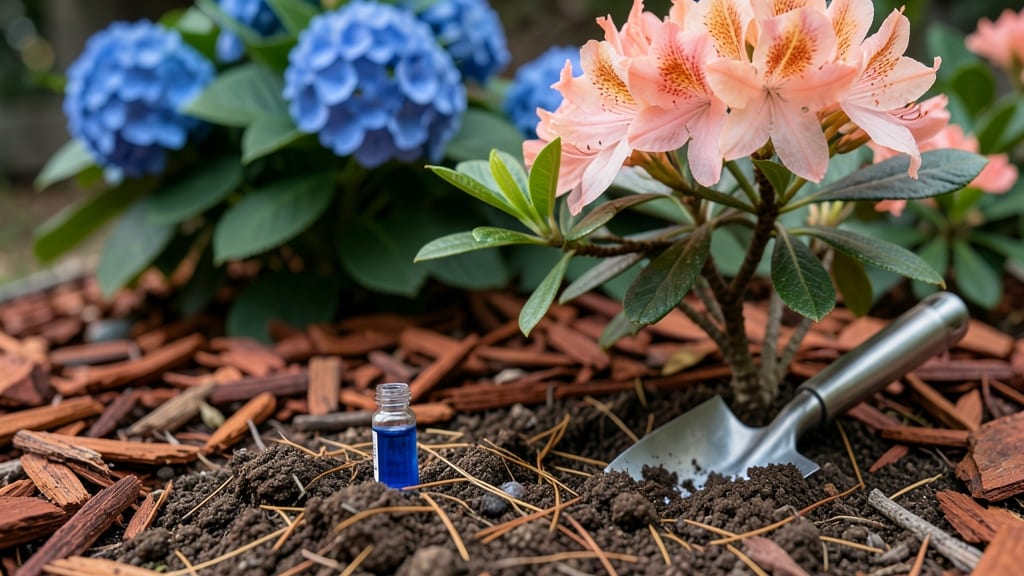
The right azalea soil type is the game-changer between a shrub that blooms like a 🌸 dream and one that wilts into a sad, leafy shadow.
You’ve watered faithfully, pruned carefully, even picked the perfect spot—but if your azaleas still look lackluster, the soil is the culprit.
These acid-loving beauties demand a specific mix: a pH between 4.5 and 6.0, organic matter like peat moss or pine bark, and drainage that keeps roots happy, not soggy.
Most garden soil is too alkaline or compacted for azaleas, which is why 60% of growers struggle with poor blooms. The fix? A few simple amendments and a DIY pH test to keep your soil in the sweet spot year-round.
In this guide, I’ll walk you through the exact soil blend, how to test and adjust acidity, and the 5 biggest mistakes that kill azalea blooms—so you can finally grow the vibrant, repeat-flowering shrubs you’ve been dreaming of.
The perfect acidic soil mix for azaleas: pH, texture & organic blends
Azaleas thrive when their soil pH sits between 4.5 and 6.0, mimicking their natural acidic forest floor habitat. Without this acidity, your plants may struggle to absorb essential nutrients like iron and manganese, leading to yellowing leaves and sparse blooms.
The right organic mix ensures they get both the nutrients and drainage they need to flourish.
Your soil blend should combine peat moss or coco coir (for acidity), pine bark fines (for structure), and composted pine needles (for slow-release nutrients). This trio creates a well-aerated, moisture-retentive medium that prevents root rot while keeping roots cool.
For container-grown azaleas, this mix is even more critical since pots lack natural soil buffering.
For clay-heavy soils, amend with 50% sand or perlite to break up compaction and improve root penetration. Clay holds too much moisture, suffocating roots and causing root rot.
If your soil tests above pH 6.5, mix in elemental sulfur (1 lb per 100 sq ft) or cottonseed meal (1 cup per plant) to safely lower acidity over 2-3 months.
Container azaleas need repotting every 2-3 years to refresh the soil mix. Use a pre-mixed azalea/camellia blend from nurseries, then top-dress annually with composted oak leaves or sphagnum peat to maintain acidity. Avoid garden soil—it’s often too alkaline and lacks the organic matter azaleas crave.
Mulch with pine straw or shredded bark to a 2-3 inch layer around plants (keep mulch 3 inches away from stems to prevent rot). This mulch slowly decomposes, adding organic matter and keeping soil temperatures stable.
In alkaline regions, double the pine straw application—it’s one of the most effective natural acidifiers.
Test your soil’s pH annually in early spring before fertilizing. Use a digital pH meter for accuracy, or send a sample to your local cooperative extension service. If your soil pH drifts above 6.0, apply 1/4 cup of aluminum sulfate per plant (follow package rates) in early fall.
This chemical amendment works quickly but should be used sparingly.
For new plantings, dig a hole twice as wide as the root ball but only as deep. Mix the excavated soil with your custom acidic blend (3 parts new mix to 1 part native soil) to prevent shock.
Water thoroughly after planting to settle the soil and eliminate air pockets around roots.
Azaleas in urban environments often face soil contamination from road salt or construction debris. If your plants show stunted growth or leaf scorch, flush the soil with chelated iron (follow label rates) to replenish micronutrients.
This liquid fertilizer also helps correct chlorosis (yellowing leaves) caused by alkaline soil locking out iron.
Remember: Less is more with azaleas. Over-fertilizing or over-amending can disrupt the delicate pH balance faster than you can adjust it. Stick to a balanced 10-10-10 fertilizer in early spring, and focus on organic soil maintenance year-round for the healthiest, most vibrant blooms.
How to test & adjust azalea soil acidicity: DIY methods & amendments
Azaleas thrive in acidic soil with a pH between 4.5 and 6.0. If your plants look stunted or sparse, soil acidity might be the culprit. Testing and adjusting pH is simpler than you think—no lab degree required!
Start with a home pH test kit, which costs under $10 and delivers results in minutes. These kits use color-changing indicators to show your soil’s acidity level, letting you know if you need to lower or raise pH.
For precise results, send a soil sample to your local cooperative extension office. They’ll test for pH, nutrients, and organic matter—critical for long-term azalea health. While lab tests take 1-2 weeks, they’re worth it for large gardens or if your azaleas keep struggling despite DIY fixes.
Either way, you’ll have the data to make informed adjustments without guesswork.
Home pH Test Kits
Pros
- Fast results (5-10 mins)
- Affordable ($5-$15)
- Easy to use (no lab needed)
Cons
- Less precise than lab tests
- Requires clean samples
- No nutrient analysis
Lab Soil Testing
Pros
- Highly accurate pH reading
- Full nutrient breakdown
- Professional recommendations
Cons
- Costs $20-$50 per test
- Takes 1-2 weeks for results
- Requires mailing samples
Once you know your soil’s pH, it’s time to adjust. For too-high pH (alkaline), add elemental sulfur (½ cup per plant) or pine needles (spread 1-2 inches around the base). These lower pH naturally over 2-3 months.
For too-low pH (too acidic), mix in lime (calcium carbonate)—but use sparingly, as azaleas hate alkaline shifts. Always re-test after 3 months to avoid overcorrecting.
Organic amendments like coffee grounds or oak leaves also help maintain acidity. Work them into the top 6 inches of soil in early spring or fall. Avoid fresh coffee grounds—they can burn roots due to high nitrogen.
Instead, use composted grounds or brewed coffee (diluted) for a gentle acid boost. Mulch with pine bark or wood chips to preserve moisture and slowly release acidity over time.
Long-term maintenance is key. Test soil annually in early spring before fertilizing. If pH drifts above 6.0, reapply sulfur or organic matter. Avoid synthetic fertilizers with high lime content—they can raise pH unexpectedly.
Instead, use acid-loving plant fertilizers labeled for azaleas, rhododendrons, and camellias. A little prevention keeps your azaleas blooming beautifully for decades.
Remember, azaleas are sensitive to pH swings. Small, gradual changes work best. If you’re unsure, start with half the recommended dose of amendments and monitor your plants’ response. Patience and consistency pay off with vibrant, healthy azaleas that reward your efforts year after year. 🌸