
Neem Oil
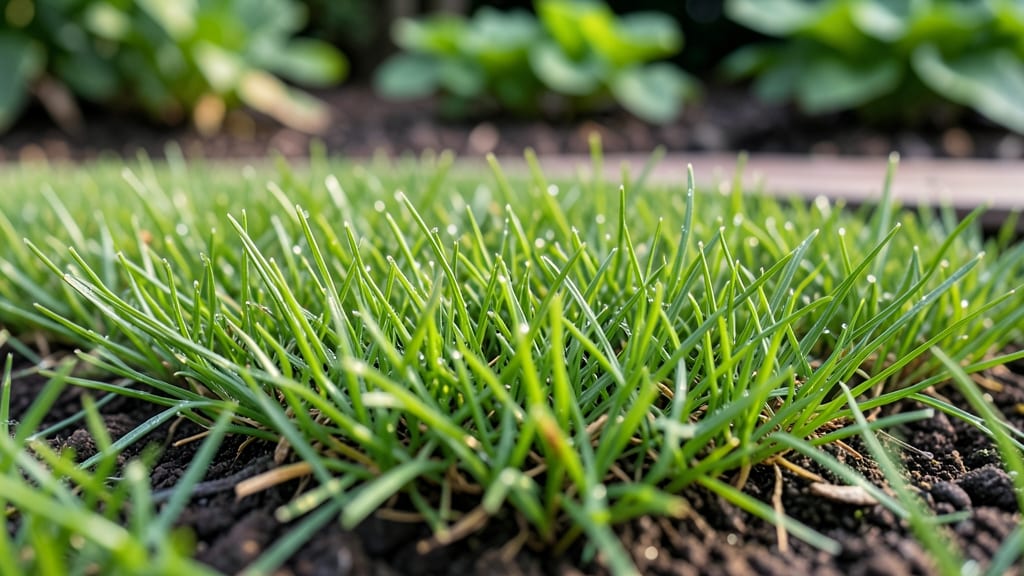
When pests turn your lawn into a battleground, Bayer Advanced Complete Insect Killer delivers targeted relief for soil and turf. 🌱 I’ve used it to stop grubs, ants, and chinch bugs before they destroy roots—often in just 7-14 days—without harming pets after proper drying.
The key is precision timing and application, not brute force.
This product works best when applied preventively in early spring or after identifying specific pests like white grubs or fire ants. A 0.5-mile radius coverage per bag means it’s cost-effective for mid-sized lawns, but always water lightly after application to activate the granules.
For organic buffers, pair it with milky spore for grub control or nematodes for soil-dwelling pests.
You’ll notice fewer brown patches and stronger grass growth within weeks, as the insecticide disrupts the pest life cycle at its source. The formula breaks down over time, reducing long-term environmental impact—though it’s not a standalone solution for severe infestations. Always follow label rates to avoid overapplication.
For holistic defense, combine with regular soil testing and beneficial nematodes to rebuild natural pest resistance. The goal isn’t just eradication, but a balanced ecosystem where pests can’t regain a foothold. Start with a small test area to gauge effectiveness in your specific soil type.
Root Causes Of Soil & Turf Pests
Unwanted pests in soil and turf aren’t just random bad luck—they thrive due to specific conditions that create the perfect environment for them. Understanding these root causes helps you take targeted action to prevent infestations before they spiral out of control.
Below, we break down the key triggers that invite pests into your lawn, garden beds, and soil, along with the science behind their persistence.
Healthy soil is a balanced ecosystem where beneficial microbes, fungi, and insects naturally regulate pest populations. When soil becomes nutrient-depleted, compacted, or chemically imbalanced, it weakens plants and attracts pests like grubs, ants, and termites. Here’s why:
- Lack of organic matter: Soil rich in decomposed plant material (like compost) supports microbial life that outcompetes pests. Low organic matter = fewer natural predators for pests.
- Overuse of synthetic fertilizers: Excess nitrogen or phosphorus can stimulate soft, sugary plant growth, which attracts sap-sucking insects (e.g., aphids, whiteflies). It also disrupts soil microbes that would otherwise suppress pests.
- pH extremes: Most pests prefer soil with a slightly acidic to neutral pH (6.0–7.0). If your soil is too alkaline (>7.5) or acidic (<5.5), it can stress plants, making them more vulnerable to attacks.
- Compaction: Heavy foot traffic or machinery crushes soil pores, reducing oxygen and water flow. This stresses roots and creates ideal hiding spots for grubs and larvae.
Actionable fix: Conduct a soil test to check pH and nutrient levels. Amend soil with compost, peat moss, or sulfur to restore balance. Avoid heavy machinery on wet soil to prevent compaction.
Water is life—but too much of it turns your lawn into a pest buffet. Many soil-dwelling insects and fungi thrive in damp, saturated environments, where they can burrow, reproduce, and feed unchecked. Here’s how excess moisture invites trouble:
- Grubs & larvae: Turf grubs (e.g., Japanese beetle larvae) require moist soil to survive. Overwatering keeps their eggs and larvae hydrated, accelerating their lifecycle.
- Fungal diseases: Excess moisture creates the perfect conditions for Rhizoctonia or Fusarium fungi, which weaken roots and attract secondary pests like ants and beetles.
- Ant colonies: Carpenter ants and fire ants seek out damp wood or thatch in overwatered lawns, using it as nesting material.
- Mold & mildew: These don’t just look unsightly—they smother grass roots, making plants more susceptible to pest attacks.
Actionable fix:
- Water deeply but infrequently (1–1.5 inches per week, including rain) to encourage deep root growth.
- Improve drainage with sand or gypsum in clay-heavy soils.
- Avoid watering in the evening to prevent prolonged moisture on grass blades.
Thatch—a layer of dead grass, roots, and stems between the soil and green blades—is normal in small amounts. But when it exceeds ½ inch, it becomes a pest paradise. Thatch traps moisture, blocks nutrients, and provides shelter for:
- Sod webworms: These caterpillars nest in thick thatch, feeding on grass roots and creating brown patches.
- Chinch bugs: They thrive in hot, dry thatch and pierce stems to suck out plant juices.
- Fungal pests: Thatch traps heat and moisture, accelerating fungal growth like brown patch disease.
- Ants & termites: They use thatch as a highway to reach wood or roots underground.
Actionable fix:
- Dethatch in early spring or fall using a rake or vertical mower (set to lift, not slice, blades).
- Apply nitrogen fertilizer to encourage new growth that breaks down thatch naturally.
- Keep grass at 2.5–3.5 inches tall to reduce thatch buildup.
Pests don’t randomly attack healthy plants—they home in on stress signals. When plants are nutrient-deficient, diseased, or physically damaged, they emit chemical cues that attract pests. Here’s how it works:
- Volatile organic compounds (VOCs): Stressed plants release scented chemicals (like methyl salicylate) that alert herbivorous insects to an easy meal.
- Soft, sugary growth: Over-fertilization or drought stress can make plants produce more sugars, which attract aphids, mealybugs, and scale insects.
- Open wounds: Pruning cuts, mower damage, or hail injuries create entry points for borers and beetles.
- Disease pressure: Fungal or bacterial infections weaken cell walls, making plants easier targets for secondary pests.
Actionable fix:
- Use balanced, slow-release fertilizers to avoid nutrient spikes.
- Water consistently to prevent drought stress (aim for 1 inch per week).
- Prune plants properly (at the right time, with clean tools) to minimize damage.
- Monitor for early signs of disease (e.g., yellowing, wilting, or spots) and treat promptly.
Sometimes, pests hitch a ride or are accidentally invited in through common landscaping habits. Here’s how:
- Mulch piles: Thick, damp mulch (especially wood chips) can attract termites, earwigs, and slugs if piled too high or too close to structures.
- Firewood storage: Stacking wood near your home unwittingly provides termites and carpenter ants with a food source.
- Improper disposal of plant debris: Leaving leaf litter or dead plants in one spot creates hiding spots for grubs and beetles.
- Pet waste: Dog or cat feces can introduce parasite eggs (like hookworms) into soil, indirectly affecting plant health.
- Chemical overuse: Repeated applications of broad-spectrum pesticides kill beneficial insects (like ladybugs and ground beetles) that naturally control pests.
Actionable fix:
- Store firewood at least 20 feet from your home and elevate it off the ground.
- Mulch in
Quick Fixes for Common Soil & Turf Pests
When pests invade your soil or turf, acting fast is key to protecting your lawn’s health and beauty. Bayer Advanced Complete Insect Killer for soil and turf provides a powerful, targeted solution—but knowing how to apply it (and when) makes all the difference.
Below, we break down practical fixes for the most common issues, from grubs to ants, along with prevention tips to keep your yard pest-free long-term.
Cause: White grubs (larvae of beetles) feast on grass roots, causing brown patches that pull up easily. Fix:
- 🔥 Spot-Treat First: Apply Bayer Advanced directly to affected areas, focusing on the soil line where grubs are most active. Use a spreader for even coverage.
- 👨🍳 Water In: Lightly water the treated area to help the granules activate and reach the root zone.
- 🌱 Monitor for 2–3 Weeks: Grubs may take time to die off, so reapply if patches persist.
💡 Prevention Tip:
- 🌡️ Time It Right: Apply Bayer Advanced in early summer (June–July) to target grubs before they peak. Repeat in fall for overwintering larvae.
- 🎯 Healthy Soil = Strong Defense: Aerate your lawn annually to improve root health, making it harder for grubs to establish.
Cause: Fire ants, pavement ants, or harvester ants create mounds and disrupt turfgrass growth. Fix:
- 🔪 Target the Mound: Pour Bayer Advanced granules directly onto ant mounds and surrounding soil. Avoid overwatering—ants dislike soggy conditions!
- ⏰ Reapply as Needed: Ants are persistent; check mounds after 7–10 days and treat again if active.
- 🌿 Rake Lightly: After treatment, gently rake the area to help granules penetrate deeper.
💡 Prevention Tip:
- ✨ Eliminate Moisture Traps: Fix leaky sprinklers or standing water near your lawn’s edge—ants thrive in damp spots.
- 🌱 Mulch Strategically: Use coarse mulch (like pine straw) around garden beds to deter ants from marching onto turf.
Cause: These small, black-and-white bugs drain grass of moisture, leading to yellow patches that spread quickly. Fix:
- 🍳 Broadcast Treat: Use a spreader to apply Bayer Advanced evenly over the entire affected area, not just the yellow spots (chinch bugs move!).
- 💦 Water Deeply After: Chinch bugs hide in shallow soil; deep watering helps the granules reach them.
- 🔍 Test for Success: After 10–14 days, lift a small section of turf. If you see fewer bugs, treatment worked!
💡 Prevention Tip:
- 🌡️ Mow High: Keep grass at 3–4 inches to shade out chinch bugs, which prefer dry, sunny conditions.
- 🎯 Drainage Check: Amend heavy clay soil with compost to improve drainage—chinch bugs love soggy spots.
Cause: Webworm larvae chew grass blades at the base, causing irregular brown patches (often in late summer). Fix:
- 🔥 Treat at Dusk: Apply Bayer Advanced in the evening when webworms are most active. Use a spreader for large areas.
- 👨🍳 Overlap Edges: Webworms spread fast—overlap treatment zones by 2–3 feet to prevent reinfestation.
- 🌱 Reseed if Needed: If damage is severe, overseed bare spots with cool-season grass in fall.
💡 Prevention Tip:
- 🌿 Rotate Treatments: Alternate Bayer Advanced with other insecticides (like neem oil) seasonally to avoid resistance.
- 🎯 Encourage Predators: Birds and parasitic wasps eat webworms—avoid overusing pesticides to keep natural controls in balance.
For multiple pests (e.g., grubs + ants + chinch bugs), follow this 3-step plan: 1. 🔍 Identify: Dig up a small section of turf to confirm the pest (grubs? ants?).
- 🍳 Apply Bayer Advanced: Use the granular formula for soil pests (not sprays for turf).
- 💦 Water Lightly: Helps granules bind to soil but doesn’t wash them away.
✨ Pro Tip: For organic lawns, mix Bayer Advanced with neem oil or diatomaceous earth for a dual-action approach.
Remember: Consistency is key. Most soil pests take 2–4 weeks to fully eradicate. Combine Bayer Advanced with smart lawn care (proper watering, mowing, and aeration) for a pest-proof yard all season long.
Frequently asked questions
How long does Bayer Advanced Complete Insect Killer stay effective in the soil?
The granules provide protection for up to 3 months after application, breaking down gradually. For long-term control, reapply every 3 months or as needed based on pest activity. The active ingredients work by disrupting the pest's nervous system, which takes 7-14 days to fully eliminate existing populations.
Is Bayer Advanced safe for pets after application?
Wait 24-48 hours after treatment before allowing pets back on treated areas. The granules are designed to stay in the soil, but it's safest to keep pets off until fully dry. For extra caution, apply in the evening when pets are less active and water lightly to help granules settle.
Can I use this product on vegetable gardens or flower beds?
Yes, but follow the label instructions carefully. For edible plants, wait 7 days before harvesting after application. The granules work best in soil rather than on plant surfaces, so focus on the root zone. For delicate flowers, spot-treat only where pests are visible rather than broadcasting across the entire bed.
What's the best time of year to apply Bayer Advanced?
Apply in early spring (March-April) to prevent pests before they establish, and again in late summer (August-September) to target overwintering larvae. For ants, treat when you first notice mounds appearing, typically in warm months when colonies are most active.
How do I know if my lawn has a pest problem?
Look for these signs: irregular brown patches that pull up easily (grubs), small mounds of dirt (ants), or yellowing grass that spreads quickly (chinch bugs). Dig up a small section of turf - if you see white grubs, larvae, or tiny black bugs, you likely have an infestation. Early detection is key to effective treatment!