
Tools
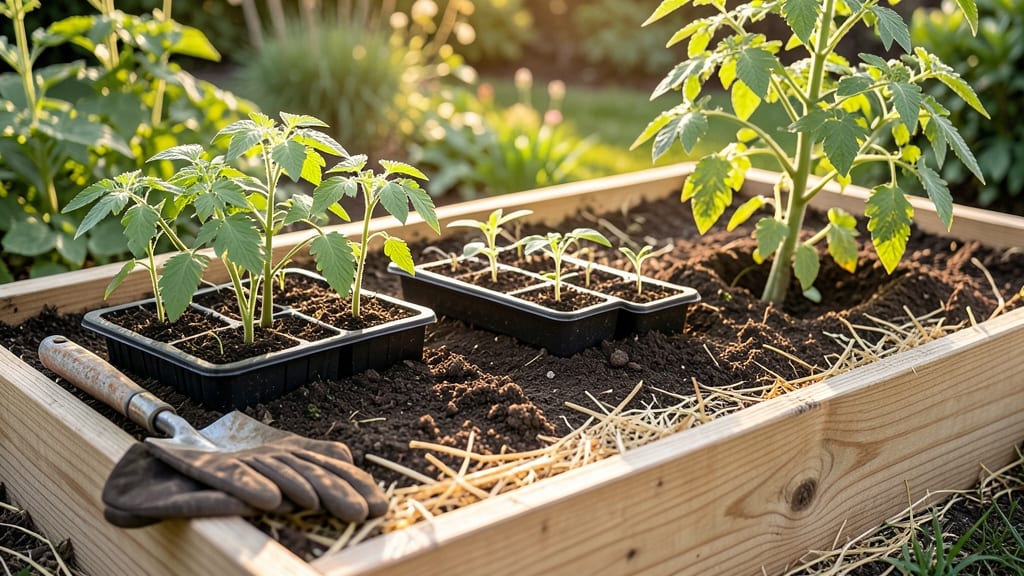
Can garden soil be used in raised beds? The answer is yes—but only if you transform it first. 🌱 Garden soil packed into raised beds creates drainage nightmares, nutrient imbalances, and weed invasions—unless you know how to fix it.
I’ve salvaged countless raised beds by amending the soil properly, and the difference is night-and-day growth.
The problem isn’t the soil itself—it’s how it behaves when confined. Garden soil compacts easily, smothers roots, and drains too slowly in clay-heavy areas or too fast in sandy spots.
But with the right mix of compost, perlite, and organic matter, you can transform it into light, fluffy, nutrient-rich growing medium that outperforms store-bought blends.
What you’ll end up with is a raised bed that holds moisture without drowning roots, feeds plants steadily, and stays weed-free for years. The secret? A 30-40% compost blend mixed into your existing soil, plus a top layer of fresh mulch to lock in nutrients and prevent compaction.
Works for any vegetable, flower, or herb—just adjust the compost ratio based on your soil’s starting quality. Here’s how to test it and keep it thriving long-term.
📚 In This Guide
- What you need
- Instructions
- Tips and common mistakes
- Wrapping up and next steps
What you need
- ● Garden soil (from your yard or garden) – At least 2–3 cubic feet per square foot of raised bed (e.g., a 4’x8’ bed needs ~64 cubic feet). Test it first for drainage and nutrient levels!
- ● Organic amendments (pick 1–2): Compost (1–2 parts per 3 parts soil)
- ● Peat moss or coconut coir (for moisture retention)
- ● Aged manure or worm castings (for nutrients)
- ● Perlite or vermiculite (1 part per 5 parts soil mix) – Improves drainage and aeration.
- ● Garden fork or tiller – For turning and mixing soil thoroughly.
- ● Gloves and dust mask – Protect yourself from debris and soil particles.
- ● pH testing kit – To check soil acidity (ideal range: 6.0–7.0 for most plants).
- ● Raised bed frame – Pre-built or DIY (wood, cedar, or composite materials).
- ● Landscape fabric or cardboard – To block weeds and grass from invading your soil mix.
- ● Slow-release fertilizer (e.g., 10-10-10 or organic options like bone meal or kelp meal).
- ● Biochar or sand – For extra drainage in heavy clay soils.
- ● Soil moisture meter – To monitor water levels, especially in hot climates.
- ● Mulch (straw, wood chips, or leaves) – To retain moisture and suppress weeds.
- ● Watering can or hose with a gentle spray nozzle – For even distribution.
Step-by-Step guide to using garden soil in raised beds
Let’s cut through the confusion—here’s how to use garden soil properly in raised beds.
🪴 Step 1: Test Your Garden Soil First
Before you move any soil into your raised beds, grab a handful and squeeze it tightly. If it stays in a hard clump when you release pressure, it’s too dense and will compact in your raised bed. Good garden soil should crumble easily when dry and hold moisture without feeling soggy.
Dig a small hole in your garden, fill it with water, and time how long it takes to drain. If water pools or drains slower than 2-3 hours, your soil is too heavy for raised beds. Clay-heavy soils are the biggest culprits—amending them with organic matter helps, but even then, they’re not ideal for raised gardening.
🌱 Step 2: Mix Garden Soil with Amendments
If your garden soil passes the basic test, blend it with 30-50% compost or aged manure to lighten the texture and improve drainage. I like to use a 2:1 ratio of garden soil to compost—this keeps the natural structure while adding nutrients. Avoid fresh manure, which can burn plants due to high ammonia levels.
For heavy clay soils, mix in 2-3 inches of coarse sand or perlite per cubic foot of soil. This creates air pockets that prevent compaction. Work the amendments into the top 6-8 inches of soil—deeper mixing isn’t necessary in raised beds, where roots won’t penetrate that far.
☀️ Step 3: Layer for Optimal Drainage
In raised beds, drainage is key—so layer your soil mix properly. Start with a 2-inch layer of coarse gravel or broken pottery pieces at the bottom to prevent waterlogging. This isn’t just for aesthetics; it ensures excess water drains away from roots.
Next, add a 4-inch layer of straw or leaves> as a mulch base. This decomposes slowly, adding organic matter over time. Finally, top with your amended garden soil mix, leaving 1-2 inches of space> at the top for mulch or top dressing later.
💧 Step 4: Monitor Moisture and Adjust
After planting, check the soil moisture by sticking your finger 1-2 inches deep>. If it feels dry, water deeply until moisture reaches 6 inches down>. Overwatering is just as bad as underwatering—raised beds dry out faster, but they also drain quickly, so consistency matters.
If your plants show signs of stress—yellowing leaves, stunted growth—your soil may still be too dense. Add a 1-inch layer of compost> around plants and water lightly to settle it in. This boosts nutrients without overwhelming the roots.
✂️ Step 5: Maintain Soil Health Long-Term
Every spring, top-dress your raised beds with 1-2 inches of compost> to replenish nutrients. This is especially important if you used garden soil, which may lack the microbial diversity of dedicated potting mixes. Avoid tilling—it disrupts soil structure and releases carbon.
Watch for weeds creeping in from garden soil. Pull them early before they compete with your crops. If you notice pests, a light application of diatomaceous earth> or neem oil keeps them at bay without harming beneficial insects.
Tips & tricks for perfect raised bed soil mixes
Working with garden soil in raised beds can be tricky—here's how to avoid common pitfalls and get the most out of your setup.
Soil Texture Test: In Step 1, when you test your garden soil, pay attention to how it feels when dry. If it crumbles easily between your fingers, it's ready for your raised beds. I've found that adding a handful of sand to clay-heavy soils makes a noticeable difference in drainage—just mix it in thoroughly during Step 2.
Amendment Ratio: The 2:1 ratio of garden soil to compost in Step 2 is ideal, but don't be afraid to adjust slightly based on your soil type. For sandy soils, you might reduce compost to 1:1 to prevent over-amending. The key is to maintain that loose, crumbly texture we want for root growth.
Layering Strategy: When creating your drainage layers in Step 3, consider using broken terracotta pots instead of gravel—they're more sustainable and create better air pockets. I've seen some gardeners use a combination of both for even better results. Remember to leave that 1-2 inch space at the top for future top-dressing!
Moisture Monitoring: For Step 4, I recommend keeping a small moisture meter handy. While the finger test works, a meter gives you more precise readings, especially in the critical 1-2 inch depth range. If you notice your plants wilting despite regular watering, it might be time to check for compaction or root-bound issues.
Pro Tips for Can Garden Soil Be Used In Raised Beds
- Working with garden soil in raised beds can be tricky—here's how to avoid common pitfalls and get the most out of your setup.
- Soil Texture Test: In Step 1, when you test your garden soil, pay attention to how it feels when dry.
- Amendment Ratio: The 2:1 ratio of garden soil to compost in Step 2 is ideal, but don't be afraid to adjust slightly based on your soil type.
Frequently asked questions
Got questions about using garden soil in raised beds? You’re not alone! Here are some common concerns—and clear answers—to help you make the best choice for your plants.
Is garden soil safe to use directly in raised beds?
Yes, but only if it’s healthy! Garden soil can work, but test it first for pests, diseases, or poor drainage. If it’s compacted or clay-heavy, mix it with compost, perlite, or coconut coir to improve aeration and structure. Avoid soil from areas treated with herbicides or contaminated with weeds.
When is the best time to add garden soil to a raised bed?
The ideal time is before planting—ideally 4–6 weeks ahead. This gives microbes time to break down organic matter and stabilize the soil. If you’re adding it mid-season, do so gradually to avoid shocking plant roots. Early spring or fall are the most convenient times for prep.
How much garden soil should I mix with other materials?
A good rule of thumb is a 50/50 blend of garden soil and amendments like compost or peat moss. For heavy clay soil, try a 30% garden soil, 40% compost, and 30% perlite/sand mix. Adjust based on your soil’s texture—aim for a crumbly, moisture-retentive but well-draining medium.
What if my plants look unhealthy after using garden soil?
Yellowing leaves, stunted growth, or wilting could signal poor drainage, nutrient deficiencies, or pests. Flush the soil with water to check drainage, add a balanced fertilizer, and inspect for insects. If issues persist, consider replacing the top layer of soil with fresh, amended mix.
Are there better alternatives to garden soil for raised beds?
Consider sterile potting mix, compost, leaf mold, or a custom blend of coconut coir, worm castings, and perlite. These options are lighter, pest-free, and packed with nutrients. For long-term beds, a “lasagna gardening” approach (layering cardboard, compost, and soil) works wonders too!
Wrapping up and next steps
So, can garden soil be used in raised beds? The answer is yes—but with a few smart tweaks! While it’s a great starting point, blending it with compost, organic matter, or even store-bought amendments will boost drainage, nutrients, and plant health.
Your raised beds are now ready to thrive with minimal fuss! 🌱
Ready to get growing? Start small:
- Test a small section first to monitor plant response.
- Keep a soil journal to track improvements over time.