
Neem Oil
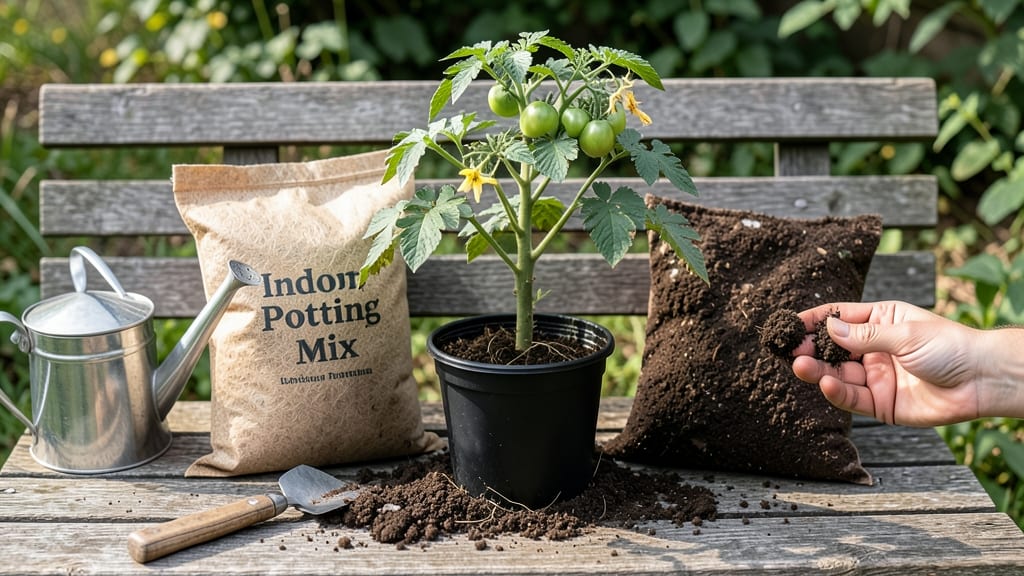
You should not use indoor potting soil outside because it lacks the proper nutrient balance, compacts easily, and drains poorly for garden plants. Instead, use native soil mixes or garden soil that support outdoor plant health and root development.
Indoor potting mixes are formulated for container plants with controlled watering and nutrient needs, but outdoor gardens require different conditions.
The high organic matter in potting soil breaks down too quickly, leaving roots starved for nutrients. 🌱 Plus, it lacks the mineral content and structure needed for long-term soil health in open beds.
For best results, combine garden soil with compost to create a balanced, well-draining foundation that supports root growth and microbial activity.
If you're working with existing soil, conduct a simple test: squeeze a handful—if it forms a tight ball, it's too compacted. Adding sand or perlite can improve drainage, while compost boosts organic matter.
For heavy clay soils, raised beds with a mix of topsoil and compost often yield the best results.
💡 In This Article
- Why Indoor Potting Soil Fails in Outdoor Gardens
- Best Outdoor Soil Alternatives for Healthy Garden Growth
Why indoor potting soil fails in outdoor gardens
Indoor potting mixes are designed for controlled environments where plants receive frequent watering and fertilization, but outdoor gardens operate under very different conditions. The high organic matter content—typically 50-70% in potting soil—breaks down rapidly when exposed to outdoor elements like rain, wind, and microbial activity.
This rapid decomposition can leave roots starved for nutrients within just 2-4 weeks, creating a cycle of hunger that stunts plant growth.
The texture of potting soil is another major issue. It’s formulated to be lightweight and airy, which prevents compaction in containers but becomes a problem in garden beds. When tilled into outdoor soil, it creates pockets of loose, fluffy material that don’t integrate well with native soil structure.
This mismatch leads to poor root establishment, as plants struggle to anchor themselves in a medium that lacks the mineral-rich stability of garden soil. 🌱 Over time, these pockets also compact unevenly, creating waterlogged zones that suffocate roots.
Nutrient imbalances are another critical factor. Indoor mixes are packed with slow-release fertilizers tailored to container plants, but outdoor gardens need a broader spectrum of minerals like phosphorus, potassium, and micronutrients that support long-term growth. Potting soil often lacks these, leading to deficiencies like yellowing leaves (chlorosis) or weak stems.
Additionally, the pH levels in potting soil—typically 5.5-6.5—can shift dramatically when exposed to outdoor conditions, further disrupting nutrient availability for plants.
Consider the case of tomatoes, which thrive in well-draining, nutrient-rich soil. If planted in potting soil, their roots may initially grow well, but within weeks, the lack of structural support and nutrient depletion can cause blossom-end rot or stunted fruit production.
This is why gardeners often see disappointing results when using potting soil in raised beds or in-ground plantings, despite initial expectations.
Microorganisms play a key role too. Outdoor soil hosts a diverse ecosystem of beneficial bacteria and fungi that help break down organic matter and cycle nutrients. Potting soil, however, is often pasteurized or contains limited microbial life, so it fails to support this critical ecosystem.
Without these helpers, plants become more susceptible to pests and diseases, as the soil lacks the natural defenses found in well-established garden beds.
Finally, water retention is a double-edged sword. While potting soil holds moisture well for container plants, it can become too soggy in outdoor conditions, leading to root rot. The lack of natural soil structure means water doesn’t drain evenly, creating pockets where roots suffocate.
This is especially problematic for plants like herbs or vegetables that prefer well-aerated soil.