
Fertilization
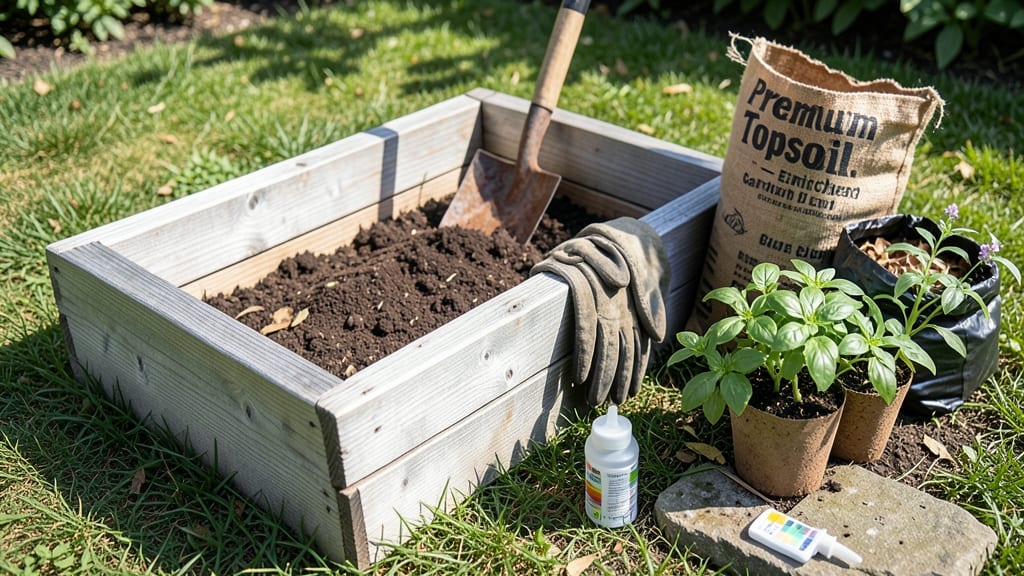
You can use garden soil in raised beds, but it’s risky due to hidden weeds, pests, and poor drainage. To improve it, blend with compost and organic matter or opt for a specialized raised-bed mix for better fertility and structure.
Garden soil often hides dormant weed seeds, pest larvae, and compacted layers that restrict root growth in raised beds. 🌱 These issues can reduce plant health and yield over time, especially for heavy feeders like tomatoes or peppers.
Instead of relying solely on garden soil, I recommend mixing it with 50% compost and 20% perlite or coconut coir to improve aeration and moisture retention. For a no-fuss solution, pre-mixed raised-bed blends eliminate guesswork while ensuring optimal drainage and nutrient balance.
If you’re working with limited resources, start with a 60-40 garden soil-to-compost ratio and adjust based on your plants’ needs. For example, leafy greens tolerate denser mixes better than root vegetables, which require looser, faster-draining soil.
Testing your soil’s pH and nutrient levels before planting can also help tailor the mix to your garden’s specific requirements.
💡 In This Article
- Risks of Using Garden Soil in Raised Beds
- Best Soil Mixes for Raised Garden Beds
Risks of using garden soil in raised beds
Garden soil often contains dormant weed seeds that can sprout uncontrollably in raised beds, competing with your crops for nutrients and sunlight. A single cubic yard of garden soil may harbor 10,000-50,000 weed seeds, with some species like crabgrass producing up to 150 seeds per plant.
These weeds don't just steal resources—they can also harbor diseases that spread to your vegetables, creating a vicious cycle of poor plant health.
The compacted texture of garden soil is another major issue, as it restricts root growth and oxygen flow to plant roots. Most garden soils develop a dense layer from foot traffic or machinery, with bulk densities reaching 1.4-1.6 grams per cubic centimeter—nearly twice as dense as ideal raised-bed soil.
This compaction forces roots to grow in tight, shallow patterns, making plants more vulnerable to drought stress and wind damage. 🌱 The result? Stunted growth and reduced yields, especially for deep-rooted crops like carrots or potatoes.
Pest eggs and larvae are hidden threats in garden soil, with some species like cutworms overwintering in the soil and emerging when conditions warm. A single square foot of garden soil can contain hundreds of pest eggs, which hatch into voracious feeders that can decimate seedlings overnight.
Even "clean" garden soil may contain fungal spores that thrive in the moist, warm environment of raised beds, leading to diseases like damping-off that kill young plants before they establish.
Nutrient imbalances are another concern, as garden soil often lacks consistent organic matter. While it may contain some nitrogen from decomposed plant material, the phosphorus and potassium levels are typically unpredictable. This inconsistency forces you to rely more heavily on fertilizers, which can lead to over-application and environmental runoff.
For example, a standard garden soil might have 20-50 ppm available phosphorus, while raised-bed mixes designed for vegetables often contain 50-100 ppm for optimal growth.
Perhaps most problematic is the variable pH of garden soil, which can range from 4.5 to 8.5 depending on your location. Many vegetables thrive in a narrow pH range of 6.0-7.0, so using unamended garden soil might require constant pH adjustments.
For instance, blueberries need acidic soil (pH 4.5-5.2), while tomatoes prefer slightly acidic to neutral (pH 6.0-6.8)—mixing these in the same bed without testing creates an unstable growing environment.
What most gardeners don't realize is how these issues compound over time. A raised bed filled with unamended garden soil may produce decent results the first year, but by year two or three, the weed pressure, compaction, and nutrient depletion become impossible to ignore without significant intervention.
The cumulative effect is often visible in reduced plant vigor, increased pest cycles, and lower harvests—making the initial "savings" of using free garden soil a false economy. 💫