
Neem Oil
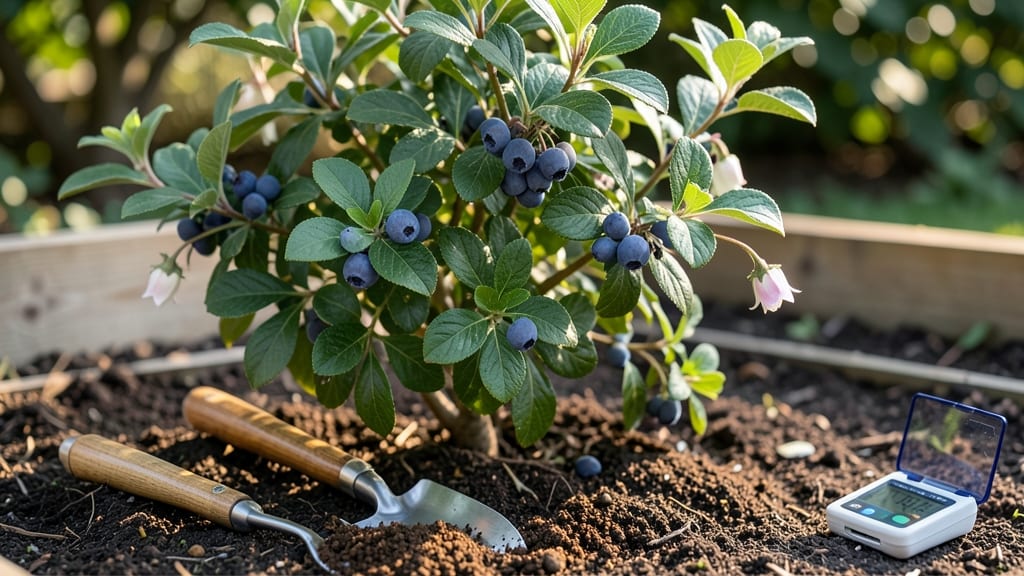
Using coffee grounds for soil acidity is a natural way to lower pH, but you should use them carefully—1 to 2 cups per plant every 3 to 4 months—to prevent over-acidification that can damage roots. Always compost them first to avoid mold and nutrient imbalance.
Coffee grounds work because they contain organic acids that gradually break down in soil, creating a slow-release effect on pH levels. 🌱 The nitrogen content also feeds beneficial microbes, but too much can create anaerobic pockets that suffocate roots.
I recommend mixing them into compost first to stabilize their acidity before applying—this gives you more control over how much acidity your plants actually receive.
For best results, focus on acid-loving plants like azaleas, blueberries, or gardenias. Sprinkle a thin layer around the base in spring or fall, then water thoroughly to help distribute them evenly.
Watch for signs of overuse: yellowing leaves or stunted growth mean you’ve gone too far, and it’s time to switch to lime or compost to balance things out.
💡 In This Article
- How Coffee Grounds Affect Soil pH and Plant Nutrition
- Best Practices for Applying Coffee Grounds to Acid-Loving Plants
How coffee grounds affect soil pH and plant nutrition
The magic happens because coffee grounds contain chlorogenic acid and other organic acids that slowly break down in soil, releasing hydrogen ions (H+) that lower pH over time. Unlike synthetic fertilizers, this process is gradual—typically taking 2-4 weeks to show measurable effects.
The nitrogen content (about 2% by weight) also feeds soil microbes, creating a mini ecosystem that improves nutrient cycling. But here's the catch: too much nitrogen can create anaerobic zones where roots suffocate, especially in heavy clay soils.
Think of it like a slow-release acidity bomb. Fresh coffee grounds have a pH of about 4.85-5.10, but as they decompose, they can drop soil pH by 0.5-1.0 points over a few months.
For comparison, that's similar to adding a pinch of sulfur but without the risk of sudden pH swings.
The key is balance—too much acidity locks out essential nutrients like phosphorus and calcium, which plants need for strong roots and stems. 🌿 This is why composting grounds first is critical: it stabilizes their acidity and reduces the risk of nutrient imbalance.
Different plants respond uniquely to this acidity shift. Acid-loving plants like blueberries thrive at pH 4.5-5.5, while vegetables like tomatoes prefer 6.0-7.0. The nitrogen boost also varies—fresh grounds release nitrogen quickly, which can burn plants if applied directly.
That's why mixing them into compost first creates a safer, more controlled release. I've seen gardeners accidentally turn their soil too acidic when they dump used grounds directly around plants without composting them first.
Here's what's happening under the soil surface: The organic acids dissolve slowly, releasing hydrogen ions that react with soil minerals. This process is called cation exchange, where hydrogen ions displace other nutrients like calcium and magnesium on soil particles.
The result? More acidity, but also a potential nutrient deficit if not managed properly. For example, azaleas love this acidity, but roses might show signs of stress like yellowing leaves if the pH drops too low.
Consider this: A 1-cup application of composted coffee grounds spread over 10 square feet will typically lower soil pH by about 0.2-0.3 points over 3 months. That's why most experts recommend testing soil pH before and after application.
You can use a simple pH test kit (around $10) to monitor changes. The goal is to keep pH in the ideal range for your plants—usually between 5.5-6.5 for most garden plants.
One common mistake is assuming all coffee grounds are equal. Dark roast grounds have slightly less acidity than light roast because the roasting process breaks down some of the organic acids. However, they still contain enough nitrogen to benefit soil microbes.
The real difference comes from how they're applied: fresh grounds work faster but risk over-acidification, while composted grounds provide steady, long-term benefits without the risk of burning plants.
For those who want to go deeper, here's a pro tip: Mix coffee grounds with wood ash in a 3:1 ratio to create a natural pH buffer.
The ash raises pH slightly, while the grounds lower it—this gives you precise control over the final soil acidity. 💡 It's like having a natural pH tuning dial for your garden soil.