
Tools
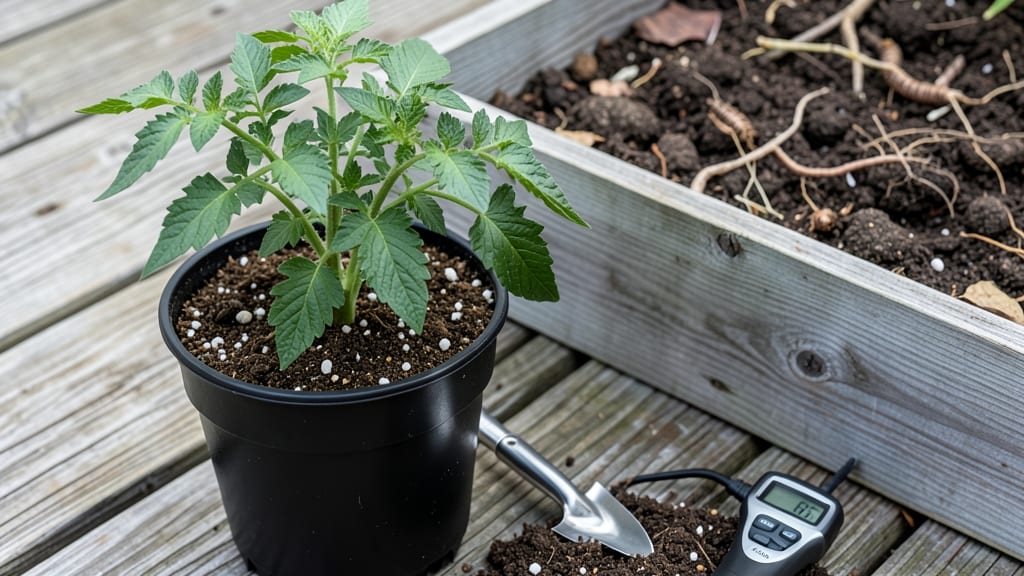
Potting soil and garden soil might look similar, but they’re built for completely different jobs—and mixing them up can mean the difference between thriving plants and struggling ones. 🌱 I’ve seen firsthand how using the wrong soil can stress plants, stunt growth, or even kill them, especially in containers where drainage and aeration matter most.
Garden soil is the heavyweight champ for in-ground planting: it’s packed with organic matter, holds moisture well, and supports root systems that spread underground. Potting soil, on the other hand, is lightweight, airy, and designed to drain fast—critical for containers where roots can’t escape.
It’s also sterile to avoid introducing weeds or diseases, while garden soil often contains seeds and microbes already.
Here’s the game-changer: potting soil is your go-to for anything in pots, hanging baskets, or raised beds, while garden soil belongs in flower beds, vegetable plots, or anywhere roots need to stretch deep.
Mixing them? Only if you’re amending heavy clay or sandy soil for specific plants—like adding potting soil to improve drainage in garden beds for bulbs or shallow-rooted perennials.
Pro tip: Check the label—potting soil should say “for containers” or “seed starting mix,” while garden soil is labeled for “in-ground use.” Your plants will thank you for getting it right!
The first product explained
Meet Miracle-Gro Indoor Potting Mix—your ultimate ally for thriving container plants! 🌱✨ This premium potting soil is specifically engineered to deliver exceptional drainage, aeration, and nutrient retention, making it a top choice for both beginners and seasoned gardeners. Whether you're nurturing herbs, succulents, or lush houseplants, this mix ensures your green babies get the perfect growing environment.
📏 Key Specs & Features
- Composition: Blend of peat moss, perlite, vermiculite, and compost for optimal moisture control and root health.
- Nutrient Boost: Enriched with essential micronutrients (like nitrogen, phosphorus, and potassium) to support robust growth.
- Drainage: Lightweight formula prevents waterlogging, reducing the risk of root rot.
- pH-Balanced: Slightly acidic (around 5.5-6.5) to suit most indoor plants.
- Bag Size: Available in 8-quart and 18-quart options for small pots or larger containers.
- Organic-Friendly: Free from synthetic chemicals, making it safe for organic gardening.
🎯 Who’s It For?
This potting mix is a game-changer for:
- 🌿 Indoor plant parents (think ferns, snake plants, or pothos).
- 🏡 Urban gardeners with limited outdoor space.
- 🛒 DIYers repurposing containers into planters.
- 🌵 Succulent and cactus lovers needing fast-draining soil.
- 🎨 Creative souls experimenting with hydroponics or self-watering pots.
💰 Price Point & Value
The 8-quart bag typically retails for $6.99–$9.99, while the 18-quart bag ranges from $12.99–$16.99, depending on retailers (check Amazon, Home Depot, or local garden centers).
For the price, you’re getting a high-performance, ready-to-use mix that cuts down on guesswork—no need to amend soil separately! 💡 Pro tip: Buy in bulk if you’re a plant enthusiast; the cost per quart drops significantly with larger bags.
⚠️ Things to Note
While this mix is fantastic for containers, it’s not ideal for in-ground gardening—its lightweight texture won’t provide enough structure for outdoor beds. Also, sterilized to kill weeds and pathogens, so it’s perfect for starting fresh but may lack the microbial diversity of garden soil.
The second product explained
If you're looking for a versatile, nutrient-rich option that bridges the gap between potting and garden soil, Miracle-Gro Performance Organics All Purpose Garden Soil is a fantastic choice! 🌱💚 This premium blend is designed to revitalize your yard, garden beds, or even containers with ease. Here’s why it stands out:
Key Specs & Features
This product comes in a 2.0 cu. ft. bag, making it ideal for both small and medium-sized projects. It’s a well-balanced mix of organic matter, compost, and essential nutrients, including:
- Slow-release nitrogen for steady plant growth
- Mycorrhizal fungi to boost root development
- Natural soil conditioners like coconut coir and peat moss
- No synthetic chemicals—perfect for organic gardening
Who Is It For?
This soil is a game-changer for:
- 🌿 Home gardeners looking to improve flower beds, vegetable patches, or shrubbery
- 🏡 New landscapers who want a no-fuss, nutrient-packed base for lawns or ground covers
- 🌱 Organic enthusiasts prioritizing chemical-free, sustainable growing
- 🛠️ DIYers tackling raised beds or in-ground planting projects
Price Point & Value
Priced around $12–$15 per 2.0 cu. ft. bag, this soil offers exceptional value for its quality and versatility. While it’s slightly more expensive than basic garden soil, the long-term benefits—like healthier plants, reduced watering needs, and fewer fertilizers—make it a smart investment.
Plus, one bag covers 8–10 sq. ft. at 3 inches deep, so it goes a long way!
💡 Pro Tip: Mix this soil with your existing garden soil (50/50 ratio) to enhance drainage and fertility without a full replacement. Ideal for reviving tired soil or preparing new planting areas!
Head-to-head comparison
Now that you’ve got the basics down, let’s dive into a side-by-side comparison of potting soil and garden soil. Whether you’re a seasoned gardener or just starting out, understanding these differences will help you make the right choice for your plants. Here’s how they stack up across key dimensions:
🌱 Performance: What Works Best for Your Plants?
Performance is where potting soil and garden soil show their biggest differences—and where one might clearly win depending on your needs.
- Potting Soil: Designed for containers, it’s lightweight, aerated, and packed with nutrients to support root growth in confined spaces. 🌿 It drains quickly to prevent soggy roots, which is critical for plants in pots. Ideal for houseplants, herbs, vegetables, and flowers that thrive in controlled environments.
- Garden Soil: Built for in-ground planting, it’s heavier and retains moisture longer to support deep root systems. 🌍 Perfect for shrubs, trees, perennials, and large plants that need stability and space to spread. However, it can compact over time, reducing aeration for container plants.
Pro Tip: 💡 If you’re growing plants in both soil types, consider mixing potting soil with garden soil (e.g., 50/50) for raised beds or large containers to balance drainage and nutrient retention.
📏 Features: Composition and Texture
The ingredients and texture of each soil type directly impact how plants grow. Here’s what sets them apart:
| Feature | Potting Soil | Garden Soil |
|---|---|---|
| Primary Ingredients | Peat moss, coconut coir, perlite, vermiculite, compost, and synthetic fertilizers. 🌱 | Natural components like clay, sand, silt, decomposed organic matter, and local minerals. 🏡 |
| Texture | Fluffy, loose, and well-aerated to prevent compaction. 🏗️ | Denser and heavier, with a natural structure that supports stability. |
| Moisture Retention | Moderate—designed to drain excess water quickly. ⏳ | Higher—holds moisture longer to support deep-rooted plants. |
| Nutrient Content | Often enriched with slow-release fertilizers for immediate plant needs. 💥 | Nutrients vary by location; may require amendments (like compost) for optimal growth. |
| pH Balance | Neutral to slightly acidic (5.5–7.0), tailored for container plants. 📉 | Varies widely (can be acidic, alkaline, or neutral) depending on the region and soil type. |
Pro Tip: 🌡️ Always check the pH of your garden soil with a test kit—some plants (like blueberries or azaleas) thrive in acidic soil, while others (like lavender) prefer alkaline conditions.
💰 Price: Budget-Friendly or Premium Investment?
Your wallet will notice the difference between these two soil types, especially if you’re stocking up for a large garden or a collection of potted plants.
- Potting Soil: Typically more expensive due to its specialized ingredients and nutrient blends. 💸 A 12-quart bag can range from $3 to $8, depending on the brand and quality. However, a little goes a long way in containers!
- Garden Soil: Usually cheaper or even free if you source it from your yard or local farms. 🏡 Bags of amended garden soil (e.g., with compost) cost $1 to $5 per cubic foot, but bulk purchases or DIY mixing can cut costs further.
Pro Tip: ✨ If you’re on a budget, consider amending garden soil with compost, perlite, or coconut coir to mimic potting soil’s benefits for containers.
🏗️ Durability: How Long Does It Last?
Durability isn’t just about how long the soil stays in your bag—it’s about how well it supports plants over time.
- Potting Soil: Nutrients deplete faster in containers because plants absorb them quickly in small spaces. 🔄 Most potting mixes last 6 months to 2 years, depending on plant type and fertilization. Over time, it can compact, reducing aeration.
- Garden Soil: More stable and long-lasting, especially in-ground. 🌳 However, its fertility declines over years due to erosion, decomposition, and leaching. Regular amendments (like compost or organic matter) can extend its usability for decades.
Pro Tip: 🔥 Refresh potting soil annually by mixing in compost or worm castings to replenish nutrients. For garden soil, a top dressing of compost every spring keeps it thriving.
🌍 Versatility: Where Can You Use Each?
Not all soil is created equal when it comes to where it can be used. Here’s how to match the soil to the job:
- Potting Soil:
- Containers (pots, hanging baskets, window boxes).
- Seed starting trays.
- Bonsai trees and dwarf plants.
- Vertical gardens.
- Garden Soil:
- In-ground planting (flower beds, vegetable gardens, lawns).
- Large raised beds (if amended with organic matter).
- Perennial gardens and shrubs.
- Tree and shrub planting (with proper backfilling).
Pro Tip: 🎯 For raised beds, mix potting soil with garden soil (e.g., 30% potting soil, 70% garden soil) to balance drainage and nutrient retention.
🌿 Environmental Impact: Sustainability Considerations
If eco-friendliness is on your radar, the choice between potting soil and garden soil can make a difference.
- Potting Soil: Often contains peat moss, which is harvested from peat bogs—a non-renewable resource. 🌍 Look for peat-free options (e.g., coconut coir, rice hulls, or compost-based mixes) to reduce environmental harm.
- Garden Soil: Generally more sustainable if managed properly. 🌱 Avoiding synthetic fertilizers and using compost or organic amendments keeps it healthy long-term. However, over-tilling or erosion can degrade its quality.
Pro Tip: 💡 Opt for certified organic potting soil or make your own using yard waste, kitchen scraps, and compost to minimize waste.
Which one should you choose?
So, you’re standing in the garden center, staring at two bags of soil—one labeled potting soil and the other garden soil—and wondering which one to grab?
Don’t fret! The right choice depends on your project, and we’ve got you covered. Here’s your verdict and recommendation to help you pick like a pro. 🌱✨
🌿 For Container Gardening, Potting Soil Wins!
If you’re growing herbs in pots, nurturing houseplants, or tending to veggies in raised beds, potting soil is your best bet. Why? It’s lighter, drains better, and is packed with nutrients to keep roots happy in confined spaces.
Plus, it’s sterile, so you won’t have to worry about weeds or pests crashing your party. Pro tip: Mix in perlite or vermiculite for even better aeration if your plants love extra airflow!
🏡 For In-Ground Planting, Garden Soil Takes the Cake
Need to plant perennials, shrubs, or a full-blown garden bed? Garden soil is your go-to. It’s heavier, retains moisture longer, and mimics natural soil conditions—perfect for deep-rooted plants that thrive in the great outdoors.
Just remember: if your native soil is rocky or clay-heavy, consider amending it with compost or organic matter to give your plants the love they deserve.
💡 Special Scenarios: When to Mix or Modify
- Raised Beds: Use a 50/50 blend of potting soil and garden soil for the best of both worlds—drainage + nutrients.
- Vegetable Gardens: Boost garden soil with compost or aged manure to supercharge nutrient levels.
- Houseplants in the Ground: Never use garden soil—stick to potting soil to avoid root rot!
Final Tip: Always check the label! Some potting soils are formulated for specific plants (like cacti or orchids), so tailor your choice to your green thumbs’ needs. Now go forth and plant with confidence—your garden (and your plants) will thank you! 🌟