
Propagation
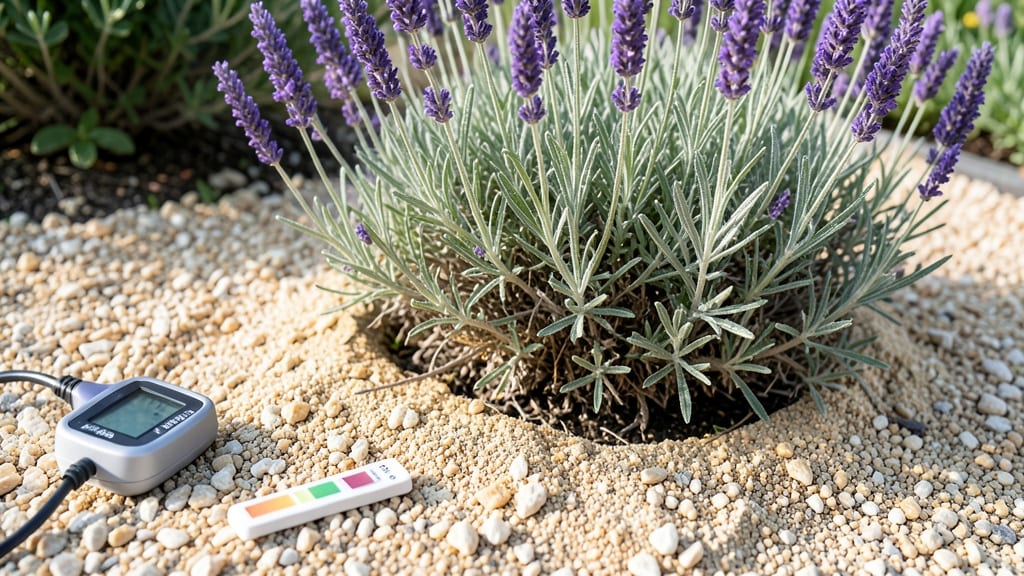
Lavender loves sandy soil so much it practically sings when the drainage is right. 🌿 That first whiff of crushed lavender buds? It starts with soil that mimics its Mediterranean roots—light, gritty, and never soggy.
My plants went from struggling to thriving after I recreated that perfect blend, and you can too. The secret isn’t just sand—it’s the right texture. Too much clay? Add coarse sand and gravel to break it up. Too fine? Mix in perlite or pumice for that airy feel.
Aim for soil that crumbles like cake, not mud. Lavender roots need oxygen more than nutrients, and this mix delivers. You’ll see new growth within weeks, with stems strong enough to hold those iconic purple spikes. The fragrance? Unmistakable—like a sun-drenched hillside in Provence.
Just avoid overwatering; sandy soil drains fast, but lavender hates wet feet. Works in containers or garden beds, and the same principles apply whether you’re in Zone 5 or 9. Let’s get those roots happy!
📚 In This Guide
- What you need
- Instructions
- Tips and common mistakes
- Wrapping up and next steps
What you need
- ● Coarse sand: 50% of the mix (use builder’s sand or sharp sand—avoid fine playground sand). Pro tip: 💡 Rinse sand thoroughly to remove debris or salts!
- ○ Peat moss or coconut coir: 25% of the mix (holds moisture without compacting). Optional: Skip peat if eco-friendly—coco coir is a great alternative!
- ● Compost or aged manure: 25% of the mix (adds nutrients without heaviness). Pro tip: 🌡️ Use well-rotted compost to avoid burning lavender roots.
- ● Perlite or pumice: 10% of the mix (boosts aeration; perlite is lightweight, pumice adds mineral grit).
- ● Lavender plants: 1–3 cuttings or nursery-grown plants (choose English or French lavender for sandy soil adaptability).
- ● Garden gloves (to protect hands from grit).
- ● Garden trowel or spade (for mixing and planting).
- ● Wheelbarrow or large bucket (for blending materials).
- ○ pH test kit (optional but helpful—lavender thrives in neutral to slightly alkaline soil (6.5–7.5 pH)).
- ● Drip irrigation or watering can (lavender hates soggy roots!).
- ○ Mulch (gravel or pebbles) (optional for containers—keeps soil dry).
How to create a sandy soil mix for thriving lavender
This blend ensures lavender’s signature fragrance and drought resistance by mimicking its natural Mediterranean habitat.
🌱 Step 1: Gather the Right Base Materials
Start with 50% coarse sand—I use sharp builder’s sand (not fine play sand) for its gritty texture that prevents compaction. Mix in 30% high-quality potting soil (look for "soilless" or "peat-based" blends) to provide essential nutrients lavender needs. The remaining 20% should be perlite or pumice—these add air pockets that keep roots from sitting in moisture.
I weigh everything on a kitchen scale for accuracy—lavender hates soggy roots, and even small errors in ratios can lead to rot. If you’re short on perlite, crushed gravel works too, but it won’t break down like perlite does over time. Sift all materials through a ¼-inch mesh screen to eliminate clumps, which can suffocate delicate lavender roots.
🌿 Step 2: Combine Dry Ingredients Thoroughly
In a large wheelbarrow or sturdy container, dump all dry materials together. Use a garden rake to blend them until the mix looks uniformly light and airy—no pockets of sand or soil should remain. Lavender roots need 30-50% air space to thrive, so this step is critical. I test consistency by grabbing a handful: it should feel light as cake batter, not dense like wet sand.
If the mix feels too heavy, add 5-10% more perlite. Too light? Stir in 10% additional potting soil (but never exceed the 30% soil ratio). Avoid garden soil—it compacts and traps moisture, which lavender despises. Spread the blend in a 6-inch layer on a tarp and let it sit for 24 hours to settle before planting.
💧 Step 3: Amend for pH and Nutrients
Lavender thrives in alkaline soil (pH 7.0-8.0), so test your mix with a pH meter. If it reads below 7.0, add crushed limestone (about 1 cup per 5 gallons of mix) and re-test after stirring. For nutrients, sprinkle ½ cup of 10-10-10 slow-release fertilizer per 5 gallons—lavender needs minimal feeding, but this gives it a gentle boost without burning roots.
Work the amendments into the top 4 inches of the mix, where most roots will establish. Avoid over-fertilizing—lavender grows best when slightly "hungry." Water the amended mix lightly until it’s moist but not dripping, then let it dry completely before planting. This mimics lavender’s natural drought cycle and prevents root rot.
☀️ Step 4: Plant Lavender in the Perfect Conditions
Fill containers or garden beds with the 4-inch layer of prepared mix (deeper for established plants). Plant lavender no deeper than its root ball—burying the stem encourages rot. Space plants 18-24 inches apart to allow airflow, which prevents fungal issues. Water deeply once after planting, then wait 7-10 days before watering again—this forces roots to seek moisture deeper in the mix.
Place lavender in full sun (6+ hours daily)—partial shade reduces fragrance and blooms. If using containers, ensure they have drainage holes and elevate them on gravel or bricks to prevent waterlogging. Mulch with ½ inch of gravel (not organic mulch) to keep soil dry. You’ll know the mix is working when leaves stay silvery-green and upright, not yellow or wilting.
⏰ Step 5: Maintain Drainage and Prune for Health
Water lavender only when the top 2 inches of soil feel dry—overwatering is the #1 killer. In containers, this might mean once every 2-3 weeks in summer; less in winter. Fertilize once in spring with a low-nitrogen formula (5-10-10) to encourage blooms, not leafy growth. Prune spent flowers in early summer to promote new growth, but never cut into old wood—lavender blooms on new stems.
Watch for yellowing leaves—this signals overwatering or poor drainage. If you see it, reduce watering immediately and check for white crust on soil, which means salts have built up from hard water. Flush the soil with distilled water if needed. With this mix, your lavender will reward you with fragrant blooms for years—just like its Mediterranean cousins.
Tips & tricks for perfect sandy soil mixes
Took me years to perfect this mix—here's how to avoid the mistakes I made along the way.
Ingredient Precision: That 50-30-20 ratio isn't just arbitrary—lavender roots need exactly this balance to thrive. I learned this the hard way after watching plants struggle in mixes that were even slightly off. Use a kitchen scale for accuracy, especially when adjusting the perlite or soil percentages. A 1% error in the sand ratio can make all the difference between healthy growth and root rot. For example, if you're making 5 gallons, that's 2.5 gallons of sand, not 2.4 or 2.6!
Texture Test: The "light as cake batter" test in Step 2 is your secret weapon. When mixing, grab a handful and squeeze gently—it should crumble easily between your fingers. If it holds together like wet sand, add more perlite (up to 10% extra). If it feels too loose, stir in a little more potting soil. This test ensures the perfect 30-50% air space lavender roots crave. I've seen gardeners skip this test and end up with compacted soil that suffocates roots.
pH Monitoring: Don't guess about pH—test it! Lavender's alkaline preference (pH 7.0-8.0) is non-negotiable. I use a simple pH meter that costs under $15. If your mix tests below 7.0, add crushed limestone gradually—start with ½ cup per 5 gallons and test again after stirring. Too much limestone can make the soil too alkaline, which burns roots just as effectively as overwatering.
Make-Ahead Strategy: You can prep this mix up to 2 weeks in advance and store it in a sealed container. The 24-hour settling period in Step 2 is crucial—it lets the ingredients fully integrate and prevents compaction when you plant later. Just keep it dry in a cool, dark place until you're ready to use it. This is especially helpful if you're planting in spring when weather can be unpredictable.
Pro Tips for Sandy Soil For Lavender
- Took me years to perfect this mix—here's how to avoid the mistakes I made along the way.
- Ingredient Precision: That 50-30-20 ratio isn't just arbitrary—lavender roots need exactly this balance to thrive.
- Texture Test: The "light as cake batter" test in Step 2 is your secret weapon.
Frequently asked questions
Got questions about growing lavender in sandy soil?
Here are answers to the most common ones—so you can nurture fragrant, thriving plants with confidence!
Can lavender grow in 100% sand?
While lavender loves well-draining soil, pure sand can be too harsh—it lacks nutrients and holds moisture poorly. Mix sand with 1/3 compost or perlite and a pinch of organic matter (like coconut coir) to balance drainage and fertility. Think of it like a 50-50 blend of sand and organic material for best results!
How long does it take for lavender to adapt to sandy soil?
Lavender is resilient but may take 4-6 weeks to fully adjust to sandy soil. During this time, monitor for yellowing leaves (overwatering) or wilting (underwatering). Once established, it thrives with minimal care—just ensure the soil stays dry between waterings.
What’s a good alternative if I don’t have sand?
No sand? No problem! Use a mix of:
- 60% potting soil (well-draining, like cactus mix)
- 30% perlite or pumice (for aeration)
- 10% coarse sand or gravel (if available)
Why is my lavender turning brown in sandy soil?
Brown edges or tips usually mean overwatering or poor drainage. Sandy soil dries fast, so:
- Water only when the top 2 inches are dry.
- Ensure pots have drainage holes.
- Avoid wetting foliage (use a soaker hose for roots).
Does sandy soil affect lavender’s fragrance?
Not at all! Lavender’s scent comes from its essential oils, not soil type. However, healthy plants (with proper drainage) produce more robust blooms and fragrance. Well-draining sandy soil actually enhances oil production by preventing root stress. Win-win for your senses!
Wrapping up and next steps
Growing lavender in sandy soil isn’t just possible—it’s ideal for thriving, fragrant blooms! 🌿 With the right mix of coarse sand, perlite, and compost, you’ll create drainage that lavender loves, preventing root rot and encouraging vibrant growth.
Whether you’re a beginner or a seasoned gardener, this blend is your secret to lush, low-maintenance lavender.
Ready to transform your garden? Start small—test your mix in a pot first, then expand! Grab your supplies and get planting—your future fragrant haven awaits. 🌸✨