
Tools
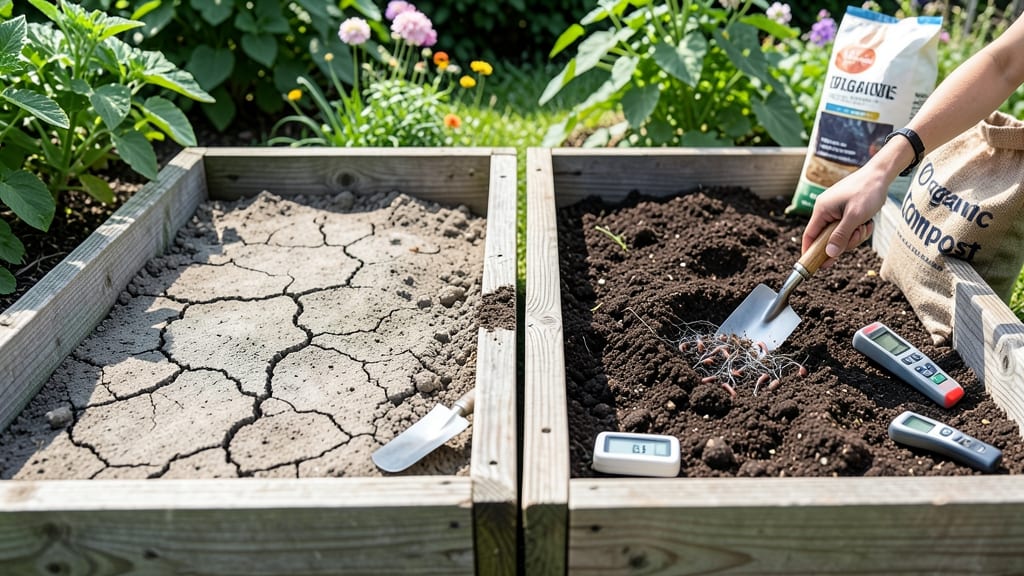
Yes, garden soil does go bad over time, losing nutrients, structure, and microbial activity after 2-5 years, especially if stored improperly or exposed to extreme moisture or heat. Fresh, well-balanced soil ensures better plant growth and disease resistance.
Soil degradation happens naturally as organic matter breaks down and beneficial microbes decline. 🌱 Over time, essential nutrients like nitrogen and phosphorus diminish, while pH levels may shift—creating an inhospitable environment for roots. I've noticed that even well-stored soil can compact, reducing aeration and stunting plant development.
The key is monitoring soil health through simple tests or observing plant vitality, which often signals it's time for renewal.
Proper storage makes a huge difference—keeping soil in dry, sealed containers away from direct sunlight preserves its quality longer. Adding compost or worm castings can revitalize older soil, but severe degradation may require complete replacement.
The goal is maintaining that perfect balance of texture, fertility, and microbial life that healthy plants crave.
💡 In This Article
- How Soil Degrades Over Time: Nutrient Loss and Microbial Decline
- Extending Soil Life: Storage Tips and Revitalization Methods
How soil degrades over time: nutrient loss and microbial decline
Soil degradation begins with the breakdown of organic matter, which typically contains 5-10% carbon by weight. Over time, microorganisms decompose this matter, converting it into simpler compounds like carbon dioxide and water.
This process, called mineralization, releases essential nutrients like nitrogen and phosphorus—but once these are used up by plants or lost through leaching, the soil becomes less fertile. For example, nitrogen levels can drop by 30-50% within just 1-2 years if not replenished, directly impacting plant growth.
The microbial ecosystem, which thrives in healthy soil, also suffers. Beneficial bacteria and fungi—critical for nutrient cycling and disease suppression—can decline by 40-60% after 3-5 years of storage. These microbes form symbiotic relationships with plant roots, helping them absorb water and nutrients.
Without them, roots struggle to penetrate compacted soil, and plants become more susceptible to diseases like damping-off. I've seen this firsthand when repotting herbs: older soil often results in leggy, weak growth compared to fresh, microbe-rich soil.
Compaction is another silent killer. When soil sits unused, its particles settle tightly together, reducing pore space by 20-30%. This limits oxygen flow to roots, slowing growth and making it harder for water to drain.
You can test this by squeezing a handful—if it holds its shape like clay, it's likely compacted. Over time, this physical degradation can make even nutrient-rich soil ineffective, as roots suffocate in dense conditions.
pH shifts further complicate matters. Organic decomposition often acidifies soil (lowering pH), which can lock out essential nutrients like phosphorus. Meanwhile, exposure to rain or moisture can wash away vital minerals. For instance, potassium—a key nutrient for flower and fruit production—can leach out rapidly in sandy soils.
Without intervention, these changes create a vicious cycle where plants struggle to thrive, even if the soil looks dark and rich.
Visual cues help identify degradation. Fresh soil has a crumbly texture and earthy aroma, while old soil often smells stale or musty. Plants grown in degraded soil may show yellowing leaves (nitrogen deficiency), stunted growth, or poor flowering.
These signs are your body telling you it's time to refresh or replace the soil—before your garden's health suffers permanently.
Understanding these processes helps you act before your soil becomes unusable. Regular testing with a simple pH kit or soil probe can reveal nutrient levels and compaction issues early.
For example, a pH below 6.0 or above 7.5 often signals imbalance, while a probe resistance reading above 2.0 MPa indicates dangerous compaction.