
Advice
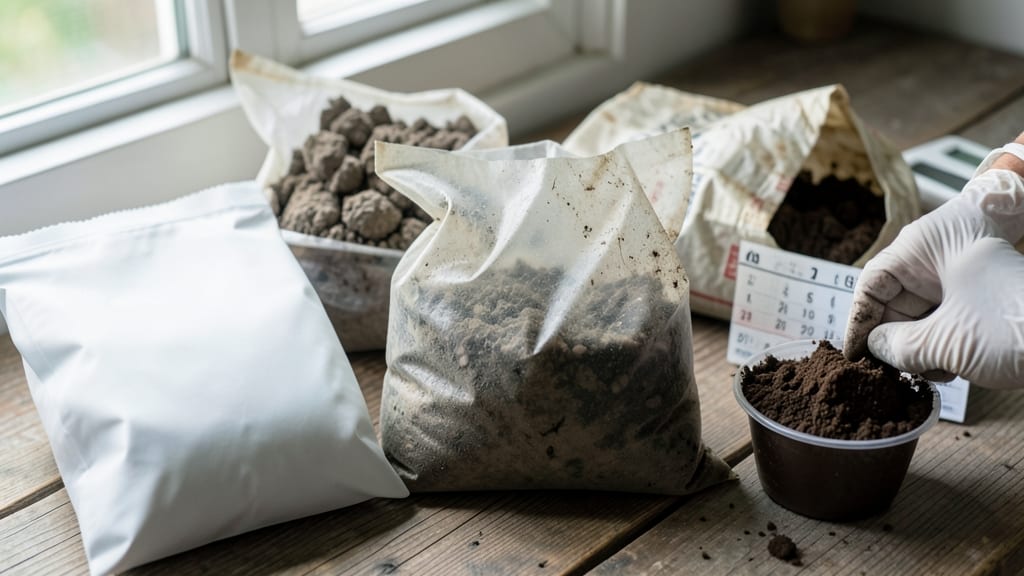
Yes, potting soil can go bad in the bag if left unopened for over 6–12 months, losing nutrients and compacting, or if exposed to moisture, mold, or pests. Check for clumping, foul odors, or insect activity before use.
Unopened potting soil lasts longest when stored in a cool, dry place away from direct sunlight. 🌱 The 6–12 month window assumes a sealed bag with minimal exposure to air or moisture, but organic materials like peat moss or coconut coir break down faster.
If your soil smells sour or looks dusty when you open it, those are red flags—it’s likely lost its effectiveness. I always check for tiny holes in the bag too, since pests can sneak in even before you notice any damage.
Even worse is when soil gets damp before opening—it becomes a breeding ground for mold and bacteria. That’s why I recommend storing bags in a garage or basement rather than a damp basement or outdoor shed.
Pro tip: If you’re unsure, do a quick moisture test by squeezing a handful—it should crumble easily. If it sticks together like wet sand, it’s time to toss it.
💡 In This Article
- How Long Does Unopened Potting Soil Last?
- Signs Your Potting Soil Has Gone Bad
How long does unopened potting soil last?
The shelf life of unopened potting soil depends entirely on its ingredients and storage conditions. Organic materials like peat moss or coconut coir break down faster than inorganic options like perlite or vermiculite.
A bag with 100% peat moss may last 6-8 months unopened, while blends with 20-30% compost can degrade in just 3-4 months due to microbial activity. The key factor here is moisture—even trace amounts trigger bacterial growth that accelerates nutrient loss.
Temperature and oxygen exposure play critical roles too. Storing soil at 50-60°F (like in a basement) preserves it longer than 75°F+ (garage in summer).
A sealed bag with less than 5% oxygen inside slows decomposition, but tiny pinholes or weak seals let air in, speeding up spoilage. 🌱 I’ve seen bags stored in humid climates develop mold within 6 months—the condensation inside creates the perfect breeding ground.
Even "sterilized" bags can fail if stored near chemical fumes or pesticides, which alter the soil’s pH balance.
Additives like slow-release fertilizers or pesticides add another layer of complexity. Fertilizer-coated soils may last slightly longer because the nutrients are encapsulated, but they can also create salty residues over time, harming plant roots. Pesticide-treated soils often have a 3-6 month shelf life before the chemicals degrade.
The bottom line: if your bag was stored properly but has exceeded 12 months, it’s safer to assume it’s lost most of its effectiveness—even if it doesn’t smell bad yet.
Here’s what actually happens to soil over time: the organic matter oxidizes, losing its structure and nutrient density. Peat moss, for example, loses 15-20% of its water-holding capacity after 12 months, turning from fluffy to compacted. Coconut coir degrades even faster, becoming dusty and brittle within 8-10 months.
The microbial life that makes soil fertile also dies off, leaving behind a lifeless growing medium. This is why professional growers often use fresh soil mixes every planting season—even if the bag looks fine.
One exception is soil mixes with high inorganic content (like 50% perlite or 30% sand), which can last 2-3 years unopened because these materials don’t decompose. But these blends often lack the organic matter plants need long-term.
For most gardeners, the 6-12 month rule is a safe bet—unless you’re using a specialty mix designed for extended shelf life, which usually comes with preservatives or stabilizers.
Pro tip: Check the manufacturing date on the bag—many brands print it on the bottom flap. If it’s older than 6 months when you buy it, you’re already starting with compromised soil.
And if you’re storing bags for future use, place them in airtight containers with a moisture absorber packet (like silica gel) to extend their life by another 3-6 months