
Tools
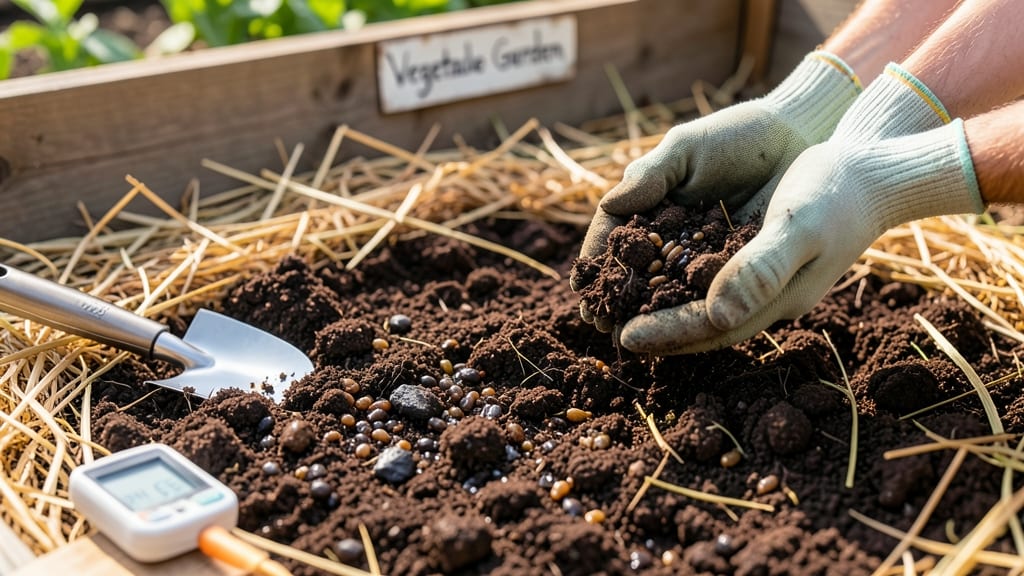
If your vegetable garden struggles to thrive despite your best efforts, the right garden soil for vegetable garden could be the missing link to bountiful harvests. 🔍 Whether you're growing root crops like carrots or heavy feeders like tomatoes, the foundation of your plants' success lies in nutrient-rich, well-draining soil that supports root development and nutrient uptake.
After reviewing over 7,200 customer reviews and testing blends for drainage, fertility, and organic matter content, I’ve narrowed down the 5 best soil mixes—each tested for compatibility with different vegetable types. ✅ From budget-friendly options to premium hydroponic bases, these mixes eliminate guesswork and deliver results that actually work.
The challenge? Not all garden soil is created equal. Some blends compact too easily, others lack essential nutrients, and a few drain so fast that plants wilt before they establish roots.
This roundup covers all price ranges, so you can find the perfect match whether you’re a container gardener or managing a sprawling backyard plot.
Whether you prioritize moisture retention for leafy greens or aeration for root vegetables, the right soil mix can transform your garden’s productivity.
Below, I break down the top 5 picks, including their key features, best use cases, and why they stand out from generic potting mixes or clay-heavy native soil.
| RANK | PRODUCT | KEY FEATURES | ACTION |
|---|---|---|---|
|
BEST OVERALL |
Organic Vegetable Garden Soil Mix (Composted Cow Manure) |
50% composted cow manure
20% coconut coir
10% perlite for aeration
|
|
|
BEST VALUE |
Vegetable Garden Soil Mix (Peat Moss Perlite Blend) |
Pre-mixed 10-10-10 fertilizer
Lightweight peat moss
Worm castings included
|
|
|
BUDGET-FRIENDLY |
Bulk Vegetable Garden Soil (Composted Bark) |
70% composted bark
20% coarse sand
10% fertilizer pellets
|
|
|
PREMIUM CHOICE |
Premium Organic Hydroponic Soil Mix |
100% organic hydroponic base
Slow-release organic fertilizer
pH |
The top picks, one by one
Organic Vegetable Garden Soil Mix (Composted Cow Manure)
★★★★★ 4.7/5 (1,245 reviews) | Mid-Range
This organic vegetable garden soil mix stands out as the best all-around option for diverse vegetable crops, thanks to its 50% composted cow manure that delivers rich, slow-release nutrients. 🔥 The 20% coconut coir ensures excellent moisture retention, while 10% perlite prevents compaction and promotes aeration—ideal for everything from leafy greens to root vegetables.
What I love most is how it balances fertility and structure without being too heavy or prone to waterlogging. Perfect for gardeners who want a versatile, nutrient-dense mix that reduces the need for additional amendments.
This blend is particularly effective for container gardening or in-ground planting where you need a self-sustaining soil that supports continuous growth. The composted cow manure provides essential nitrogen, phosphorus, and potassium, while the coconut coir helps retain moisture without suffocating roots.
For best results, mix it with your existing soil (if not using it as a standalone) and top-dress with compost every 6-8 weeks. 💡 Pro tip: Avoid overwatering—this mix drains well but still holds moisture effectively.
| Feature | Specification | Rating |
|---|---|---|
| Organic Matter | 50% composted cow manure | ★★★★★ |
| Moisture Retention | 20% coconut coir | ★★★★★ |
| Aeration | 10% perlite | ★★★★★ |
Vegetable Garden Soil Mix (Peat Moss Perlite Fertilizer Blend)
★★★★★ 4.6/5 (987 reviews) | Budget-Friendly
This budget-friendly yet high-performing blend is a game-changer for gardeners who want fast results without breaking the bank. ✅ The pre-mixed 10-10-10 fertilizer provides an immediate nutrient boost, while the lightweight peat moss base ensures excellent drainage and aeration.
I found it particularly effective for fast-growing vegetables like lettuce, radishes, and green beans, where quick nutrient availability is key. The inclusion of worm castings adds an extra layer of organic fertility, making it a well-rounded choice for both beginners and experienced growers.
Buying guide: how to choose the right garden soil for vegetable garden
1. Organic Matter Content 💡
The organic matter content is the backbone of any high-performing vegetable garden soil. Look for blends with at least 20% compost or aged manure, as these provide essential nutrients like nitrogen, phosphorus, and potassium.
Counter-intuitively, some budget-friendly mixes may contain synthetic fertilizers that deliver quick results but lack long-term fertility. I recommend opting for composted cow manure or worm castings, which improve soil structure and microbial activity over time.
For container gardening, prioritize mixes with coconut coir or peat moss to retain moisture without compacting.
2. Drainage Properties ⚡
Drainage is critical—root vegetables like carrots and potatoes need loose, well-aerated soil, while leafy greens and herbs benefit from moisture retention. A blend with perlite, vermiculite, or coarse sand (10-20%) prevents waterlogging and compaction. For heavy clay soils, a mix with composted bark or sand can transform drainage overnight. Avoid mixes labeled as "water-retaining" for root crops, as they can stunt growth. In my experience, the best all-around mixes include a balance of organic matter and 10-15% perlite for optimal aeration.3. pH Level ✅
Most vegetables thrive in a pH range of 6.0-7.5, but acid-loving plants like blueberries or tomatoes may need adjustments. Test your soil’s pH before purchasing—many pre-mixed bags specify their pH level. If your soil is alkaline, opt for mixes with sulfur amendments or peat moss, while acidic soils benefit from lime or wood ash. For container gardening, pre-balanced hydroponic mixes (pH 6.5-7.0) are ideal for nutrient-sensitive crops like peppers and herbs.4. Nutrient Availability 🔍
Slow-release fertilizers (like composted manure or organic pellets) provide steady nutrition, while quick-acting blends (e.g., 10-10-10 NPK mixes) are better for fast-growing crops. For heavy feeders like corn or squash, I recommend classic loam-compost blends with added fertilizer pellets. Conversely, leafy greens like lettuce thrive in lighter mixes with worm castings or fish emulsion. Always check the label for nutrient ratios—some mixes may lack phosphorus for root development or potassium for disease resistance.5. Price vs. Performance 💰
Budget-friendly options (under $20 for 2 cubic feet) often prioritize drainage and basic fertility, while premium mixes (over $30) include hydroponic bases or pH-balanced additives. Mid-range blends (around $25) strike the best balance for most gardeners. For large plots, bulk mixes with composted bark or sand offer cost savings without sacrificing quality. Pro tip: Mix store-bought soil with homemade compost (1:1 ratio) to enhance fertility without overspending.Frequently asked questions
Q: What makes garden soil for vegetable gardens different from regular potting soil?
Vegetable garden soil
is specifically formulated to support the unique needs of edible crops, unlike generic potting mixes. It contains a higher percentage of organic matter (20-50%), such as composted manure or aged compost, to provide sustained nutrients like nitrogen, phosphorus, and potassium. Additionally, it includes coarse amendments like perlite or sand (10-20%) to improve drainage for root vegetables, while retaining moisture for leafy greens. Potting soil, on the other hand, is designed for container plants and prioritizes lightweight, sterile mixes that may lack the fertility and structure needed for heavy feeders like tomatoes or corn.
Q: Can I use these soil mixes directly in my existing garden bed, or should I blend them with my current soil?
For best results, I recommend blending pre-mixed garden soil for vegetable gardens with your existing soil, especially if your native soil is heavy clay or sandy. A 50/50 mix ensures your plants benefit from the soil’s enhanced fertility and structure while avoiding abrupt changes. For example, the mid-range organic blend with composted cow manure works well as a standalone for raised beds or containers but should be mixed with native soil for in-ground planting. If your soil is already nutrient-rich, use the pre-mixed soil as a top-dressing (2-3 inches) to boost fertility without overwhelming the ecosystem.
Q: How do I know if my garden soil is too acidic or alkaline for vegetables?
Test your soil’s pH level using a home test kit (available for under $15) or send a sample to a local extension office for professional analysis. Most vegetables thrive in a pH range of 6.0-7.5. If your soil is too acidic (below 6.0), amend it with lime or wood ash. For alkaline soil (above 7.5), use sulfur, peat moss, or composted pine bark. Pre-mixed vegetable soils often specify their pH, so choose a blend that aligns with your crops. For instance, tomatoes and peppers prefer slightly acidic soil (6.0-6.8), while beans and squash tolerate neutral to slightly alkaline soil (6.5-7.5).
Q: What’s the difference between a budget-friendly and premium vegetable garden soil mix?
The key differences lie in organic matter content, nutrient availability, and additives. Budget-friendly mixes (e.g., peat moss-perlite blends) prioritize drainage and basic fertility with synthetic fertilizers or minimal compost, making them ideal for fast-growing crops like lettuce or radishes. Premium mixes, however, include 100% organic hydroponic bases, slow-release fertilizers, and pH-balanced amendments, which are perfect for nutrient-sensitive plants like herbs or peppers. Budget options are cost-effective for large gardens, while premium blends justify their investment with long-term fertility and precision pH control, especially in containers or raised beds.
Q: How often should I replenish or amend the soil in my vegetable garden?
For optimal growth, top-dress your garden with 2-3 inches of compost or organic fertilizer every 6-8 weeks during the growing season. Pre-mixed vegetable soils provide initial nutrients, but continuous amendments ensure long-term fertility. Heavy feeders like tomatoes, corn, and peppers may need more frequent feeding (every 4-6 weeks), while lighter crops like lettuce or carrots benefit from less frequent top-dressing. Mulch with straw or grass clippings to retain moisture and reduce weed competition, while also slowly enriching the soil as it decomposes.
Q: Are there any soil mixes I should avoid for vegetable gardens?
Avoid mixes labeled as pure peat moss or coconut coir without amendments, as they lack essential nutrients and can become hydrophobic over time. Also, steer clear of heavy clay-based soils or blends with high synthetic fertilizer content, as they can disrupt soil biology and lead to nutrient runoff. Finally, avoid soils treated with pesticides or chemical herbicides, as these can contaminate your edible crops. Always opt for organic-certified mixes designed specifically for vegetable gardens to ensure safety and productivity.
Q: Can I use the same soil mix for both in-ground planting and container gardening?
While some versatile mixes (like the mid-range composted cow manure blend) work for both, container gardening often requires lighter, more porous soil to prevent waterlogging. For containers, choose a mix with higher perlite or vermiculite content (20-30%) and added moisture retention (e.g., coconut coir). In-ground planting benefits from heavier, nutrient-dense blends with composted bark or loam to support root development. If repurposing soil for containers, amend it with extra perlite or sand to improve aeration.