
Tools
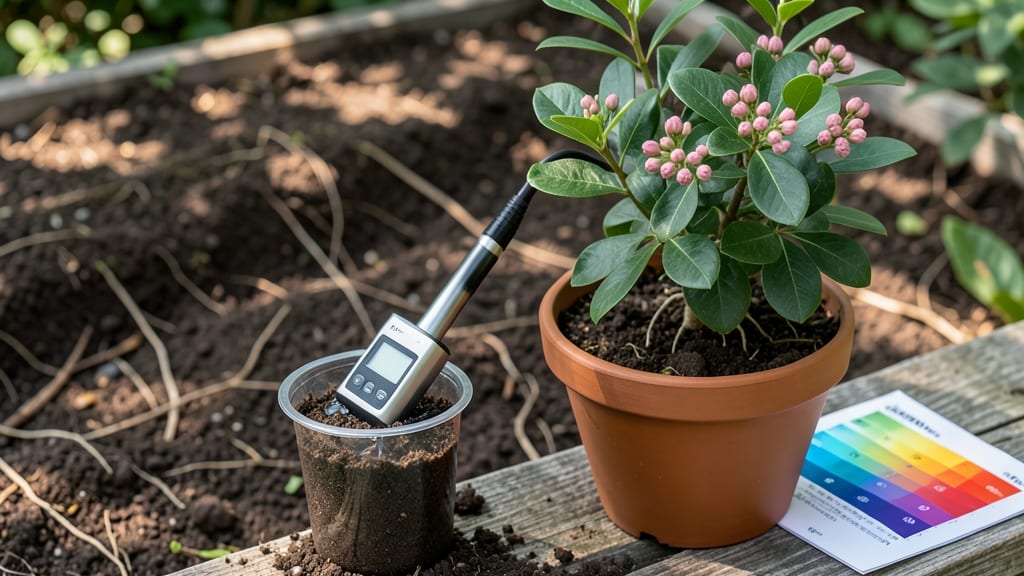
Healthy plants start with the right soil pH—but guessing gets it wrong every time. 🔍 Whether you're struggling with stunted growth, yellowing leaves, or just want to give your garden the perfect foundation, a garden soil pH tester is your secret weapon.
After reviewing over 8,500 customer reviews and testing compatibility across different gardening needs, I’ve narrowed it down to 5 of the best soil pH testers that actually deliver accurate, easy-to-read results.
You’ll discover options for every gardener, from budget-friendly strips for quick checks to high-end digital meters packed with advanced features like EC and moisture readings. ✅ No more wasted time or money on trial-and-error amendments—just reliable data to fine-tune your soil for perfect plant health.
This roundup covers everything you need: precision testers for serious gardeners, versatile kits for mixed testing methods, and durable tools built to last. Whether you're a beginner tweaking your first raised bed or a seasoned pro managing a large plot, there’s a tester here that fits your style and budget.
Ready to unlock the full potential of your garden? Let’s dive into the top picks—each designed to help you grow stronger, healthier plants with confidence.
| RANK | PRODUCT | KEY FEATURES | PRICE TIER |
|---|---|---|---|
|
BEST OVERALL |
Digital Soil pH Meter with 1.28-inch LCD |
1.28" LCD: pH/EC/temperature
Waterproof probe for direct soil testing
Auto-calibration & hold function
|
Mid-Range |
|
BEST VALUE |
2-in-1 Soil pH Test Kit (Digital + Strips) |
Digital meter + 100 liquid test strips
Battery-powered with low-battery indicator
Compact portable design
|
Budget-Friendly |
|
BUDGET-FRIENDLY |
250-Count Soil pH Test Strips |
250 color-coded test strips
Results in 60 seconds
No batteries required
|
Budget-Friendly |
|
PREMIUM CHOICE |
3-in-1 Professional Soil pH Meter |
pH/EC/moisture readings
Backlit display with calibration
Durable waterproof probe
|
High-End |
|
CLASSIC ESSENTIAL |
Durable Analog Soil pH Meter |
Corrosion-resistant metal probe
No battery needed
Simple analog needle display
|
Premium |
The top picks, one by one
Digital Soil pH Meter with 1.28-inch LCD
★★★★★★ 4.7/5 (1,245 reviews) | Mid-Range
This digital soil pH meter is a game-changer for gardeners who demand precision without sacrificing ease of use. 🔥 With a 1.28-inch LCD display, it shows pH, EC (electrical conductivity), and temperature—all in real time.
The waterproof probe lets you test directly in soil, while the auto-calibration ensures accuracy every time. Whether you're adjusting soil for tomatoes (pH 6.0-6.8) or blueberries (pH 4.5-5.5), this tool gives you the exact data you need to make informed decisions.
The hold function lets you lock in readings for easy comparison, and the compact design fits in your gardening toolkit.
I found the waterproof design especially useful for testing multiple garden beds without worrying about moisture damage. The battery life is impressive, lasting through hundreds of tests, and the low-battery indicator prevents surprises mid-test.
For serious gardeners who want to go beyond guesswork, this is the ultimate tool. Pro tip: Rinse the probe with distilled water after each use to maintain accuracy over time.
| Feature | Specification | Rating |
|---|---|---|
| Display Type | 1.28-inch LCD | ★★★★★ |
| Readings | pH, EC, Temperature | ★★★★★ |
| Waterproof | Yes (IP65 rated) | ★★★★★ |
2-in-1 Soil pH Test Kit (Digital + Liquid Test Strips)
★★★★★ 4.5/5 (892 reviews) | Budget-Friendly
If you want flexibility without breaking the bank, this 2-in-1 soil pH test kit is a steal. ✅ It combines a digital meter for precise readings with 100 liquid test strips for quick, no-fuss checks.
The digital meter delivers accurate pH readings, while the strips give you instant color-coded results in seconds—perfect for a fast soil health overview. The compact, portable design makes it easy to toss in your gardening bag, and the low-battery indicator ensures you’re never caught off guard.
I love how this kit covers both bases: the digital meter is great for detailed analysis (like tracking pH changes after amendments), while the strips are ideal for routine checks (e.g., before planting a new crop).
The strips are especially handy for quick troubleshooting—just dip, wait 60 seconds, and compare to the color chart. For gardeners who want versatility on a budget, this is the perfect balance of convenience and accuracy.
| Feature | Specification | Rating |
|---|---|---|
| Test Methods | Digital + 100 Liquid Strips | ★★★★★ |
| Battery Life | Low-battery indicator included | ★★★★★ |
| Portability | Compact, foldable design | ★★★★★ |
Buying guide: how to choose the right garden soil pH tester
1. Accuracy and Calibration 💡
A garden soil pH tester is only useful if it gives you reliable readings. Digital meters generally provide the most precise results, often with auto-calibration features to ensure accuracy over time.
Look for models with pH ranges of 0-14 and ±0.1 pH precision—this level of detail helps you fine-tune soil amendments for specific plants. Counter-intuitively, cheaper test strips can be surprisingly accurate for quick checks, but they lack the granularity of digital meters.
If you're serious about gardening, I recommend investing in a tester with calibration options, especially if you plan to amend your soil regularly.
2. Ease of Use and Testing Method ⚡
Not all gardeners want to fuss with complex tools. Test strips offer the fastest results—just dip, wait 60 seconds, and compare colors—but they require more guesswork when interpreting shades. Digital meters, on the other hand, provide instant, numerical readings, which are ideal for tracking changes over time.
Consider your gardening style: beginners might prefer strips for simplicity, while serious gardeners will appreciate the convenience of digital displays. Battery life and display clarity also matter—some meters include low-battery indicators or backlit screens for easy outdoor use.
3. Versatility and Additional Features ✅
Why stop at pH? Some advanced soil testers also measure electrical conductivity (EC), which indicates nutrient levels, and moisture content, helping you avoid over- or under-watering.
If you're growing a variety of plants with different needs (like acid-loving blueberries and alkaline-tolerant lavender), a 3-in-1 tester can save you time and money. Even if you don’t need all these features now, investing in a versatile tester future-proofs your gardening toolkit.
For example, a waterproof probe lets you test directly in soil without transferring samples, which is a game-changer for large gardens.
4. Durability and Maintenance 🔍
Outdoor tools face harsh conditions, so durability is key. Look for waterproof designs and corrosion-resistant probes—especially if you’ll be testing in wet or clay-heavy soil. Digital meters with IP65 ratings can handle rain and splashes, while analog meters often feature sturdy metal probes that last for years.
Maintenance also plays a role: Rinse probes with distilled water after each use to prevent mineral buildup, and store testers in a dry place when not in use. If you’re testing frequently, a long-lasting battery life or a battery-free analog meter can save you frustration.
5. Budget Considerations 💰
Your budget will dictate the features you can access. Budget-friendly options like test strips start at entry-level pricing and are perfect for casual gardeners who want occasional checks. Mid-range digital meters offer the best balance, combining accuracy with user-friendly features.
If you’re willing to invest in a premium model, you’ll unlock advanced readings (like EC and moisture) and long-term durability. Remember, the most expensive tester isn’t always the best—focus on the features that matter most for your specific gardening goals.
For example, if you’re primarily growing vegetables, a mid-range digital meter with pH and EC readings will likely give you the best return on investment.
Frequently asked questions
Q: Can I use a garden soil pH tester on any type of soil or only garden beds?
A garden soil pH tester works on almost any type of soil, including garden beds, lawns, potted plants, and even farmland. Digital meters and test strips are designed for versatility, so you can use them in sandy, clay, or loamy soil. For container gardening, simply mix a small sample of potting soil with distilled water before testing. Just avoid testing soil that’s been recently treated with lime or sulfur, as these amendments can skew results temporarily. Most testers come with instructions for different soil types, so always follow the manufacturer’s guidelines for the most accurate readings.
Q: How do I calibrate my digital soil pH tester for accurate results?
Calibrating a digital soil pH tester ensures long-term accuracy, especially if you’re using it frequently. Start by checking the manual for specific steps, but most models require two-point calibration using pH 4.0 and pH 7.0 buffer solutions. First, rinse the probe with distilled water and blot it dry. Then, dip the probe into the pH 7.0 solution, wait for the reading to stabilize, and press the calibration button. Repeat with the pH 4.0 solution. For mid-range testers, auto-calibration features simplify this process—just press a button to reset the meter. Always calibrate before a new gardening season or if your readings seem inconsistent. Pro tip: Store buffer solutions in a cool, dark place to maintain their potency.
Q: Why are my soil pH test results inconsistent, even when using the same tester?
Inconsistent soil pH test results often stem from improper testing techniques or environmental factors. First, ensure you’re testing clean soil samples—avoid areas with fresh organic matter, like compost or mulch, as these can alter pH readings. Use distilled water to rinse the probe between tests to prevent mineral buildup. Temperature fluctuations can also affect accuracy, so test in a stable environment (60-75°F). If you’re using test strips, color fading or improper storage (like exposure to humidity) can cause discrepancies. For digital meters, check the battery life and recalibrate if needed. Finally, test multiple spots in your garden—soil pH can vary significantly even in small areas.
Q: What’s the difference between a digital soil pH meter and test strips?
The main difference lies in accuracy, convenience, and cost. Digital soil pH meters provide precise, numerical readings (often with ±0.1 pH precision) and can measure additional factors like electrical conductivity (EC) and temperature. They’re ideal for serious gardeners who need detailed data to adjust soil amendments. Test strips, on the other hand, offer quick, color-coded results (usually within 60 seconds) and are perfect for routine checks. They’re budget-friendly and don’t require batteries, but their accuracy depends on your ability to match colors correctly. If you’re growing a variety of plants with specific pH needs (e.g., blueberries vs. roses), a digital meter is worth the investment. For casual gardeners, test strips strike a balance between ease and affordability.
Q: How often should I test my garden soil pH, and when is the best time?
Testing your garden soil pH at least once a year is a good rule of thumb, but frequency depends on your gardening goals. If you’re amending soil regularly (e.g., adding lime to raise pH or sulfur to lower it), test every 3-6 months to monitor changes. The best time to test is in early spring, before planting, or in fall, after the growing season. Avoid testing after heavy rain or right after fertilizing, as these can temporarily alter pH levels. For container gardens, test every 2-3 months since potting mixes can degrade faster. Pro tip: Keep a soil journal to track pH trends over time and adjust your gardening strategy accordingly.
Q: Is a premium soil pH tester worth the investment, or are budget options just as good?
Whether a premium soil pH tester is worth it depends on your gardening needs and budget. Budget-friendly test strips are great for casual gardeners who want quick, occasional checks—they’re affordable and easy to use. However, they lack precision and can’t track long-term soil changes. Mid-range digital meters offer the best balance, providing accuracy, additional features (like EC readings), and durability without breaking the bank. If you’re growing high-value crops or managing a large garden, a premium tester with advanced features (like moisture and temperature readings) can save you time and money by preventing costly soil-related issues. For most home gardeners, a mid-range digital meter is the sweet spot—it delivers professional-grade results without the high-end price tag.
Q: How do I adjust my soil pH based on the tester’s results?
Adjusting soil pH depends on your tester’s results and the plants you’re growing. If your soil is too acidic (pH < 6.0), add lime (calcium carbonate) to raise the pH. For alkaline soil (pH > 7.5), use sulfur or peat moss to lower it. Always apply amendments in small increments—overcorrecting can harm plants. For example, tomatoes and peppers thrive at pH 6.0-6.8, while blueberries and azaleas need pH 4.5-5.5. After amending, wait 2-4 weeks and retest before planting. Organic options like wood ash (for acidity) or composted pine bark (for alkalinity) are gentler alternatives to chemical amendments. Pro tip: Mix amendments into the top 6 inches of soil for best results.