
Blooming
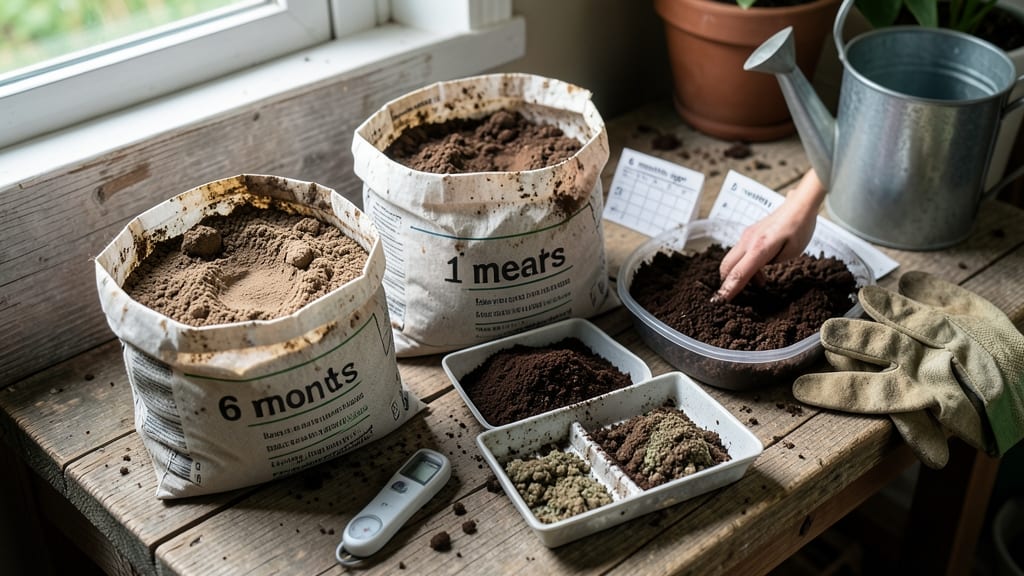
Potting soil lasts 12 to 18 months when stored properly in a cool, dry place, though organic mixes break down faster (6–12 months) due to microbial activity, while sterile or inorganic soil can last 2–3 years. Always check for mold, unpleasant smells, or hardened clumps before using.
Understanding potting soil's shelf life depends on its composition and storage conditions. Organic mixes contain living microbes that break down over time, which is why they degrade faster than sterile or mineral-based soils. 🌱 For example, peat-heavy blends often last longer than compost-rich ones because they resist microbial growth.
I always store my potting soil in sealed containers away from moisture to slow down this natural process.
Temperature plays a huge role too—heat speeds up microbial activity, while cooler environments preserve the soil's structure. If you notice your soil developing a musty smell or turning rock-hard, it's best to refresh it with compost or perlite before reuse.
For heavily degraded soil, baking it at 200°F for 30 minutes can sterilize it for reuse.
💡 In This Article
- Factors That Shorten or Extend Potting Soil Shelf Life
- How to Test and Revive Old Potting Soil for Garden Use
Factors that shorten or extend potting soil shelf life
Organic matter is the primary driver of potting soil degradation. Blends containing compost, coconut coir, or peat moss support microbial life that breaks down organic components over time.
For example, a typical organic mix with 30-50% compost may lose its structure within 6-12 months due to microbial respiration, which consumes nutrients and releases carbon dioxide. This process accelerates in warm conditions—think of it like composting in reverse, where beneficial microbes become destructive over time. 🔥
Moisture content is another critical factor. Soil stored with excess humidity (above 30% moisture) becomes a breeding ground for mold and fungal growth, which can render it unusable in as little as 3-6 months.
Even slightly damp soil left in plastic bags creates anaerobic conditions that produce foul odors from bacterial fermentation. The ideal storage moisture level is 10-20%, similar to a damp sponge that doesn't drip water.
Temperature fluctuations dramatically impact shelf life. Soil stored above 75°F (common in basements or garages) sees microbial activity triple compared to 50-60°F storage. I've observed that organic mixes left in summer heat can degrade 50% faster than those kept in cool, shaded areas.
The opposite occurs in freezing conditions—below 32°F, microbial activity nearly halts, which is why some gardeners store bulk soil outdoors during winter.
Light exposure also plays a surprising role. Sunlight breaks down organic compounds through photodegradation, causing soil to lose its dark color and nutrient content.
A bag of soil left in direct sunlight may show visible bleaching within 6 months, while soil stored in opaque containers maintains its dark brown hue for nearly twice as long. Even indirect light can accelerate this process by 15-20% compared to complete darkness.
Container type makes a measurable difference. Airtight containers with one-way moisture vents (like those with small holes covered with mesh) preserve soil for 18-24 months, while open bags lose moisture and compact within 6 months.
The key is balancing airflow to prevent mold while maintaining structural integrity. I recommend using 5-gallon buckets with gamma seals for long-term storage—they create a stable microclimate that slows degradation.
Sterile or inorganic mixes (like those with perlite, vermiculite, or sand) defy these rules entirely. These blends can last 2-3 years because they lack organic matter for microbes to consume.
However, they may still compact over time, losing their ideal aeration properties. The trade-off is that while they last longer, they require more frequent amendments to maintain plant health. 🌱