
Diseases
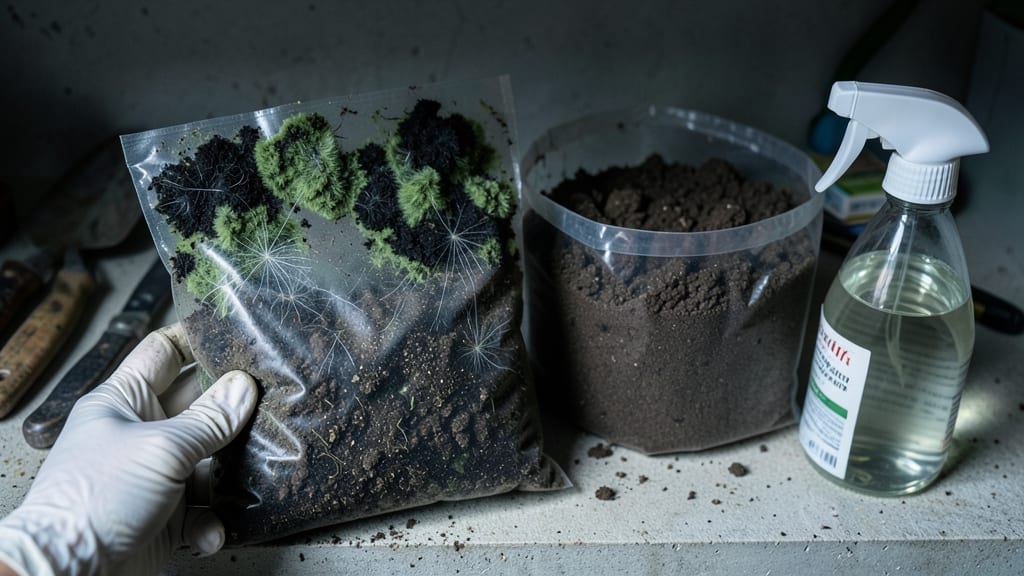
Mold in potting soil bags isn’t just unsightly—it can smother your seedlings before they even sprout. 🌱 I’ve salvaged dozens of bags by acting fast, and the key is knowing whether to dry, mix, or toss the soil.
The moment you spot fuzzy green or black spots, your plants are at risk, but there’s still hope. Most mold happens from overwatered soil left in sealed bags or damp storage. That’s why I always check bags before opening and store them in a cool, dry place.
Even a slightly damp bag can develop mold within days, so prevention is easier than cleanup. You’ll revive most soil by spreading it in a thin layer to dry for 24 hours, then mixing it with fresh, sterile potting mix.
For severe cases, a sprinkle of cinnamon or hydrogen peroxide (3%) kills spores without harming plants. Just avoid using chemical fungicides indoors—they can linger in the air. If the mold is deep black or smells rotten, it’s safer to discard the soil.
But for mild cases, this method works every time. Your plants will thank you with strong, healthy starts instead of stunted, moldy messes.
The Hidden Triggers Behind Fuzzy Soil
Mold in your potting soil isn’t just an eyesore—it’s a sign that something’s off in your growing environment. While a little mold might seem harmless, it can stress your plants, block nutrients, and even spread to other containers.
But why does it pop up in the first place? Let’s break down the key culprits and the science behind them.
Mold thrives in wet conditions, and potting soil bags are prime real estate for it. Here’s why:
- Poor drainage: Many potting mixes retain water like a sponge, especially if they’re heavy on peat moss or coconut coir. Without proper drainage, excess water pools at the bottom of the bag, creating a damp, oxygen-starved zone—perfect for mold spores to germinate.
- Overwatering before use: Some gardeners unbag soil and water it immediately, thinking it’s "prepping" the mix. But fresh potting soil is already moist enough! Adding extra water saturates it, triggering mold growth within days.
- Condensation in sealed bags: If soil bags aren’t stored properly (e.g., in humid basements or near heat sources), condensation forms inside the bag. This trapped moisture feeds mold spores already present in the soil.
Pro tip: 🌡️ Always check the moisture level of new soil—it should feel like a damp sponge, not a dripping wet rag. If it’s too soggy, spread it out to dry slightly before use.
Mold spores are everywhere—in the air, on organic matter, and even lurking in "sterile" potting soil. Here’s how they take over:
- Natural contamination: Most commercial potting mixes contain composted materials (like bark, manure, or plant debris), which are rich in organic matter. While this feeds plants, it also provides a buffet for mold spores.
- Storage conditions: Heat and humidity accelerate spore activity. A sealed bag of soil left in a garage or shed for months becomes a mold incubator as spores multiply unchecked.
- Lack of oxygen: Mold prefers low-oxygen environments. If soil is packed tightly in a bag or container, aerobic microbes (the good guys) struggle, while anaerobic fungi (mold) dominate.
Pro tip: ✨ Store soil bags in a cool, dry place (like a garage with ventilation) and avoid stacking them—this reduces condensation and spore growth.
Not all organic material is created equal. While some (like worm castings) boost plant health, others can feed mold if overused:
- Too much compost or peat: These are nutrient-dense but break down quickly, creating a damp, decaying environment. Mold loves the sugar-rich byproducts of decomposing organics.
- Fresh manure or wood chips: These can introduce pathogenic mold spores (like Fusarium or Phytophthora) that outcompete beneficial microbes.
- Synthetic fertilizers imbalance: Excess nitrogen or phosphorus in soil can create a low-pH, anaerobic zone, which mold exploits to grow.
Pro tip: 💡 Balance your mix with perlite, vermiculite, or sand (10–20%) to improve aeration and reduce mold risks.
Mold isn’t picky—it just needs the right conditions. Temperature and pH play a surprising role:
- Warmth speeds up growth: Most mold species thrive between 60–80°F (15–27°C). Storing soil bags in a warm room (like a greenhouse) accelerates spore germination.
- Acidic soil (low pH): Many potting mixes lean acidic (pH 5.5–6.5), which favors fungal growth over bacteria. Mold like Rhizoctonia or Pythium flourish in these conditions.
- Alkaline soil (high pH): While less common, some mold (like Aspergillus) prefer slightly alkaline soil (pH 7.5+), often found in amended mixes with lime.
Pro tip: 🌡️ If your soil is moldy, test its pH—aim for 6.0–7.0 for most plants. Add elemental sulfur (to lower pH) or pelletized lime (to raise it) sparingly.
Understanding these triggers is the first step to preventing mold. Next, we’ll tackle how to fix it—whether you’re dealing with a fresh bag of soil or an already infested mix! 🌱
Quick Fixes for Fungal Soil Issues
Discovering mold in your potting soil bags can feel like a setback, but don’t toss those plants just yet! With the right approach, you can revive your soil and give your plants a healthy second chance.
Below, we’ve mapped out practical solutions tailored to the most common causes—from excess moisture to poor storage—along with prevention tips to keep your soil fresh for future projects. Let’s get your garden back on track!
If your soil is soggy or lacks airflow, mold thrives like an uninvited houseguest. Here’s how to kick it out:
🔥 Step 1: Air It Out
- Spread the soil in a thin layer on a baking sheet or clean towel. Let it dry under direct sunlight for 24–48 hours. UV light naturally inhibits mold spores.
- Pro tip: 🌡️ If your climate is humid, use a fan on low to speed up evaporation.
🍳 Step 2: Revitalize with Additives
- Mix in perlite or vermiculite (1 part additive to 3 parts soil) to improve drainage and aeration.
- Add compost or worm castings (10–15%) to reintroduce beneficial microbes that outcompete mold.
👨🍳 Step 3: Adjust Watering Habits
- Water only when the top 1–2 inches of soil feel dry. Use a moisture meter for accuracy.
- Upgrade your pots to ones with drainage holes, and avoid saucers that trap excess water.
Mold often sneaks into soil that’s been sitting too long or stored in damp conditions. Here’s how to sanitize it:
⏰ Step 1: Sterilize the Soil
- Bake the soil in a preheated oven at 200°F (93°C) for 30 minutes. This kills mold spores without harming plants (just let it cool completely before use).
- Alternative: Microwave in 30-second bursts (stir between bursts) until the soil is steaming hot. Warning: Test a small batch first—some soils may dry out too much.
🔪 Step 2: Disinfect Storage Containers
- Wipe down plastic bags or bins with a 1:10 ratio of hydrogen peroxide to water. Let air-dry in sunlight.
- Prevention tip: ✨ Store soil in airtight, moisture-resistant containers with silica gel packets to absorb excess humidity.
🌿 Step 3: Boost Soil Health
- Add a fungal inhibitor like neem cake (ground neem seeds) or trichoderma harzianum (a beneficial fungus) to prevent recurrence.
- Avoid chemical fungicides—they can disrupt the soil’s natural balance and harm plants.
An ounce of prevention is worth a pound of moldy soil. Here’s how to keep your potting mix fresh:
💡 Store Soil Properly
- Keep bags sealed until ready to use, and transfer to airtight containers afterward.
- Refrigerate soil for long-term storage (up to 6 months) to slow mold growth.
🎯 Choose the Right Soil Mix
- Opt for sterilized, bagged potting mixes labeled “seed starting” or “organic.” These are less likely to harbor mold.
- DIY tip: Mix 60% coco coir, 30% perlite, and 10% compost for a mold-resistant blend.
🌡️ Monitor Environmental Conditions
- Maintain humidity below 60% in your growing space. Use a dehumidifier if needed.
- Rotate plants regularly to ensure even airflow around foliage and soil.
With these fixes, your potting soil should be mold-free in no time—and your plants will thank you with lush, healthy growth! For severe cases, consider repotting in fresh soil to give your plants the best start. Happy gardening! 🌱
Frequently asked questions
Is it safe to use potting soil with mold if I mix it with fresh soil?
You can try, but only if the mold is superficial (light green or white fuzz). Mix the affected soil with 3 parts fresh, sterile potting mix and add 1 part perlite to improve drainage. For heavy mold (black or slimy), discard it—mixing won't fully eliminate spores or their toxins. Always sterilize containers afterward with a 1:10 hydrogen peroxide solution.
Why does mold grow so fast in new, unopened potting soil bags?
Mold in sealed bags usually starts from condensation inside the packaging. When soil is stored in warm, humid conditions, moisture collects on the bag's inner surface and drips into the soil. Even "sterile" bags can have dormant spores that activate when moisture is present. Always check bags before opening—if they feel damp, spread the soil to dry for 24 hours before use.
Can I bake my moldy potting soil to kill the mold?
Yes! Baking at 200°F (93°C) for 30 minutes kills mold spores without harming plants. Spread the soil in a thin layer on a baking sheet first—thick clumps may not heat evenly. Let it cool completely before using. For large batches, microwave in 30-second bursts, stirring between each, until steaming. Test a small sample first to check moisture levels.
What's the best way to store potting soil to prevent mold?
Store unopened bags in a cool, dry place (like a garage with ventilation) and transfer used soil to airtight, moisture-resistant containers with silica gel packets. For long-term storage, refrigerate soil for up to 6 months. Avoid plastic bins without lids—condensation forms quickly. Pro tip: Label containers with dates to track freshness.
Will mold in potting soil hurt my plants?
Mold itself rarely kills plants directly, but it signals poor growing conditions that can stress roots. Fungal spores may compete with beneficial microbes for nutrients, and some molds (like Pythium) can cause root rot. If you see mold, repot affected plants into fresh, sterilized soil immediately. For seedlings, even light mold can block light and slow germination—always use clean soil for starting seeds.