
Vegetables
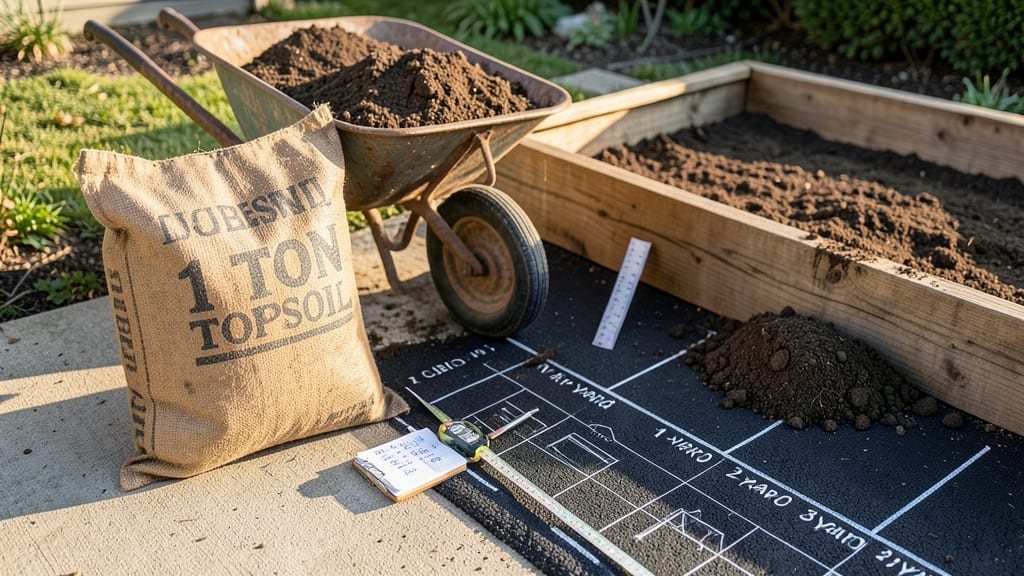
To determine how many yards of topsoil are in a ton, you'll typically find about 12 to 16 cubic yards per ton, though this varies based on moisture levels, compaction, and soil composition—drier, looser soil expands more than dense, wet soil. Always check with your supplier for exact measurements.
Understanding this conversion is crucial for gardeners and landscapers because soil weight and volume don't align perfectly. 🌱 A ton measures weight, while cubic yards measure space—so factors like organic matter and regional clay content can shift your actual yield.
For example, sandy topsoil might give you closer to 16 cubic yards per ton, while heavy clay could drop you to just 10. I always recommend overestimating by 10% when ordering bulk soil to account for these natural variations.
This weight-to-volume ratio becomes especially important when planning large projects like raised garden beds or lawn renovations. A common mistake is calculating based on surface area alone without factoring in the depth of soil needed—most projects require 3 to 6 inches of topsoil for optimal plant growth.
Using a simple formula (length × width × depth ÷ 27) helps convert square footage to cubic yards, but remember: real-world conditions can make your actual needs differ from calculations.
💡 In This Article
- Factors Affecting Topsoil Weight-to-Volume Conversion
- Calculating Topsoil Needs for Garden Beds and Landscaping
Factors affecting topsoil weight-to-volume conversion
The weight-to-volume relationship in topsoil isn't fixed because soil behaves like a dynamic material rather than a rigid substance. Moisture content is the biggest variable—wet soil weighs more per cubic yard due to water's density (about 8.34 pounds per gallon).
For example, freshly tilled soil might contain 20-30% water, while dry, screened topsoil could drop to 10% moisture. This moisture difference alone can shift your cubic yard yield by 20-30% between identical-weight bags from different suppliers.
Organic matter plays a surprising role too. Peat-based soils or compost-amended topsoil often weigh less per cubic yard because organic materials have lower bulk density than mineral particles.
A bag labeled "premium topsoil" might contain 10-30% organic content, which can make it 15-25% lighter per cubic yard than straight mineral soil.
The texture matters too—sandy soils expand more when loose (giving 16+ cubic yards per ton), while clay-heavy soils compact tightly (sometimes 10 cubic yards per ton).
Compaction during handling creates another wild card. Soil delivered by truck gets compressed by 15-30% during transport, reducing its volume. I've seen suppliers advertise "loose cubic yards" versus "compacted cubic yards"—the difference can be 2-3 cubic yards per ton.
Even how you store it matters: Piling soil too high causes compaction at the bottom, while proper layering maintains more consistent volume. For accurate planning, always ask suppliers whether their measurements are for loose or compacted soil.
Regional soil composition adds another layer. Topsoil from volcanic regions (like Hawaii) often contains pumice or perlite, which makes it lighter per cubic yard. Meanwhile, glacial till soils (common in the Midwest) pack more tightly due to their mineral composition.
Even within the same state, soil from a riverbed will differ from hillside topsoil—riverbed soil tends to be 10-20% lighter because of its higher silt content and lower compaction.
Temperature also sneaks into the equation. Cold soil holds more moisture (up to 5% more by weight) because water expands when freezing, while warm soil loses moisture through evaporation. In summer months, you might get 10-15% less volume from the same ton of soil compared to winter deliveries.
This seasonal variation explains why some suppliers offer "summer blend" soils with added moisture retention agents to maintain consistent volume.
Here's the practical takeaway: When ordering topsoil, treat the 12-16 cubic yards per ton range as a starting point, not a guarantee.
For critical projects, bring a 5-gallon bucket to the supplier's yard—fill it with soil from different areas of their stockpile, weigh it, and calculate the actual cubic yards per pound. This DIY test often reveals surprises that save you from running short mid-project. 💫