
Light Requirements
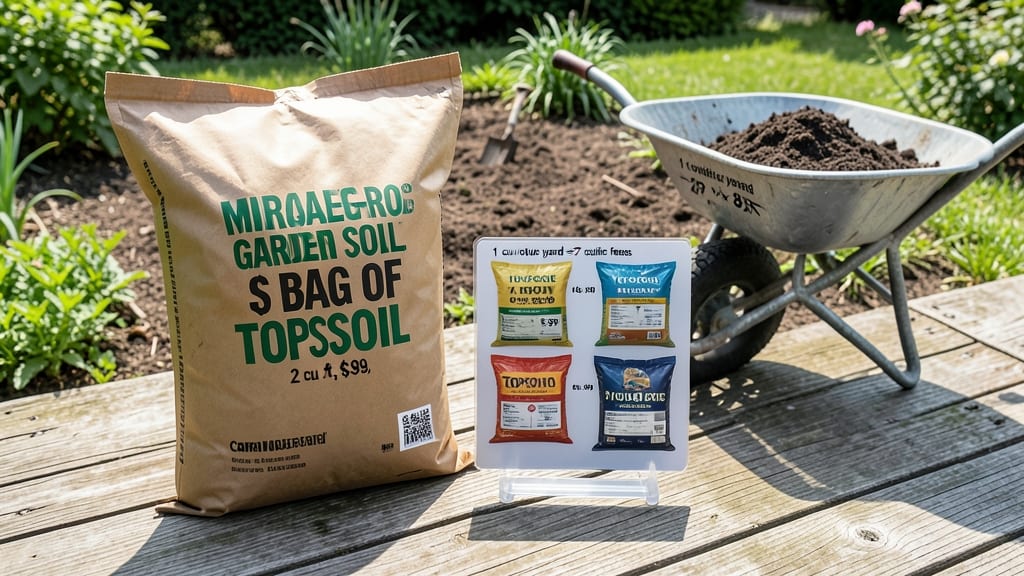
Buying a bag of topsoil costs between $1.50 and $5 per cubic foot, or $10 to $30 per 40-pound bag, depending on soil type and where you shop. Bulk purchases cut costs for big projects, while premium blends may command higher prices.
Topsoil pricing varies wildly because of what's in the bag and where it comes from. 💰 The cheapest options—often sandy or clay-heavy—run under $2 per cubic foot, while compost-enriched mixes can hit $7 or more.
Regional differences matter too: urban areas with high demand (like Los Angeles or Chicago) charge 20-30% more than rural suppliers. I've seen local quarries offer 50-pound bulk bags for $8-$12—a steal if you're filling raised beds or repairing lawns.
For budget-conscious gardeners, timing and sourcing make all the difference. Spring and summer see price spikes, but fall often brings discounts as suppliers clear inventory. Pro tip: Call ahead to compare—some big-box stores mark up topsoil by 30% over local nurseries.
If you're mixing your own, combine 1 part compost with 2 parts garden soil to stretch your budget without sacrificing quality.
💡 In This Article
- Factors Influencing Topsoil Pricing Variations
- Best Ways to Buy Topsoil for Budget-Friendly Gardening
Factors influencing topsoil pricing variations
The composition of topsoil plays a huge role in determining cost. Sandy topsoil, which drains quickly but lacks nutrients, typically costs $1.50-$3 per cubic foot because it requires minimal processing.
In contrast, compost-enriched blends with 20-30% organic matter can reach $6-$8 per cubic foot due to the extra work of mixing in compost, worm castings, and microbial cultures.
The texture also matters—clay-heavy soil is often cheaper ($2-$4 per cubic foot) but harder to work with, while loamy mixes (ideal for gardens) command premium pricing.
Location creates dramatic price swings due to transportation costs. Urban centers like New York or San Francisco may charge 40-50% more than rural suppliers because of delivery fees. For example, a 40-pound bag might cost $15 in the city but only $10 in the suburbs.
Local quarries often undercut big-box stores by 15-25% because they skip middlemen. I've seen bulk deliveries (10+ cubic yards) drop prices to $10-$15 per cubic yard—a game-changer for landscaping projects.
Supplier type directly impacts your wallet. Big-box stores like Home Depot or Lowe's mark up topsoil by 20-30% to cover overhead, while specialty nurseries offer higher-quality blends at competitive rates. Online retailers sometimes undercut local prices but add $50-$100 shipping for heavy bags.
The best deals often come from local quarries or agricultural supply stores, where you can buy directly from the source and avoid markup chains.
Seasonal demand creates predictable price fluctuations. Spring and summer see 20-30% premiums as gardeners stock up for planting, while fall and winter often bring discounts as suppliers clear inventory. For instance, a 50-pound bag might jump from $12 in October to $15 in May.
Timing your purchase can save hundreds on large projects like lawn restoration or vegetable garden expansion.
Certifications and additives push prices higher. Organic-certified topsoil (free of synthetic chemicals) can cost $8-$12 per cubic foot, while blends with mycorrhizal fungi or biochar may reach $10-$15 per cubic foot.
These premium options are worth it for high-value crops like tomatoes or berries, where soil health directly impacts yield. However, for basic landscaping, standard blends offer excellent value without the extra cost.
Consider this real-world example: A 10-cubic-foot bag of standard topsoil might cost $25 at a big-box store but only $18 at a local quarry. For a 100-square-foot garden (requiring ~3 cubic yards or 30 bags), that's a $700 vs. $540 difference.
The savings add up quickly for larger projects, making supplier choice a critical factor in budget planning.
What most people overlook is how moisture content affects pricing. "Screened" topsoil (processed to remove rocks and debris) costs more but compacts better. Unscreened blends are cheaper but may contain 10-20% rocks or clay lumps, requiring extra effort to amend.
Weigh these trade-offs against your project needs—sometimes paying a little more upfront saves time and frustration later.