
Neem Oil
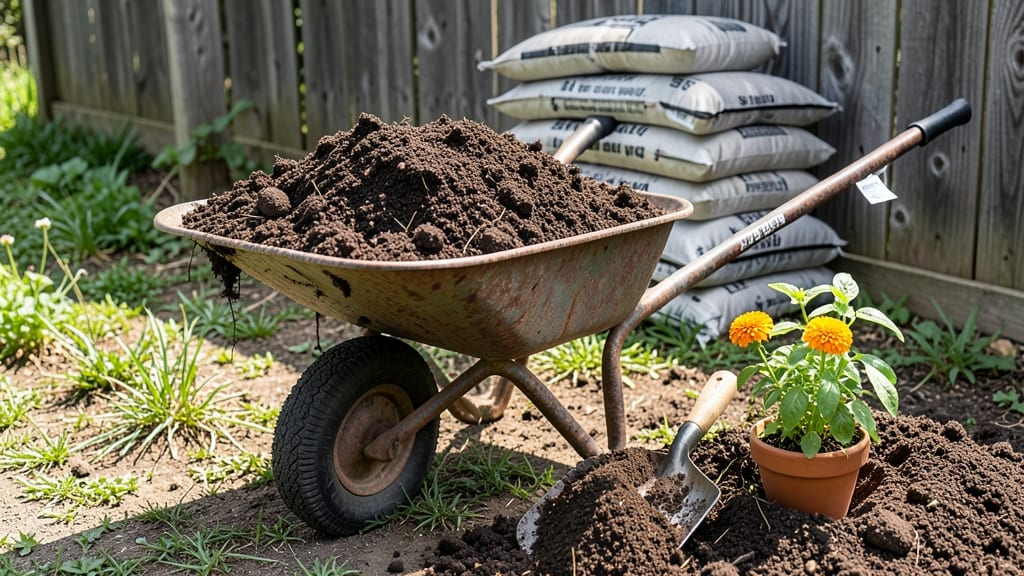
The cost for a cubic yard of soil typically ranges from $10 to $50, with topsoil averaging $10–$25 and specialty blends like clay or compost-mixed soil reaching $30–$50. Your final price depends on local suppliers, bulk purchase options, and whether you factor in delivery fees.
The price you pay for soil by the yard reflects more than just the type—it’s shaped by what’s in it. Topsoil, packed with organic matter, costs less because it’s abundant, while amended blends (like those with compost or sand) cost more due to processing and added nutrients.
Regional differences also play a huge role: suppliers near quarries or farms often charge less than urban centers where transportation adds to the cost. 💰 For example, a bagged mix might seem cheaper upfront, but buying in bulk—especially from landscaping suppliers—can cut costs significantly per cubic yard.
What’s interesting is how seasonal demand affects pricing too. Spring and summer see spikes in soil sales for gardening projects, while winter often means better deals. If you’re planning a large project, timing your purchase and comparing quotes from multiple suppliers can save you hundreds.
I’ve found that calling ahead to ask about bulk discounts or delivery fees (some waive them for orders over 10 yards) makes a real difference in the bottom line.
💡 In This Article
- Factors Affecting Soil Pricing by Type and Region
- How to Get the Best Deal on Bulk Soil Purchases
Factors affecting soil pricing by type and region
The price you see for soil per cubic yard isn’t random—it’s directly tied to what’s inside that yard. Topsoil, the most common type, costs $10–$25 because it’s naturally abundant and requires minimal processing.
Think of it like the basic ingredient: it’s rich in organic matter (typically 5–10% by weight) from decomposed plants and microorganisms, but it’s not "enhanced." The darker the soil, the higher the organic content—and the more valuable it is for gardens and lawns.
Specialty soils tell a different story. Clay-heavy mixes (used for brick-making or drainage projects) can cost $30–$50 because they require screening and blending. Compost-amended soils (often 30–50% compost) are pricier too—composting takes time and space, and the finished product must meet strict quality standards.
Even sand or gravel mixes (used for foundations) cost more than topsoil because they’re mined and processed into specific gradations. The key difference? Processing complexity and the end-use value.
Location changes everything. Suppliers near quarries or farmland (like those in rural Pennsylvania or Iowa) can offer topsoil for $8–$15/yard because transportation costs are low. But in cities like Los Angeles or New York, you might pay $25–$40 due to higher labor and fuel costs.
Even within a region, prices fluctuate: spring and summer demand drives up costs by 20–30% as homeowners rush to plant gardens, while winter sales often drop $2–$5/yard. This seasonal swing is why timing your purchase matters—just like buying lumber in January instead of July.
Moisture content also sneaks into pricing. Wet soil (common after rain) can weigh 20–30% more than dry soil, meaning you’re paying for water—not dirt. Some suppliers charge extra for "dry" soil or offer discounts for "as-is" moisture levels.
For example, a cubic yard of wet topsoil might feel like 1.25 yards of dry material—so if you’re calculating for a project, ask upfront. This hidden variable can add $5–$15 to your total without you realizing it.
One often-overlooked factor is soil testing and certification. Organic soils (like those certified for USDA organic gardening) undergo rigorous testing for contaminants and nutrient levels, adding $5–$15/yard to the cost.
Even "regular" topsoil can vary wildly: a bag of "garden soil" from a big-box store might cost $3–$5/bag, but that same soil in bulk loses 70–80% of its per-unit cost. The lesson? Bulk always wins—but only if you know what you’re buying.
Finally, consider the hidden costs of delivery. A supplier might quote $15/yard for soil, but add $50–$150 for delivery—especially if you’re in a suburban area with narrow streets. Some companies offer "dump-and-go" service (you unload), while others include loading.
For large projects (10+ yards), these fees can swing your total by $200–$500. Always ask: "Is the quoted price FOB (Free On Board) or delivered?"—this single question can save you headaches later.