Light Requirements
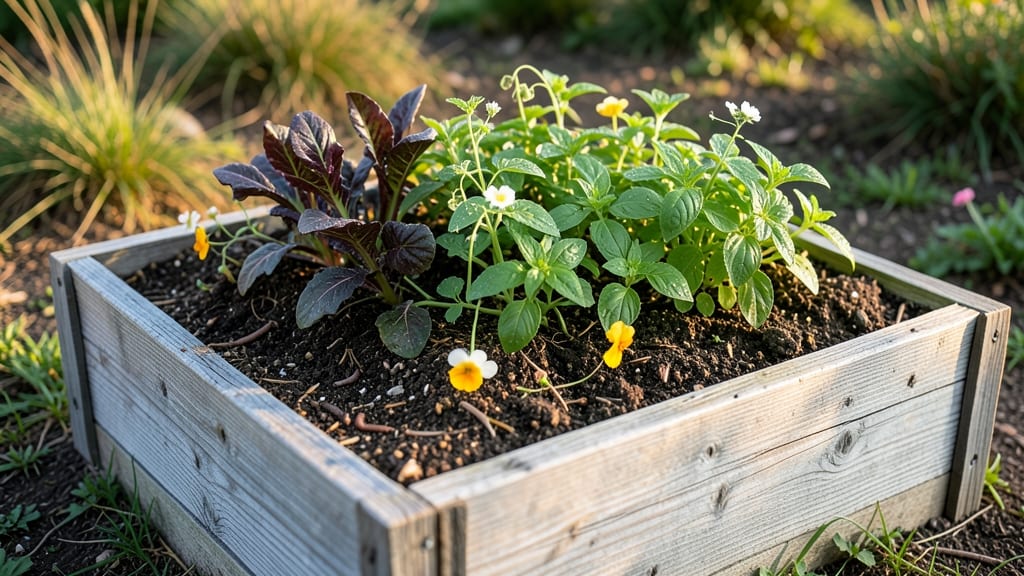
To fill a raised garden bed with the right amount of soil means giving your plants the perfect foundation 🌱—deep enough for roots to stretch, light enough to drain, and rich enough to feed them all season.
Picture this: you’ve built your bed, but now you’re staring at a bag of soil wondering, how much is enough? Too little, and your tomatoes won’t grow; too much, and you’ve wasted money and space. The answer isn’t one-size-fits-all—it depends on what you’re planting.
Most vegetables need 6–12 inches of loose, well-draining soil, while shallow-rooted herbs can thrive in just 4–6 inches. Below, I break down the exact depths for every type of plant, plus how to calculate soil volume for your bed’s dimensions.
You’ll also learn the 3 biggest mistakes gardeners make when filling their beds—and how to avoid them. By the end, you’ll have a soil mix that’s just right for your garden’s needs.
Raised garden bed soil depth requirements by plant type: the science behind root space
When setting up your raised garden bed, soil depth isn’t just about filling space—it’s about giving plant roots the room they need to thrive. Shallow-rooted plants like lettuce and herbs only need 6-8 inches of soil, while deep-rooted crops such as tomatoes and carrots require 12-18 inches.
Understanding these needs ensures your plants grow strong and healthy, maximizing your harvest.
The key to success lies in matching your soil depth to the plant’s natural root structure. For example, radishes and green onions are happy with just 6 inches, while asparagus and artichokes demand 18+ inches to reach their full potential.
Ignoring these requirements can lead to stunted growth or poor yields, no matter how much care you provide.
Here’s the science: Root systems need both oxygen and nutrients to expand. Shallow beds restrict deep-rooted plants, forcing them to compete for resources near the surface.
Meanwhile, deep beds prevent soil compaction and improve drainage, which is critical for plants like potatoes and sweet potatoes that thrive in loose, airy soil.
Let’s break it down by plant category. Whether you’re growing vegetables, herbs, fruits, or flowers, the right soil depth makes all the difference in how well your garden performs. Below, you’ll find a plant-by-plant guide to help you plan your raised bed layout for optimal growth.
For shallow-rooted plants like lettuce or herbs, a 6-inch soil layer is perfect. These plants mature quickly and don’t need deep soil to thrive. However, if you’re growing deep-rooted vegetables such as tomatoes or potatoes, aim for 12–18 inches of soil.
This depth allows roots to spread outward and downward, accessing nutrients and water efficiently.
One common mistake is assuming all plants need the same depth. Overfilling your raised bed with excess soil can lead to poor drainage and compacted soil, while underfilling restricts root growth.
For example, carrots grown in only 8 inches of soil will fork (split) because their roots can’t grow straight down. Always match your soil depth to the plant’s needs.
If you’re growing a mix of plants, consider dividing your raised bed into sections with different soil depths. For instance, dedicate one side to leafy greens (6–8 inches) and another to tomatoes (12–18 inches).
This way, you optimize space and ensure every plant gets the ideal growing conditions. Layering your soil with compost and organic matter also improves fertility and drainage.
Pro tip: If your raised bed is less than 12 inches deep, focus on fast-growing crops like radishes, lettuce, or bush beans. For deeper beds, you can grow a wider variety, including squash, corn, or even small fruit trees
How to calculate soil volume for your raised bed: step-by-step formula
Calculating the exact soil volume for your raised bed ensures you buy just enough—no wasted bags or compromised plant growth. The formula is simple: multiply your bed’s length, width, and depth in feet, then adjust for layers like compost or drainage.
Let’s break it down with a real-world example to avoid common pitfalls.
Start by measuring your bed’s interior dimensions (not the frame). For instance, a 4-foot-wide by 8-foot-long bed with 12-inch-high sides needs precise calculations. Depth matters most—most vegetables thrive in 6–12 inches of loose soil, while deep-rooted plants like asparagus need 18+ inches.
Always account for settlement (soil compacts over time).
- 1 Measure your bed’s length × width × depth in feet (e.g., 8’ × 4’ × 1’ = 32 cubic feet).
- 2 Subtract any existing soil or drainage layers (e.g., 2" of gravel = 0.17 cubic feet per sqft).
- 3 Add 10–20% extra for settlement (soil compresses over time). Example: 32 × 1.1 = 35.2 cubic feet.
- 4 Divide by bag size (e.g., 2 cubic feet/bag → 35.2 ÷ 2 = 18 bags).
- 5 Layer smartly: Bottom (gravel/drainage), middle (compost), top (topsoil). Adjust ratios based on plant needs.
For a customizable calculator, use this template: multiply your bed’s dimensions (in feet) by 7.48 to convert to gallons, then adjust for layers. Pro tip: Loose soil settles—add 20% more volume if your bed is new.
For example, a 4’ × 8’ bed with 12" depth needs ~35 cubic feet of soil after accounting for settlement.
Skip the guesswork by layering strategically. Use 20% compost in the middle layer for nutrients, then top with 60% topsoil and 20% perlite/sand for drainage. This mix works for most vegetables but adjust for heavy clay soils (add more sand) or sandy soils (add more compost).
Always test your soil’s drainage—poke a hole with a trowel; if water pools after 30 minutes, add sand.
Common mistakes? Overfilling restricts root growth, while underestimating depth leads to poor yields. For deep-rooted plants like tomatoes or carrots, aim for 18+ inches of soil. Use a soil probe to check depth before planting. And remember: bulk soil settles, so always round up when calculating.
Now you’re ready to fill your bed like a pro! Grab a tape measure, crunch the numbers, and watch your plants thrive in their perfectly proportioned home. Happy gardening! 🌱