
How To
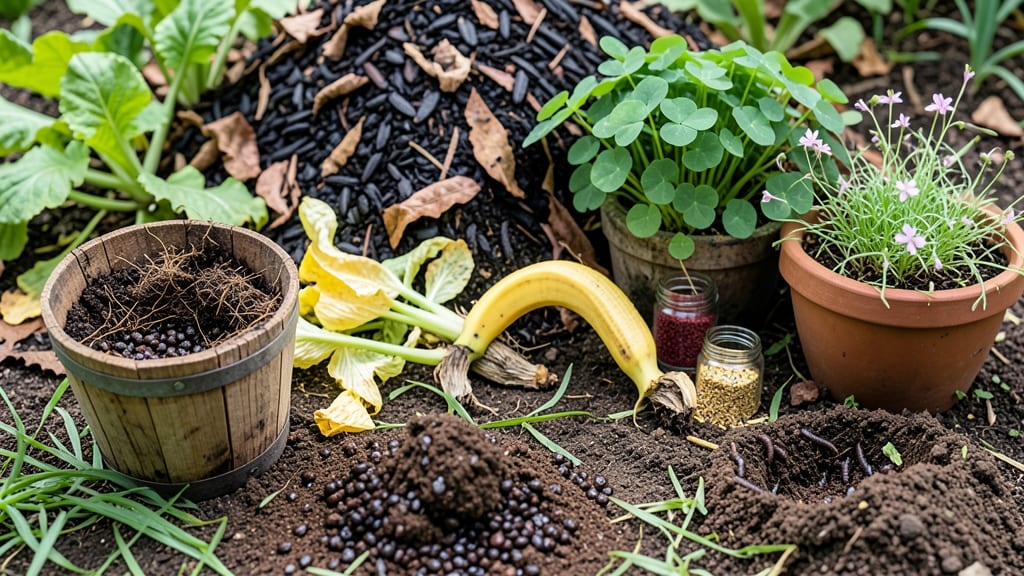
Adding nitrogen to soil naturally transforms your garden from struggling to thriving. 🌱 My first attempt with store-bought fertilizer failed spectacularly—until I switched to organic methods that actually worked. The difference? Plants with deep green leaves, faster growth, and fewer pests, all without chemical shortcuts.
You don’t need fancy tools—just a few simple ingredients like compost, coffee grounds, or clover cover crops. These methods work year-round, whether you’re prepping spring beds or reviving tired summer soil. The key is timing: apply nitrogen-rich amendments in early spring or after harvesting heavy feeders like tomatoes.
Expect lush foliage within weeks, not months. My tomato plants went from leggy to producing bushels after just one application of composted manure. The best part? These methods improve soil structure long-term, so your garden keeps getting better every year.
Perfect for vegetable gardens, lawns, or even houseplants. Let’s get your soil working smarter, not harder—naturally.
📚 In This Guide
- What you need
- Instructions
- Tips and common mistakes
- Wrapping up and next steps
What you need
- ● Compost: 2–3 inches (5–7.5 cm) spread evenly over garden beds or mixed into soil (homemade or store-bought).
- ● Green Manure Crops (e.g., clover, alfalfa, or vetch): 1–2 pounds of seeds per 100 sq. ft. (plant in fall or early spring).
- ● Manure (cow, horse, chicken, or rabbit): Well-aged (6+ months) at a rate of 1–2 cubic yards per 100 sq. ft. (Avoid fresh manure—it can burn plants!)
- ● Leaf Mold or Grass Clippings: 1–2 inches (2.5–5 cm) as mulch (shredded leaves or dried grass).
- ○ Wood Ash (optional but helpful for acidic soils): 1–2 cups per 10 sq. ft. (use sparingly—test soil pH first!).
- ● Water: Hose or watering can for hydration (1–2 gallons per application).
- ● Garden Gloves: Heavy-duty to protect hands from sharp materials (e.g., wood ash or compost chunks).
- ● Garden Fork or Shovel: For mixing materials into soil (6–12 inches deep for best results).
- ● Rake: To spread compost, mulch, or green manure evenly.
- ○ Soil pH Test Kit (optional but recommended): To check nitrogen needs and avoid over-application.
- ● Sunlight & Time: 4–6 weeks for compost/manure to decompose fully (or overnight for quick mulching).
- ● 💡 Layering is key: Alternate nitrogen-rich greens (grass clippings) with carbon-rich browns (leaves) in compost piles for faster breakdown.
- ● 🌡️ Timing matters: Add green manure crops in early fall—they’ll decompose over winter, releasing nitrogen in spring!
- ● ✨ Avoid these mistakes: Never use untreated animal waste (e.g., dog/cat feces) or diseased plant matter.
Step-by-step guide to boosting soil nitrogen naturally
Here's how I transform my garden soil into a nitrogen-rich powerhouse without synthetic shortcuts.
🌱 Step 1: Choose Your Nitrogen Source Based on Plant Needs
Start by matching your nitrogen source to your plants' current growth stage. For leafy greens or newly planted perennials, I use fresh grass clippings or alfalfa meal—both release nitrogen quickly. For long-term soil building, composted manure (especially from herbivores like cows or rabbits) or cover crops like clover work best.
Spread 1-2 inches of fresh grass clippings directly around plants, but avoid piling them thickly—this creates anaerobic pockets that smell bad and burn roots. For manure, always compost it first unless labeled "aged." I test my soil every spring to know exactly what it needs—most garden centers offer simple at-home kits.
🌿 Step 2: Incorporate Green Manure or Cover Crops
Plant fast-growing cover crops like buckwheat, winter rye, or crimson clover in empty beds during off-seasons. These plants fix nitrogen from the air into the soil through their roots. When they reach 6-12 inches tall, chop them down and let them decompose where they fall—this process is called "green manuring."
For existing gardens, I till in alfalfa meal at 20 pounds per 100 square feet in early spring. This releases nitrogen slowly over 2-3 months, perfect for tomatoes and peppers. Water the area thoroughly after application to activate microbial breakdown. You'll notice leaves darkening to a richer green within 2-3 weeks—that's your nitrogen boost working.
⏰ Step 3: Apply Organic Amendments at the Right Time
Timing matters more than you'd think. For spring planting, I work in composted manure or blood meal (a fast-acting nitrogen source) 4-6 weeks before setting out seedlings. Blood meal releases nitrogen aggressively—use sparingly (1 tablespoon per plant). For fall prep, I focus on cover crops or leaf mold (shredded fallen leaves composted for 6 months).
Here's my foolproof schedule: Spring (manure/compost), Summer (alfalfa meal or grass clippings), Fall (cover crops). Avoid adding nitrogen-rich amendments in late summer—it encourages tender new growth that won't survive frost. Instead, I switch to potassium-rich amendments like wood ash to harden plants off.
💧 Step 4: Maintain Soil Health for Long-Term Nitrogen Retention
Nitrogen works best in well-aerated, moist soil. After adding amendments, I water deeply to help microbes break them down. Use a soil probe to check moisture—it should feel like a damp sponge, not soggy. I also mulch heavily with straw or shredded leaves to prevent nitrogen loss through evaporation and erosion.
Rotate crops annually to prevent nitrogen depletion. Heavy feeders like corn and squash should follow legumes (peas, beans) in your planting plan. Legumes actually add nitrogen to the soil through their root nodules, creating a natural cycle. I keep a garden journal to track which beds need nitrogen and which are nitrogen-rich—this prevents over-amending and waste.
☀️ Step 5: Monitor and Adjust Based on Plant Signals
Watch your plants for visual cues. Yellowing leaves (especially older ones) signal nitrogen deficiency, while dark green, glossy leaves mean your soil is nitrogen-sufficient. Overdoing nitrogen causes pale, soft growth that's prone to pests. If you see excessive leafy growth with few flowers/fruit, cut back on nitrogen and add phosphorus (bone meal) instead.
I conduct a simple leaf test every month: Rub a leaf between my fingers. If it feels slimy, nitrogen levels are high. If it feels dry and papery, add more nitrogen. Adjust your amendments based on these observations—soil tests are great, but plants tell you what they need in real time.
Tips & tricks for boosting soil nitrogen without synthetics
Real talk: The devil's in the details when it comes to nitrogen—too much or too little throws everything off. Here's what nobody tells you about getting it right.
Layer Your Amendments: I've learned this the hard way after ruining three batches of compost by overloading with fresh manure. The key is layering: combine alfalfa meal (20 pounds per 100 sq ft) with composted manure in a 2:1 ratio for steady nitrogen release. The alfalfa provides quick access while manure builds long-term reserves. Think of it like a savings account—you want both liquid assets and long-term investments.
Seasonal Timing Secret: That 4-6 week window before spring planting isn't just arbitrary—it's when soil microbes wake up from winter dormancy. I mark my calendar to add amendments in early March, right when forsythia blooms. For late summer, I switch to leaf mold (6-month composted leaves) because it releases nitrogen slowly without encouraging frost-sensitive growth. This prevents that sad, leggy plant syndrome when fall hits.
Visual Cues Over Guesswork: Forget soil tests for quick checks—your plants already tell you everything. I train my eye to spot three key signs: (1) Yellowing older leaves = deficiency (2) Dark, glossy new growth = perfect balance (3) Soft, pale stems = overfeeding. The leaf test I do monthly (rubbing between fingers) is my go-to—it's faster than any lab result and costs nothing. You'll notice the difference in just 7-10 days after adjustment.
Mulch Like a Pro: Heavy mulching isn't just about moisture retention—it's your nitrogen insurance policy. I use straw mulch (3-4 inches thick) because it breaks down slowly while preventing evaporation. The secret? Apply it after watering amendments so nutrients don't get locked out. For existing gardens, I top-dress with composted grass clippings in late summer—they add nitrogen while suppressing weeds.
Pro Tips for Add Nitrogen To Soil Naturally
- Real talk: The devil's in the details when it comes to nitrogen—too much or too little throws everything off.
- Layer Your Amendments: I've learned this the hard way after ruining three batches of compost by overloading with fresh manure.
- Seasonal Timing Secret: That 4-6 week window before spring planting isn't just arbitrary—it's when soil microbes wake up from winter dormancy.
Frequently asked questions
Got questions about boosting your soil’s nitrogen naturally? Here are answers to the most common ones—plus practical tips to keep your plants thriving!
How long does it take for natural nitrogen sources to work?
Most organic nitrogen sources (like compost or manure) take 2–6 weeks to break down and become plant-available. Fast-acting options like blood meal or alfalfa meal show results in 1–2 weeks. Patience pays off—consistent application yields the best long-term results!
Can I add nitrogen to soil in winter?
Winter is a great time to prep your soil. Use slow-release methods like compost, cover crops (e.g., winter rye), or aged manure. Avoid fresh organic matter (like grass clippings), as it can deplete oxygen in cold soil. Mulch heavily to protect your nitrogen boosters!
What if my plants show nitrogen deficiency after adding organic matter?
Deficiencies can happen if the nitrogen isn’t readily available. Try a quick fix with liquid nitrogen (like fish emulsion) or fast-acting sources like coffee grounds. Check soil pH too—ideal range is 6.0–7.0. If the problem persists, test your soil for microbial activity or nutrient locks.
Are there free ways to add nitrogen to soil?
Yes! Skip the store-bought options with these zero-cost boosters:
- Compost tea: Steep compost in water for 24–48 hours, then strain and use as a foliar spray.
- Plant clippings: Chop up nitrogen-rich plants like comfrey or legumes (e.g., alfalfa) and mulch them in.
- Eggshells: Crush and bury them—they add trace minerals and encourage microbial activity.
- Weeds (in moderation): Dandelions and plantain are nitrogen accumulators. Till them in before they seed.
Will adding nitrogen harm beneficial microbes in my soil?
Not if done right! Too much synthetic nitrogen can disrupt microbes, but organic sources (like compost or worm castings) feed them instead. Aim for a balanced approach: Pair nitrogen with phosphorus (bone meal) and potassium (wood ash) for microbial health. Avoid over-fertilizing—less is often more!
Wrapping up and next steps
Adding nitrogen to your soil naturally doesn’t have to be complicated—just simple, sustainable, and rewarding! 🌱 From composting kitchen scraps to planting nitrogen-fixing cover crops, these methods work year-round to boost your garden’s health.
Start small, experiment with what works best for your space, and watch your plants thrive with vibrant growth and lush greenery.
Ready to take the next step? Pick one method from this guide and try it this week! Your future harvests will thank you—happy gardening! 🌿